

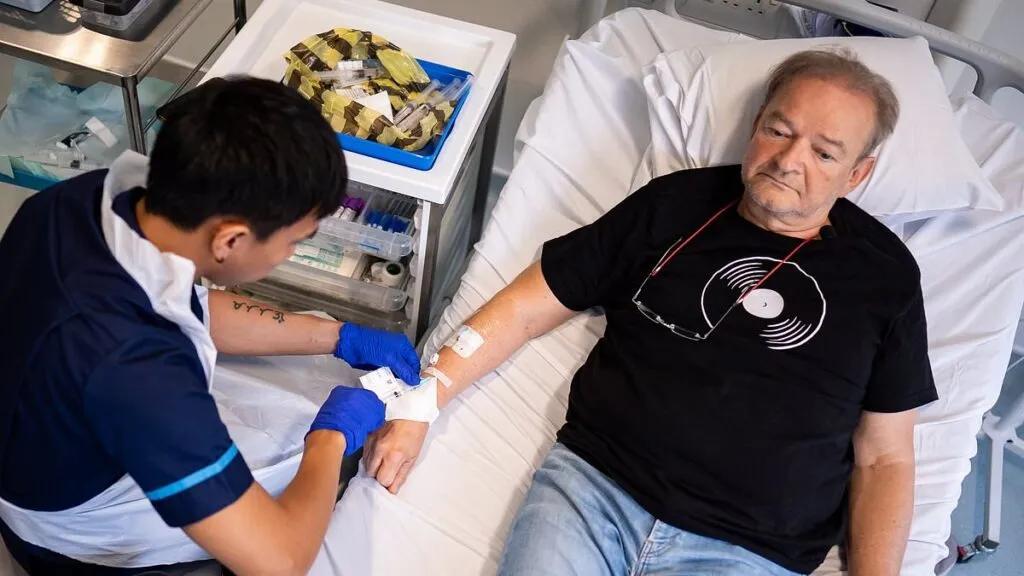
A Blood Test At Home offers a convenient way to complete recommended medical investigations without travelling to a laboratory. However, convenience is only valuable when the testing process follows appropriate medical and laboratory standards. Patients often wonder whether samples collected at home can produce results as reliable as those collected at a medical facility. In most cases, home collection can provide dependable results when trained professionals collect the sample correctly and the laboratory follows proper procedures for processing and analysis.
The Importance of Professional Medical Support
Reliable testing begins with choosing the right investigation and understanding why it is needed. Doctor At Home In Dubai services may help patients access medical guidance in a familiar setting, depending on the provider's available services. A qualified healthcare professional can assess symptoms, review medical history, and recommend appropriate laboratory investigations when necessary.
How Blood Test Accuracy Is Maintained at Home
The accuracy of a blood test depends on several factors, including patient preparation, collection technique, sample handling, laboratory equipment, and the method used to analyse the sample. Collecting blood at home does not automatically make a test less accurate. The important factor is whether the entire process follows suitable clinical and laboratory procedures.
A trained phlebotomist should confirm the patient's identity, verify the requested tests, use appropriate collection equipment, and label the sample correctly. The collected blood must then be stored and transported according to the requirements of the specific test.
Some samples need prompt processing or temperature-controlled transport. If these requirements are not followed, the sample may become unsuitable for analysis or produce unreliable findings. Reputable providers should have procedures in place to minimise these risks.
Factors That Can Affect Blood Test Results
Several factors can influence laboratory findings even when blood is collected professionally. Eating before a test that requires fasting, dehydration, recent strenuous exercise, certain medicines, and acute illness may affect some measurements.
For example, food intake can influence certain glucose and lipid measurements, while dehydration may affect the concentration of some blood components. Exercise can temporarily change selected laboratory markers, depending on its intensity and the test being performed.
This is why patients should follow the instructions provided by their healthcare professional or laboratory. If you accidentally eat before a fasting test or do not follow another preparation instruction, inform the healthcare team rather than hiding the information. They can decide whether the sample can still be collected or whether the appointment should be rescheduled.
Are Home Blood Tests as Reliable as Laboratory Visits?
Home blood collection and laboratory-based collection can both produce reliable results when appropriate procedures are followed. In many cases, the sample collected at home is transported to a laboratory for analysis using the same types of testing methods used for samples collected at the facility.
However, not every test is suitable for every collection arrangement. Some investigations require specialised equipment, immediate processing, or a specific collection environment. Certain point-of-care tests also use different devices and procedures from conventional laboratory testing.
Before booking, confirm that the provider offers the particular test you need and uses an appropriate laboratory. If your doctor has requested a specialised investigation, ask whether home collection is suitable.
The Role of Trained Professionals in Sample Collection
Professional sample collection is essential for reducing avoidable errors. A trained healthcare worker understands how to select an appropriate collection site, use the correct equipment, and follow infection-prevention procedures.
Correct labelling is equally important. The sample must be matched to the correct patient and requested investigation so that results are not assigned to the wrong record. Collection staff should also follow procedures for handling sharps and disposing of used equipment safely.
If you are choosing a home testing provider, ask about staff qualifications, sample transportation, laboratory arrangements, and how results are delivered. Clear answers can help you make a more informed decision.
Common Blood Tests Available Through Home Collection
Depending on the provider and the clinical requirements, home sample collection may be available for several routine investigations. A complete blood count can measure different types of blood cells and may help investigate certain symptoms or medical conditions.
Blood glucose and HbA1c tests can help assess glucose levels or monitor diabetes. A lipid profile measures cholesterol and related blood fats, while selected kidney and liver function tests provide information about organ function.
Other investigations, including thyroid function, iron studies, and vitamin levels, may also be available. The appropriate test depends on the patient's symptoms, medical history, and healthcare professional's recommendations.
Not every person needs all these tests. A clinician should help determine which investigations are useful rather than relying on broad screening without a clear reason.
How to Prepare for Accurate Results
Preparation is an important part of obtaining useful laboratory results. First, confirm whether your particular test requires fasting. Many tests do not, while others may require you to avoid food and certain drinks for a specified period.
Do not stop prescribed medication unless your healthcare professional specifically instructs you to do so. If you have diabetes or take medicines that may be affected by fasting, obtain individual guidance before changing your routine.
For many tests, drinking plain water is acceptable and may make blood collection easier. However, follow any fluid restrictions you have received for a medical reason. Tell the collection professional about relevant medicines, recent illness, and any difficulty you have experienced during previous blood draws.
Understanding Unexpected or Abnormal Results
Even a properly collected sample can produce a result outside the laboratory's reference range. This does not automatically mean that you have a disease. Reference ranges, medical history, symptoms, and other test findings all contribute to interpretation.
Some results may need confirmation through repeat testing or additional investigations. A healthcare professional can explain whether an unexpected value is significant and what steps, if any, are appropriate.
Avoid making treatment decisions based on an isolated number or comparing your report directly with someone else's results. If you experience serious symptoms, seek appropriate medical care rather than waiting for routine laboratory results.
How to Choose a Reliable Home Blood Testing Service
When selecting a provider, look for trained collection staff, appropriate hygiene practices, clear sample-handling procedures, and transparent information about the laboratory performing the analysis. The provider should explain how appointments are arranged, how results are shared, and whom you can contact if you have questions.
It is also useful to ask whether the requested test is suitable for home collection and whether any special preparation is required. If a sample is rejected or the result needs confirmation, the provider should explain the next steps.
Convenience and price are important considerations, but they should not replace appropriate clinical standards and reliable laboratory processes.
Conclusion
A Blood Test At Home can be an accurate and reliable option for many routine investigations when sample collection, labelling, transportation, and laboratory analysis follow appropriate standards. Patient preparation and communication with healthcare professionals also play important roles in producing useful results.
Before booking, check the provider's collection procedures and confirm that your required test is suitable for home sampling. Once your report is available, discuss important or unexpected findings with a qualified healthcare professional. With proper procedures and suitable medical guidance, home blood testing can make routine healthcare more accessible while supporting informed decisions about your health.