

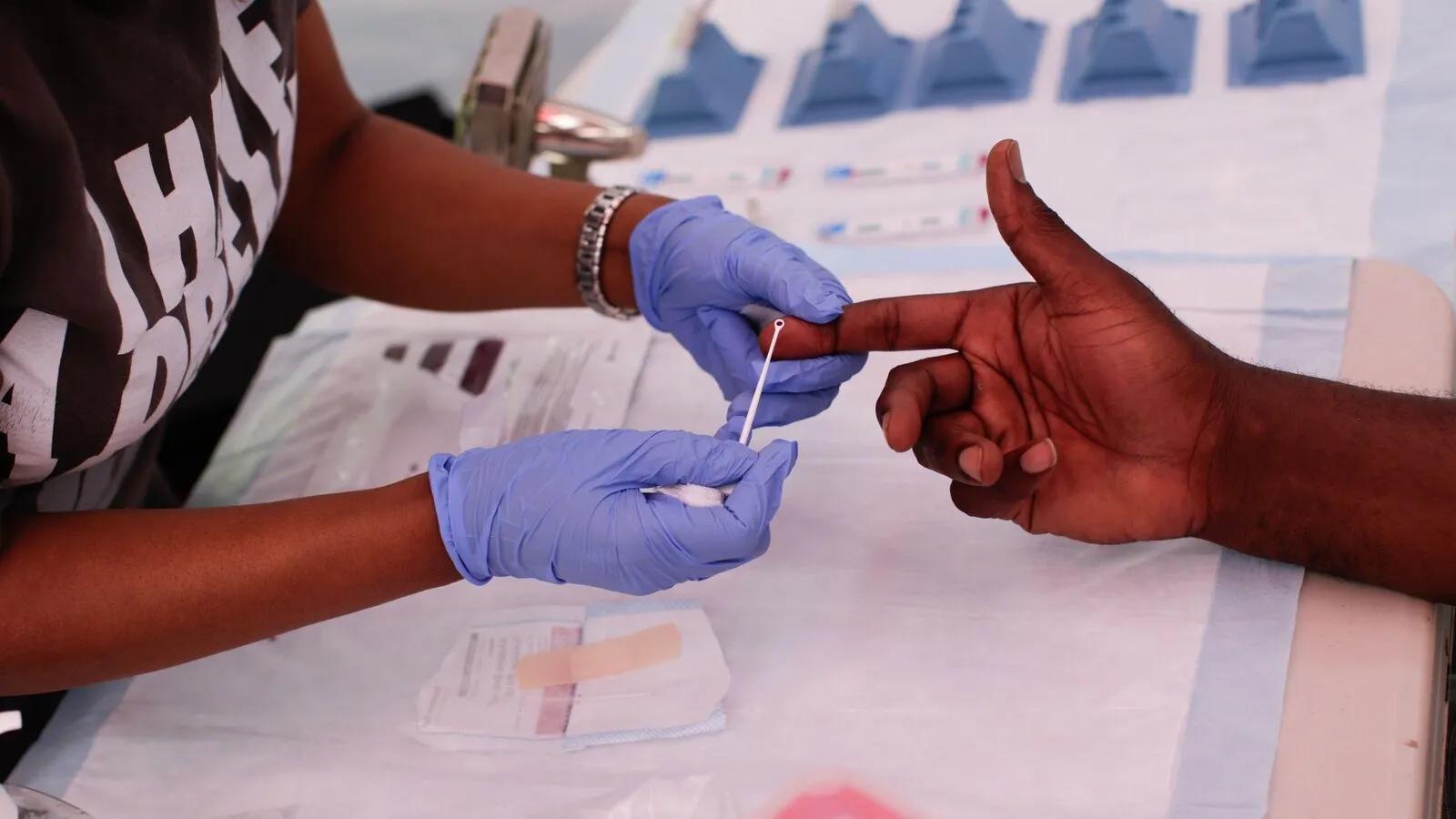
Regular health checkups can help you understand your body's condition and identify potential health concerns before they become more serious. Blood Test At Home services make routine health screening more convenient by allowing patients to have blood samples collected at home by a qualified healthcare professional. This option can be especially useful for busy individuals, older adults, and people who prefer to avoid unnecessary clinic visits.
For patients who need additional medical support, Doctor At Home In Dubai services can provide convenient access to professional healthcare at home. A doctor may assess symptoms, review medical history, recommend appropriate laboratory investigations, and explain the next steps based on the patient's individual health needs.
Why Is Routine Health Screening Important?
Routine health screening helps healthcare professionals evaluate important indicators of your overall health. Some conditions can develop gradually without noticeable symptoms, making regular medical assessments valuable even when you feel well.
Blood tests can provide information about several aspects of health, including blood cell counts, blood glucose levels, cholesterol, kidney function, liver function, and certain vitamin levels. The appropriate tests depend on your age, medical history, lifestyle, symptoms, and risk factors.
Regular testing does not guarantee that every health condition will be detected. However, when used appropriately, it can help your healthcare provider identify changes that may require further investigation or treatment.
How Blood Test At Home Supports Preventive Healthcare
Preventive healthcare focuses on maintaining good health and identifying potential problems early. With Blood Test At Home, patients can arrange sample collection without travelling to a laboratory, making it easier to follow a clinician's recommended testing schedule.
Monitoring Important Health Indicators
Blood tests can help monitor health indicators such as blood sugar, cholesterol, haemoglobin, and organ function. For example, a glucose or HbA1c test may help assess blood sugar levels, while a lipid profile can measure cholesterol and triglycerides.
These tests are particularly useful when a healthcare professional recommends monitoring due to existing medical conditions or individual risk factors. Results should always be interpreted in the context of your medical history rather than considered in isolation.
Identifying Changes Over Time
A single blood test provides information about your health at a particular moment. Comparing results from different dates may help a clinician identify patterns and evaluate whether a health marker is improving, remaining stable, or changing.
Consistent testing can be helpful for people managing long-term conditions. However, the frequency of testing should be determined by a qualified healthcare professional according to individual needs.
Common Blood Tests Used for Routine Screening
The tests included in a routine screening appointment vary from person to person. Not everyone needs the same investigations, and ordering unnecessary tests can lead to confusion or additional follow-up procedures.
Complete Blood Count
A complete blood count, commonly known as a CBC, measures different components of the blood, including red blood cells, white blood cells, haemoglobin, and platelets. It can help clinicians investigate concerns such as suspected anaemia, infection, or certain blood disorders.
Blood Glucose and HbA1c
Blood glucose testing measures the amount of sugar in the blood at a particular time. An HbA1c test estimates average blood glucose levels over approximately two to three months.
These tests may be recommended to screen for or monitor diabetes, depending on a person's medical history and risk factors. Your clinician can advise which test is suitable and whether fasting is necessary.
Lipid Profile
A lipid profile measures cholesterol and triglyceride levels. These results can help healthcare professionals assess cardiovascular risk alongside other factors, including blood pressure, smoking history, age, and family history.
Your clinician will explain whether you need a fasting sample because preparation requirements can vary according to the specific test and laboratory protocol.
Kidney and Liver Function Tests
Kidney function tests may measure markers such as creatinine and estimate how effectively the kidneys are working. Liver function tests measure substances that can provide information about liver health.
These investigations may be recommended as part of a medical assessment, for monitoring an existing condition, or when medication use and other health factors make testing appropriate.
Preparing for a Home Blood Test
Proper preparation helps ensure that your sample can be collected and processed according to the laboratory's requirements. Before your appointment, confirm the tests requested and follow the instructions provided by your healthcare professional or laboratory.
Some tests require fasting, while others do not. If fasting is required, ask how long you should avoid food and whether plain water is permitted. Do not fast unnecessarily or change your usual medication schedule without professional advice.
Keep your laboratory request and relevant medical information available. Inform the sample collector about any difficulties with previous blood draws, and mention medicines or supplements when relevant to interpreting your results.
If you are feeling unwell or have questions about whether testing should be delayed, contact your healthcare provider before the appointment.
What Happens During Blood Test At Home Collection?
A typical Blood Test At Home appointment begins with confirmation of your identity and the requested investigations. The healthcare professional should follow appropriate hygiene procedures, prepare the required collection equipment, and select a suitable site for drawing blood.
After cleaning the collection area, the professional collects the necessary sample using appropriate equipment. You may feel a brief pinch or mild discomfort, but the procedure is generally quick. A dressing is placed over the collection site afterward.
The sample is labelled and handled according to laboratory procedures before being transported or processed. Choosing a provider that uses qualified personnel and appropriate sample-handling practices is important for reliable testing.
Understanding Your Blood Test Results
Once the laboratory has processed your sample, the results are usually provided through the service's reporting process. Some reports include reference ranges to help readers understand how their values compare with those commonly expected for a particular test.
A result outside the reference range does not automatically mean you have a disease. Similarly, a result within the reference range does not always rule out a medical condition. Factors such as age, symptoms, medication, and the laboratory method can affect interpretation.
If a result is abnormal or unexpected, consult a qualified healthcare professional. Your doctor may recommend repeating the test, reviewing your symptoms, ordering additional investigations, or beginning treatment if appropriate.
How Often Should You Get Routine Blood Tests?
There is no single testing schedule that is suitable for everyone. Some people may need regular blood tests to monitor diabetes, kidney disease, cholesterol, or medication effects. Others may only need particular tests when recommended during a health assessment.
Your age, family history, lifestyle, previous results, and existing medical conditions all influence how often screening may be appropriate. Avoid arranging repeated tests without a clear medical reason, as unnecessary testing can create anxiety and lead to avoidable follow-up procedures.
A healthcare professional can help you establish a sensible screening plan based on your personal circumstances.
Choosing a Reliable Home Blood Testing Service
When selecting a home collection service, consider whether trained healthcare professionals perform the collection, whether samples are handled by an appropriate laboratory, and whether clear instructions are provided before the appointment.
It is also useful to ask how results will be delivered, what happens if a sample cannot be processed, and whom you can contact if you have questions. Transparent pricing and clear communication can make the process easier to manage.
Remember that convenience should not replace clinical guidance. A reliable service should help you complete the requested testing while ensuring that questions about symptoms and results are directed to an appropriate healthcare professional.
Conclusion
Routine health screening can be a useful part of preventive healthcare when tests are selected according to individual needs. Blood Test At Home services offer a practical way to complete recommended laboratory investigations while reducing the need to travel to a collection centre.
By preparing correctly, choosing a reliable provider, and discussing your results with a qualified healthcare professional, you can make more informed decisions about your health. The most important step is to use testing as part of a broader healthcare plan rather than relying on laboratory numbers alone.