

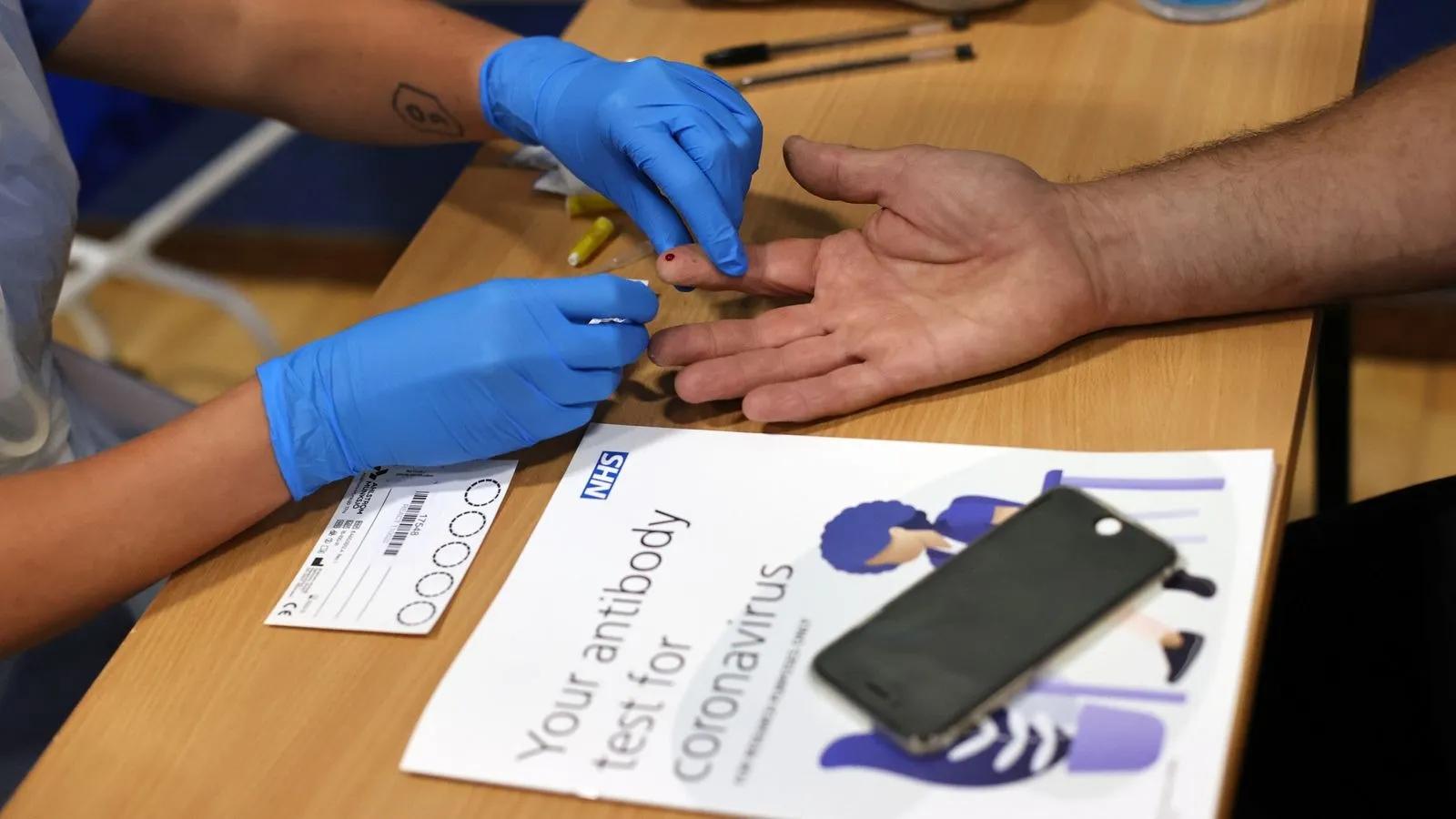
Blood Test At Home services make it easier to complete recommended laboratory tests without visiting a diagnostic centre. After a healthcare professional collects your blood sample, the laboratory analyses it and prepares a report containing measurements that may help assess different aspects of your health. Understanding how to read this report can help you ask informed questions and discuss the next steps with your healthcare provider.
People looking for convenient medical support may also explore Doctor At Home In Dubai services for professional assessments and follow-up consultations. When appropriate, a doctor can review your laboratory findings alongside your symptoms, medical history, medications, and physical examination to help explain what the results mean for your individual health.
What Information Does a Blood Test Report Contain?
A blood test report usually includes the name of each test, your measured result, the unit of measurement, and a reference range when applicable. Some reports may also identify results that fall above or below the laboratory's expected range.
The information provided depends on the type of test performed. A complete blood count measures different blood cells, a glucose test evaluates blood sugar, and a lipid profile measures cholesterol and triglycerides. Thyroid tests assess particular hormones or related markers.
Laboratories may use different testing methods and reference ranges. Therefore, when comparing reports from different facilities, it is important to check the units, methods, and ranges rather than assuming every result is directly interchangeable.
How to Understand Normal and Abnormal Blood Test Results
One of the most common questions patients ask after a Blood Test At Home appointment is whether their results are normal. The reference range printed on the report can provide useful context, but it should not be treated as a definitive diagnosis.
What Does a Normal Result Mean?
A result within the laboratory's reference range is generally consistent with the expected range for the population and method used. However, a normal result does not guarantee that every aspect of your health is normal or rule out all medical conditions.
Your symptoms, medical history, age, medications, and the reason for testing may affect how a result should be interpreted. If you continue to experience symptoms despite normal findings, discuss them with your healthcare professional.
What Does an Abnormal Result Mean?
A result marked high or low means the measurement falls outside the laboratory's stated reference range. This does not automatically mean you have a serious illness.
Some results may be affected by recent meals, hydration, physical activity, medication use, temporary illness, or normal biological variation. Other abnormalities may require further investigation, repeat testing, or treatment.
Your doctor can determine whether the finding is clinically significant by considering the complete report and your personal circumstances. Avoid starting supplements, changing medication doses, or making major treatment decisions based on a single result without appropriate medical guidance.
Common Blood Tests and What Their Results Can Show
Different blood tests provide different types of information. Knowing what a test measures can help you understand why your healthcare professional recommended it.
Complete Blood Count
A complete blood count, or CBC, measures components such as red blood cells, white blood cells, haemoglobin, and platelets. These measurements can help investigate concerns such as anaemia, infection, or certain blood disorders.
For example, a low haemoglobin result may suggest anaemia, but additional information is often needed to determine its cause. Your doctor may recommend further tests depending on the pattern of results and any symptoms you report.
Blood Glucose and HbA1c
Blood glucose testing measures sugar levels at a particular time, while HbA1c estimates average blood glucose over approximately the previous two to three months.
These tests can help screen for or monitor diabetes. The interpretation depends on the test used, preparation, clinical circumstances, and applicable diagnostic criteria. A result may need confirmation before a diagnosis is made.
Cholesterol and Lipid Profile
A lipid profile commonly measures total cholesterol, HDL cholesterol, LDL cholesterol, and triglycerides. These values help healthcare professionals assess cardiovascular risk alongside factors such as age, blood pressure, smoking, diabetes, and family history.
An individual cholesterol value should not be interpreted in isolation. Your healthcare professional can explain how the overall pattern relates to your health and whether lifestyle changes, medication, or additional assessment may be appropriate.
Thyroid Function Tests
Thyroid tests may include thyroid-stimulating hormone (TSH) and, when indicated, thyroid hormone measurements such as free T4. The results can help assess whether the thyroid gland may be underactive or overactive.
Interpretation depends on the combination of results, symptoms, medications, and medical history. An unusual value does not always establish a thyroid diagnosis by itself.
Can Home Blood Testing Provide Reliable Results?
A Blood Test At Home service can produce reliable results when a trained professional collects the sample correctly, the sample is handled and transported according to laboratory requirements, and the analysis is performed using suitable quality procedures.
The location of collection alone does not determine accuracy. Preparation errors, collection problems, delays, or inappropriate sample handling can affect some tests. Certain measurements also require specialised collection or processing arrangements.
Before booking, check that the service uses qualified collection personnel and an appropriate laboratory. Follow all preparation instructions carefully, and tell the professional about relevant concerns such as fainting during previous blood draws.
If a result appears inconsistent with your symptoms or previous reports, your healthcare professional may recommend repeating the test or conducting further investigations.
What Should You Do After Receiving Your Blood Test Report?
Start by checking that the report contains the correct patient details and the tests you expected. Review the reported values and any laboratory comments, but avoid drawing conclusions from isolated numbers.
Next, arrange a consultation if you need help understanding the findings, especially if results are abnormal or testing was ordered to investigate symptoms. Your doctor can explain which results are important, whether additional tests are necessary, and what follow-up is appropriate.
Keep copies of previous laboratory reports when possible. Comparing results over time may help your healthcare professional identify meaningful changes, although comparisons should account for differences in laboratories, methods, and testing conditions.
If the report identifies a potentially critical result, follow the laboratory's or healthcare professional's instructions promptly. If you experience severe symptoms, such as chest pain, difficulty breathing, fainting, or sudden confusion, seek emergency medical care rather than waiting for a routine appointment.
How Often Should You Get Blood Tests?
There is no single testing schedule that is appropriate for everyone. The frequency of laboratory testing depends on age, personal risk factors, symptoms, medical history, medications, and whether an existing condition needs monitoring.
Some people may require periodic tests as part of preventive care, while others may only need testing when there is a specific clinical reason. Repeating tests unnecessarily can create additional expense and lead to confusing findings that do not improve care.
Discuss a suitable schedule with your healthcare professional. This helps ensure that your testing plan is relevant to your needs and that results are reviewed at the appropriate time.
Choosing a Reliable Blood Test At Home Provider
When arranging a Blood Test At Home appointment, look for a provider that clearly explains its collection procedures, laboratory arrangements, pricing, and expected reporting time. Confirm whether the service includes both sample collection and laboratory analysis.
It is also helpful to ask how reports are delivered and whether support is available if you have questions about the process. Choose a provider that respects patient confidentiality and follows appropriate hygiene and sample-handling practices.
Convenience is valuable, but professional collection and reliable laboratory processing should remain priorities.
Conclusion
Understanding your laboratory report is an important part of managing your health. Blood Test At Home services can make testing more convenient, while the results can provide useful information about blood cells, glucose, cholesterol, thyroid function, and other health indicators.
However, reference ranges are only one part of the picture. For accurate interpretation, discuss your findings with a qualified healthcare professional who can consider your symptoms, medical history, and overall health. Combining reliable laboratory testing with appropriate medical advice helps you make better-informed decisions about your care.