

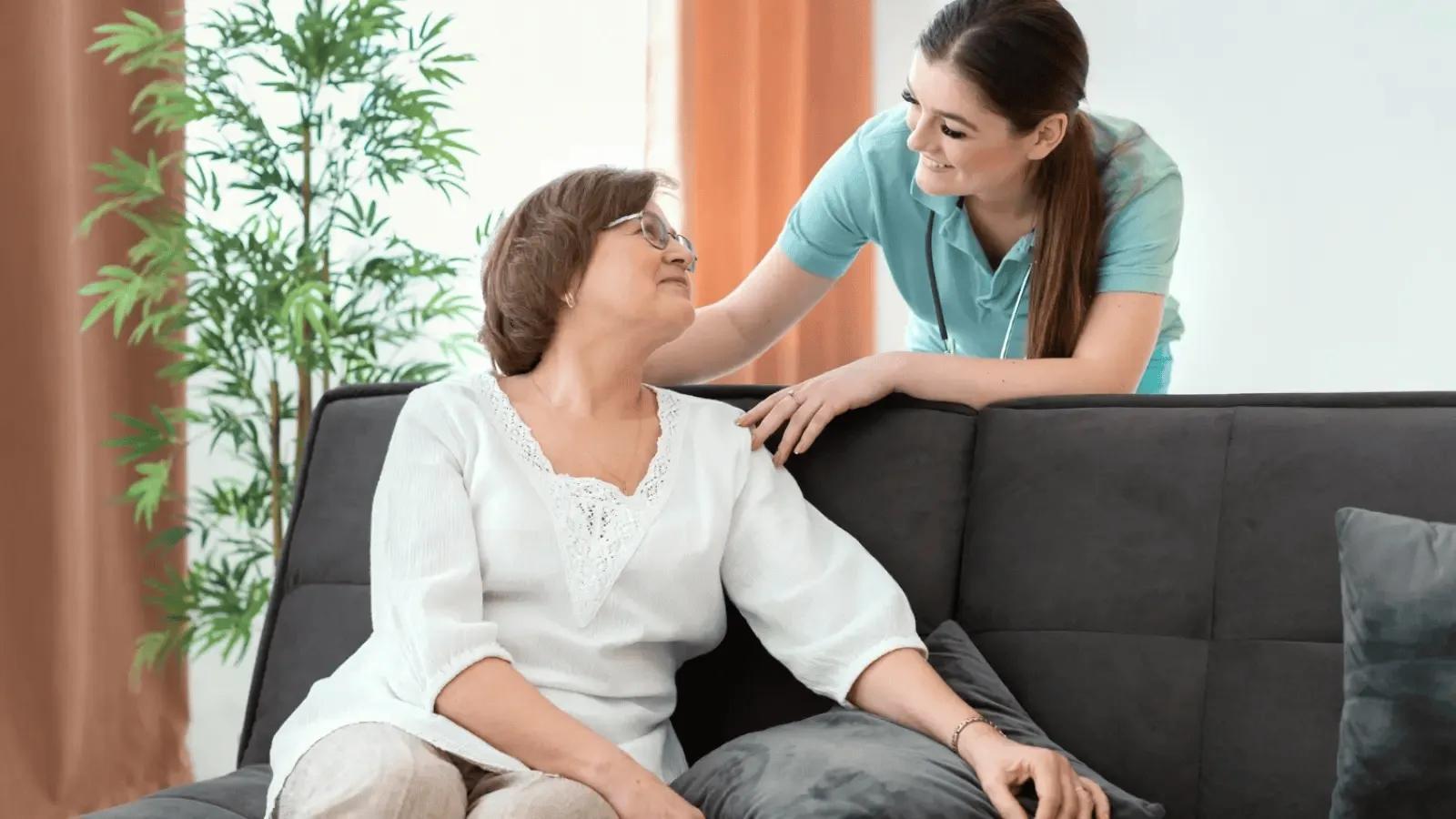
As people age, maintaining comfort, independence, and a stable daily routine can become increasingly important. Caregivers at Home can provide practical assistance that helps seniors manage everyday activities while remaining in a familiar environment. Support may include personal care, mobility assistance, companionship, meal preparation, and help with regular routines according to individual needs.
Access to Doctor at home in Dubai services can also complement home caregiving when professional medical attention is needed. Having appropriate healthcare and caregiving support available at home can help families organize assistance around the senior's daily requirements.
Why Senior Well-Being Matters
Senior well-being involves more than physical comfort. A person's daily environment, social interaction, independence, routine, and ability to make personal choices can all contribute to their overall quality of life.
Caregivers at Home can support seniors by helping with tasks that have become difficult while encouraging them to remain involved in their everyday activities. This approach can provide assistance without unnecessarily taking away independence.
A comfortable home care arrangement should be adapted to the individual's abilities, preferences, and changing needs.
Creating a Comfortable Daily Environment
A familiar home environment can provide comfort and stability. Seniors may feel more at ease when they can continue following routines in surroundings they already know.
Caregivers can help maintain a clean and organized daily environment within their responsibilities while assisting with regular activities. Keeping commonly used items accessible and maintaining clear pathways can also make everyday movement easier.
Assistance With Personal Care
Personal care can become challenging for some seniors. Activities such as bathing, dressing, grooming, eating, and other daily routines may require additional support.
Professional caregivers can assist with appropriate personal activities according to their training and responsibilities. They can provide support while respecting privacy and allowing the individual to participate as much as possible.
Caregivers at Home can make personal routines more manageable while helping seniors maintain dignity and comfort.
Encouraging Independence
Independence remains important at every stage of life. Needing assistance with certain activities does not mean a senior should lose control over their daily choices.
A caregiver can provide help while allowing the individual to complete tasks they can safely manage. Choosing clothing, selecting meals, deciding on activities, and maintaining preferred schedules are examples of areas where seniors can remain involved.
This balance can help make caregiving feel supportive rather than restrictive.
Companionship and Social Connection
Spending extended periods alone can make daily life feel less engaging for some seniors. Companionship can therefore be a meaningful part of home caregiving.
A caregiver can provide conversation and participate in suitable activities such as reading, listening to music, watching television, playing simple games, or taking a short walk when appropriate.
Making Everyday Activities More Engaging
Activities should reflect the senior's interests and abilities. Some individuals may enjoy discussing family memories, while others may prefer quiet activities or hobbies.
Understanding these preferences allows caregivers to provide companionship that feels natural and personalized.
Supporting Mobility at Home
Mobility can influence how independently a senior moves around their home. Getting out of bed, standing from a chair, walking between rooms, or using stairs may sometimes require additional assistance.
Caregivers can provide appropriate support within their training and responsibilities. Families can also help create a more accessible environment by keeping walkways clear and ensuring frequently used areas are easy to navigate.
Any significant changes in mobility should be discussed with an appropriate healthcare professional.
Maintaining Healthy Daily Routines
A consistent routine can provide structure throughout the day. Regular waking, meals, personal care, rest, activities, and bedtime can help seniors know what to expect.
A caregiver can provide assistance around the person's existing schedule rather than making unnecessary changes. Familiar routines may help the individual remain comfortable and involved.
However, routines should remain flexible when appointments, family visits, changing energy levels, or other circumstances require adjustments.
How Caregivers Support Families
Family members often want to provide constant support to elderly loved ones, but work, household responsibilities, and other commitments can make this difficult.
Professional home caregiving can provide additional assistance while allowing family members to remain involved. Relatives can spend meaningful time with their loved one without having to manage every practical caregiving task themselves.
Regular communication between caregivers and family members can also help everyone understand changing needs and daily routines.
Personalized Care for Senior Needs
Every senior has different requirements. Some individuals may need help with personal care, while others may primarily need companionship, mobility support, or assistance with everyday tasks.
Families can discuss the individual's routine, preferences, abilities, and support requirements with the caregiving provider. This information can help establish a personalized approach.
Caregivers at Home can then provide assistance according to the individual's needs while adapting when circumstances change.
Choosing Reliable Caregivers at Home
When selecting a caregiver, families should consider experience, training, reliability, communication skills, and familiarity with the type of support the senior requires.
It is also important to discuss responsibilities before care begins. Families should understand which activities the caregiver can assist with and which situations require a qualified healthcare professional.
Trust and respectful communication are particularly important because caregivers may spend considerable time with seniors in their homes.
Promoting Privacy and Dignity
Respect for privacy and dignity should remain central to senior care. Personal assistance can involve sensitive activities, so caregivers should approach these tasks with patience and discretion.
Allowing seniors to make choices and respecting their personal space can help create a more positive care experience.
Family members can also support dignity by listening to the senior's preferences and involving them in decisions about their daily routine whenever possible.
Adjusting Care Over Time
Senior care needs can change gradually. Someone who initially requires limited assistance may eventually need additional support with mobility or personal activities.
Families can periodically review the caregiving arrangement to determine whether the current level of assistance remains appropriate. Significant health or medical changes should be discussed with qualified healthcare professionals.
A flexible approach can help ensure that the support continues to match the senior's needs.
Building a Supportive Home Care Routine
A supportive home care routine should focus on comfort, respect, independence, and practical assistance. Caregivers can help seniors manage everyday activities while allowing them to remain involved in their own lives.
Communication between the senior, caregiver, family members, and appropriate healthcare professionals can help create a coordinated approach to care.
Small details, such as respecting preferred meal times, encouraging hobbies, providing companionship, and maintaining familiar routines, can make everyday home care more comfortable.
The Value of Caregivers at Home for Senior Well-Being
Supporting senior well-being requires attention to both practical needs and personal preferences. Professional home caregiving can provide assistance with daily activities while allowing seniors to remain in a familiar environment.
Caregivers at Home can offer support with personal care, mobility, companionship, and daily routines while encouraging independence whenever appropriate. This can also provide families with additional assistance as they balance caregiving with other responsibilities.
With personalized support, clear communication, and respect for dignity, home caregiving can help create a comfortable and supportive daily environment. The right care arrangement should remain focused on the senior's individual needs while adapting as those needs change over time.