

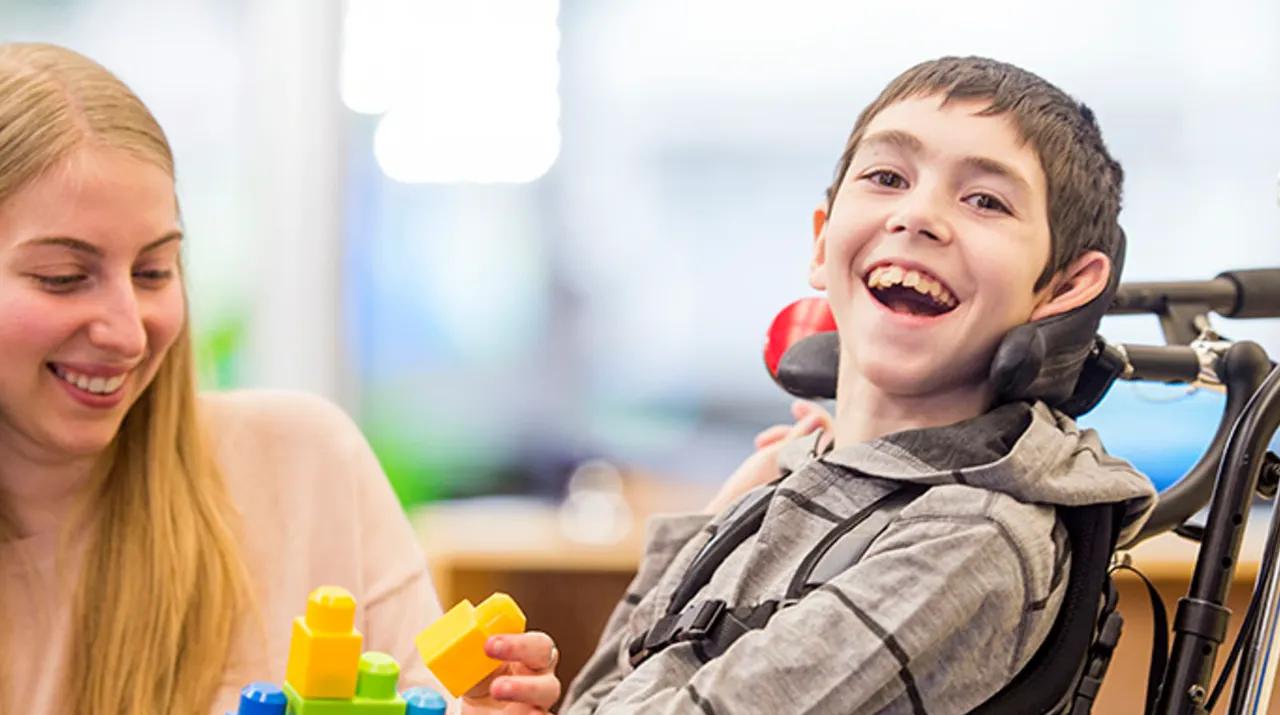
Cerebral Palsy Treatment can help children develop practical skills, improve their ability to participate in everyday activities, and manage movement difficulties associated with cerebral palsy. Occupational therapy is an important part of this process because it focuses on tasks such as dressing, eating, writing, playing, and personal care. Treatment goals are personalised according to each child's abilities, age, and individual needs.
Families searching for convenient healthcare support may also come across Doctor At Home In Dubai when researching home-based medical consultations. A medical professional can help assess general concerns, explain appropriate next steps, and advise whether specialist services or rehabilitation assessments may be beneficial for a child.
What Is Occupational Therapy for Cerebral Palsy?
Occupational therapy helps children participate in meaningful daily activities as independently and comfortably as possible. Cerebral palsy can affect muscle control, coordination, posture, balance, and the ability to perform precise movements. These challenges may make ordinary tasks more difficult, particularly when a child needs to use both hands or maintain a stable sitting position.
An occupational therapist evaluates how the child performs daily tasks and identifies barriers to participation. The therapist then develops strategies and activities that match the child's abilities and goals.
Occupational therapy does not aim to make every child perform tasks in exactly the same way. Instead, it focuses on practical progress, safe participation, and greater independence through suitable techniques, adaptations, and equipment.
How Occupational Therapy Supports Cerebral Palsy Treatment
Improving Fine Motor Skills
Fine motor skills involve the small movements of the hands and fingers. These skills are important for holding a spoon, picking up toys, fastening buttons, turning pages, and using pencils.
Children with cerebral palsy may have difficulty controlling these movements because of muscle stiffness, weakness, or coordination challenges. Occupational therapy may include supervised activities that encourage reaching, grasping, releasing, and manipulating objects.
The therapist selects activities based on the child's current abilities. Progress may involve using a larger handle on a utensil, holding an object more securely, or completing part of a task with less assistance.
Developing Hand-Eye Coordination
Hand-eye coordination helps children guide their hands using visual information. It supports activities such as stacking blocks, drawing, catching a ball, and handling school materials.
An occupational therapist may introduce games and practical exercises that encourage children to reach for objects, place items accurately, and coordinate both hands when appropriate.
These activities should be enjoyable and achievable. Regular practice can help children build functional skills, although the amount of progress varies depending on their individual needs.
Encouraging Independence in Daily Activities
Daily living skills are a major focus of occupational therapy. A child may need support with dressing, brushing their teeth, washing their hands, using the toilet, or eating meals.
Therapists can break complex tasks into smaller steps, demonstrate alternative techniques, and recommend adaptations that make activities easier. For example, a child who struggles to hold a standard spoon may benefit from an adapted utensil with a larger grip.
The objective of Cerebral Palsy Treatment is not simply to practise movements but to help children use their abilities in real-life situations.
Occupational Therapy for School and Learning
Supporting Handwriting and Classroom Tasks
Some children with cerebral palsy experience difficulties with handwriting, holding a pencil, cutting with scissors, or organising school materials. These challenges can affect how comfortably they complete classroom activities.
An occupational therapist may recommend pencil grips, adapted scissors, suitable desk positioning, or alternative methods of completing written work. Depending on the child's needs, keyboarding or assistive technology may also be useful.
Teachers and therapists can work together to ensure that classroom adjustments support learning without creating unnecessary barriers to participation.
Improving Sitting Position and Posture
A stable sitting position can make it easier for a child to use their hands, focus on tasks, and participate in play or learning. Children with cerebral palsy may need specialised chairs, supportive cushions, footrests, or other positioning equipment.
An occupational therapist may assess the child's seating and recommend changes in coordination with other healthcare professionals. Equipment should be fitted appropriately and reviewed as the child grows.
Good positioning should prioritise comfort, function, and safety rather than forcing the body into an uncomfortable posture.
Sensory and Play-Based Activities
Play is an important way for children to explore their environment, practise new skills, and interact with others. Occupational therapists may use age-appropriate games, puzzles, building blocks, art materials, and everyday objects to encourage participation.
Some children also experience sensory processing difficulties that affect their responses to sounds, textures, movement, or busy environments. When these concerns interfere with daily activities, an occupational therapist can assess the situation and suggest suitable strategies.
Activities should be selected according to the child's specific difficulties. Not every child with cerebral palsy needs sensory-based therapy, and the effectiveness of individual approaches can vary.
The Role of Parents in Occupational Therapy
Practising Skills at Home
Parents and caregivers can help children practise skills between therapy sessions. A therapist may recommend simple activities that fit naturally into daily routines, such as reaching for a favourite toy, practising the steps involved in putting on a shirt, or using adapted utensils during meals.
Home practice should follow the therapist's guidance and remain appropriate for the child's comfort and abilities. Parents should avoid forcing movements, continuing activities that cause pain, or introducing unfamiliar equipment without professional advice.
Consistent practice can help children apply the skills they learn in therapy to their everyday environments.
Setting Realistic Goals
Every child has different strengths and challenges. One child may focus on holding a cup independently, while another may work toward using a communication device or participating more comfortably in classroom activities.
Therapists and parents should establish clear, meaningful goals and review them regularly. Progress can include completing part of a task, needing less physical assistance, or participating with greater confidence.
Celebrating small improvements can help children stay motivated while allowing families to recognise progress that might otherwise go unnoticed.
Combining Occupational Therapy With Other Treatments
Occupational therapy is often one part of a wider Cerebral Palsy Treatment plan. Depending on the child's needs, additional support may include physiotherapy for mobility and balance, speech and language therapy for communication or swallowing, and medical management for pain or muscle stiffness.
A pediatrician or relevant specialist can coordinate assessments and help determine which services are appropriate. Some children may also benefit from orthoses, mobility aids, communication devices, or specialised seating.
The combination of services should be individualised. More therapy is not automatically better; the type, frequency, and intensity of treatment should reflect the child's goals, tolerance, and overall health.
When Should Parents Consider an Occupational Therapy Assessment?
Parents may consider an assessment if their child has persistent difficulty using their hands, dressing, eating, maintaining a comfortable sitting position, handling school materials, or participating in age-appropriate play.
An assessment may also be helpful when a child outgrows existing equipment or when daily tasks become more difficult as physical needs change. Early discussion with a pediatrician or rehabilitation professional can help families identify appropriate support.
If a child develops sudden changes in movement, significant pain, new weakness, or loss of previously acquired skills, medical assessment is important rather than relying on occupational therapy alone.
Conclusion
Cerebral Palsy Treatment and Occupational Therapy work together to help children build practical skills, participate in everyday routines, and develop greater independence. Through personalised activities, adaptive equipment, suitable positioning, and family involvement, occupational therapy can address challenges involving hand control, self-care, school tasks, and play.
Cerebral palsy is a lifelong condition, and treatment does not provide a universal cure. However, a well-planned approach can help children work toward meaningful goals and improve their participation in daily life. Regular assessments and cooperation between families, therapists, educators, and medical professionals help ensure that support remains appropriate as each child grows.