

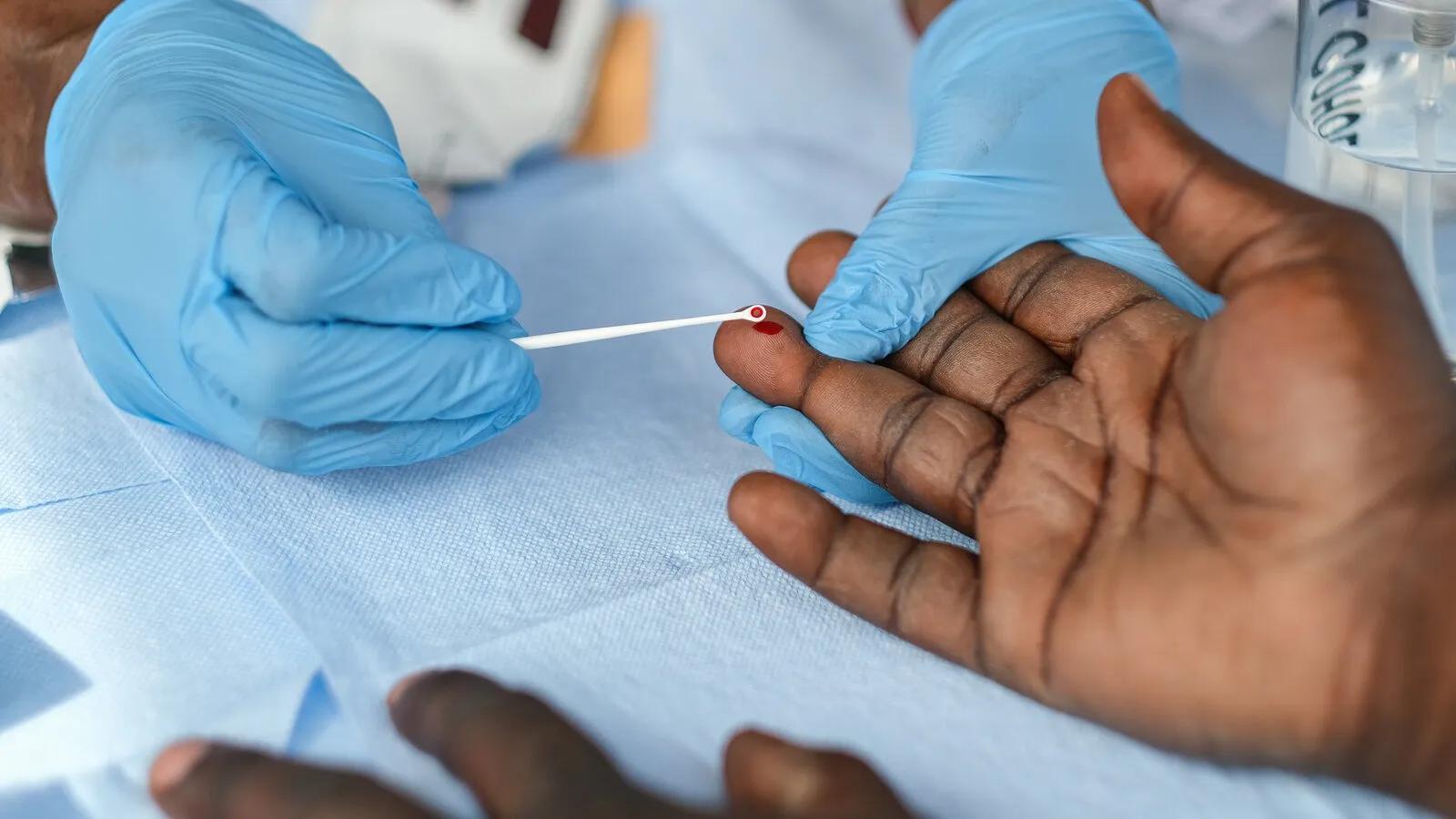
Regular blood testing can provide healthcare professionals with valuable information about different aspects of a person's health. However, visiting a laboratory for every investigation can be inconvenient. With a Blood Test At Home, patients can arrange professional sample collection at their preferred location and have the specimen sent to a laboratory for analysis.
For people who need medical advice or evaluation without traveling to a clinic, Doctor at home in Dubai can also provide a convenient way to access professional healthcare services from home.
What Tests Can Be Done at Home?
The tests available through home sample collection depend on the provider, laboratory, and doctor's request. Many routine blood investigations can be performed using a sample collected at home.
Common options may include complete blood count testing, blood glucose testing, cholesterol testing, liver function tests, kidney function tests, thyroid testing, vitamin testing, and other laboratory investigations.
Not every test is suitable for every patient, and some specialized investigations may have specific collection, storage, or transportation requirements. Patients should confirm availability before scheduling an appointment.
Complete Blood Count
A complete blood count, commonly known as a CBC, is a frequently requested blood test. It measures several components of the blood, including red blood cells, white blood cells, hemoglobin, and platelets.
Healthcare professionals may request this test for routine assessment or when investigating certain symptoms. The results are interpreted alongside the patient's medical history and other clinical information.
A Blood Test At Home can allow a professional to collect the sample for this type of laboratory investigation without requiring the patient to travel to a testing center.
Blood Glucose Testing
Blood glucose tests measure the amount of glucose in the blood. They can be used in different healthcare situations, including monitoring blood sugar levels and assessing metabolic health.
Depending on the specific glucose test, preparation requirements can differ. Some investigations may require fasting, while others may be performed at a particular time or under specific conditions.
Patients should follow their doctor's instructions carefully before having a glucose-related test performed.
Cholesterol Testing
Cholesterol testing is another common laboratory investigation. A lipid profile may measure different types of cholesterol and triglycerides, providing information that healthcare professionals can consider when assessing cardiovascular risk.
The exact preparation required can depend on the test and the laboratory's instructions. Patients should ask their healthcare provider whether fasting is necessary before the appointment.
Having the sample collected at home can make regular monitoring more convenient for people who need periodic testing.
Liver Function Tests
Liver function tests can provide information about certain substances associated with liver health. Doctors may request these investigations as part of a health assessment or when monitoring a known condition or treatment.
The specific tests included in a liver panel can vary. A healthcare professional determines which investigations are appropriate based on the patient's circumstances.
Professional home sample collection can be used for many routine laboratory investigations when the required testing is available through the provider.
Kidney Function Tests
Kidney-related blood tests can help healthcare professionals evaluate markers associated with kidney function. These investigations may be recommended as part of routine monitoring or when a doctor needs additional information about a patient's health.
Results should always be interpreted by a qualified healthcare professional because laboratory values can be influenced by multiple factors.
Home collection can make repeated testing more convenient for patients who have been advised to undergo regular monitoring.
Thyroid Testing
Thyroid blood tests are commonly used to assess thyroid-related hormones and other markers. Doctors may recommend them when symptoms or other factors suggest that thyroid evaluation is appropriate.
The tests ordered can vary depending on the clinical situation. Patients should follow any instructions provided before sample collection.
A home appointment can provide a comfortable way to complete the required blood draw without visiting a laboratory.
Vitamin and Nutritional Tests
Certain blood tests can assess levels of vitamins and other nutritional markers. Healthcare professionals may recommend these investigations when they have concerns about nutritional status or when monitoring a specific health issue.
Examples can include tests related to vitamin D, vitamin B12, iron, or other markers, depending on the patient's needs.
Patients should not assume that every vitamin test is necessary. Testing should be guided by appropriate medical advice.
Hormone Testing
Blood samples can also be used for various hormone investigations. Depending on the hormone being measured, the timing of sample collection can sometimes be important.
Some hormone tests may need to be performed at a particular time of day or at a specific stage of a cycle. Patients should carefully follow the instructions provided by their healthcare professional.
When these tests are available through a home testing service, professional collection can make the process more convenient.
Why Choose Blood Test At Home?
The main advantage of Blood Test At Home is convenience. Patients can avoid unnecessary travel and waiting at a laboratory while still having their blood sample collected by a trained professional.
This can be especially helpful for older adults, busy professionals, families, and people who have difficulty traveling. Home collection may also provide a more comfortable environment for patients who feel nervous about medical appointments.
The convenience of home testing can make it easier for some people to complete recommended laboratory investigations on time.
How to Prepare for Different Tests
Preparation varies according to the investigation. Some tests require fasting, while others may require no special preparation. Certain hormone tests may have timing requirements, and other investigations may have specific instructions regarding medications or supplements.
Patients should always follow the instructions provided by their doctor or testing provider. If anything is unclear, ask before the appointment rather than making assumptions.
Good preparation can help prevent unnecessary delays and ensure that the correct testing conditions are followed.
What Happens to the Sample?
After collection, the healthcare professional labels and handles the specimen according to appropriate procedures. It is then transported to the relevant laboratory for analysis.
The laboratory processes the sample and produces a report based on the tests requested. The turnaround time depends on the type of investigation and laboratory processing requirements.
Once the report is available, a doctor or qualified healthcare professional can explain the results and determine whether any further evaluation is needed.
Choosing the Right Home Testing Service
Before booking a home blood test, confirm that the provider offers the investigation you require. Ask about sample collection, preparation instructions, laboratory processing, result delivery, and expected turnaround time.
A reputable provider should use trained professionals and appropriate procedures for collecting and transporting samples.
It is also important to use a test recommended by a healthcare professional when medical evaluation is required rather than ordering unnecessary investigations simply because they are available.
Conclusion
A Blood Test At Home can provide convenient access to many common laboratory investigations, including blood counts, glucose testing, cholesterol testing, liver and kidney assessments, thyroid tests, vitamin measurements, and selected hormone investigations.
The exact tests available depend on the provider and the patient's healthcare needs. By following preparation instructions, choosing a reliable testing service, and discussing results with a qualified healthcare professional, patients can make routine laboratory testing more convenient while maintaining an appropriate approach to their overall healthcare.