

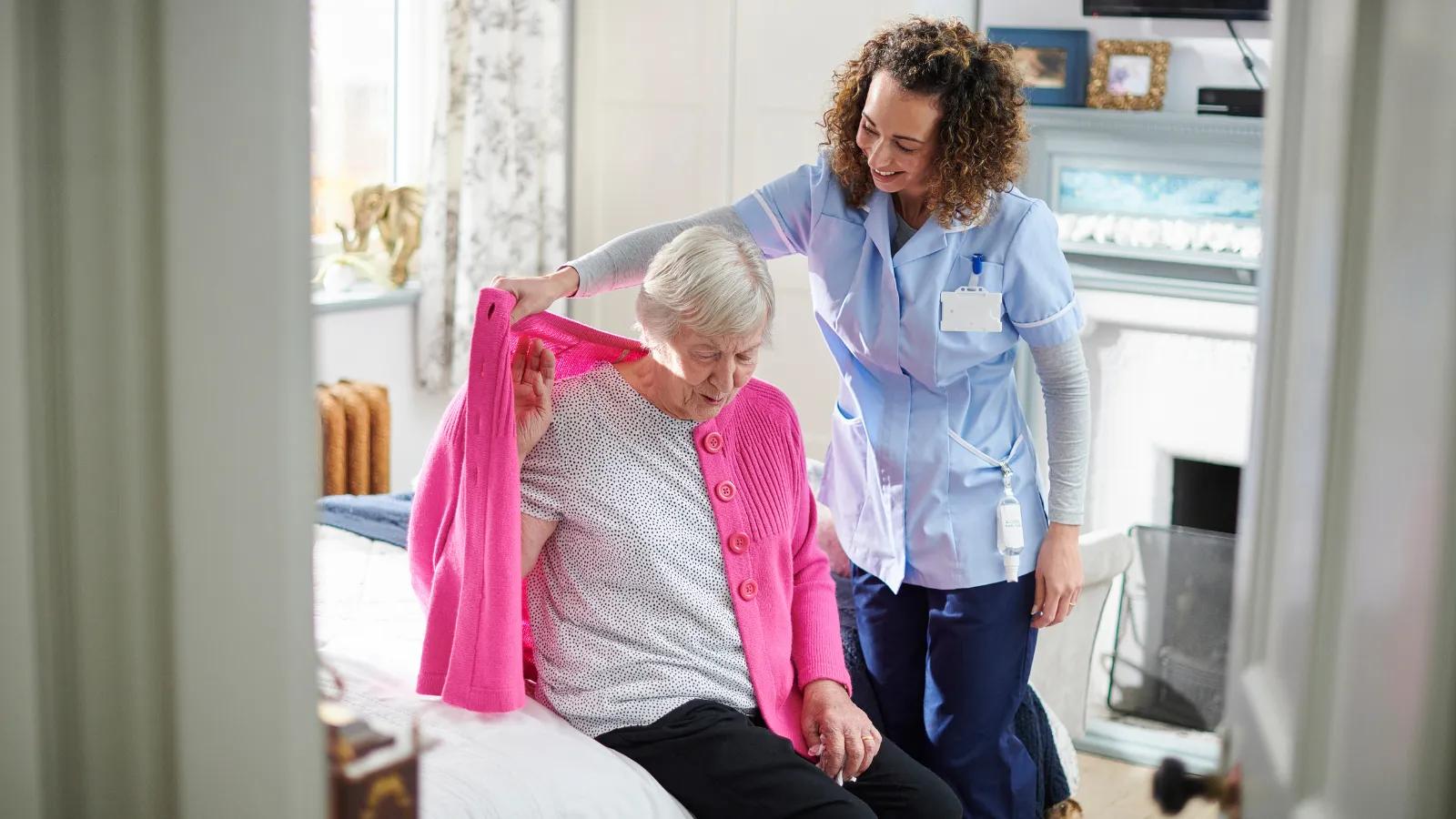
Elderly Home Care plays an important role in helping older adults remain safe, comfortable, and independent in their own homes. As people age, changes in balance, strength, vision, and mobility can make everyday activities more challenging. Simple household hazards may become more serious, making it important for families to create a safe environment and arrange suitable assistance when needed.
Doctor At Home In Dubai may also help families arrange convenient medical consultations for seniors in familiar surroundings. When health concerns arise, professional medical guidance can help families understand appropriate next steps alongside a suitable home care plan.
Why Home Safety Matters for Older Adults
A safe home environment can help seniors move around more confidently and reduce avoidable risks. Areas that once seemed easy to navigate may become difficult because of reduced mobility, poor lighting, or changes in vision.
Safety planning should consider the senior's physical abilities, health needs, daily routines, and personal preferences. The goal is not to restrict independence but to make everyday activities safer and more manageable.
Preventing Common Household Accidents
Slippery floors, loose rugs, cluttered walkways, and poorly positioned furniture can increase the risk of falls. Families should regularly inspect areas where seniors spend the most time and remove obstacles that make movement difficult.
Caregivers can help keep frequently used items within reach, maintain clear walking paths, and report hazards that require attention.
Supporting Confidence and Independence
When older adults feel safe in their homes, they may be more comfortable participating in everyday activities. Appropriate modifications and respectful assistance can help them maintain routines without unnecessary dependence on others.
Care plans should encourage seniors to complete tasks they can safely manage while providing support when it is genuinely needed.
Essential Elderly Home Care Tips to Prevent Falls
Falls are a major safety concern for older adults and can lead to injuries that affect mobility and independence. Prevention begins with identifying common hazards and making practical changes.
Keep Walkways Clear
Remove unnecessary furniture, loose cables, clutter, and objects that could obstruct walking paths. Make sure routes between the bedroom, bathroom, kitchen, and living area remain easy to navigate.
Frequently used items should be stored at a convenient height so seniors do not need to climb on stools or bend excessively to reach them.
Improve Lighting Throughout the Home
Poor lighting can make it difficult to recognize steps, furniture, and other obstacles. Ensure hallways, staircases, bedrooms, and bathrooms are well lit.
Nightlights may help seniors move safely when getting up after dark. Light switches should also be easy to reach from entrances and bedside areas.
Use Suitable Mobility Aids
Some older adults benefit from canes, walkers, or other mobility equipment. These aids should be selected and adjusted appropriately, ideally with guidance from a qualified healthcare professional.
Caregivers should understand how to assist with movement safely and avoid attempting transfers beyond their training. If walking becomes increasingly difficult, the senior may need a mobility assessment.
Making Bathrooms Safer for Seniors
Bathrooms require special attention because wet surfaces can become slippery and daily hygiene tasks may involve bending, standing, or stepping over obstacles.
Install Appropriate Support Features
Grab bars near the toilet and shower may provide additional stability when correctly selected and securely installed. Nonslip surfaces can also help reduce slipping risks.
Families should avoid relying on towel rails or other fixtures that are not designed to support body weight.
Make Bathing More Comfortable
A suitable shower chair or handheld showerhead may help seniors who struggle to stand for long periods. The bathroom should have enough space for safe movement, and personal care items should be easy to reach.
Caregivers can provide bathing assistance when required while maintaining privacy and dignity. The level of supervision should reflect the senior's mobility and individual care needs.
Maintain a Comfortable Environment
Bathrooms should be adequately ventilated and kept free of unnecessary clutter. Wet floors should be dried promptly, and commonly used toiletries should be stored securely.
These simple habits can make personal care routines easier and more comfortable.
Kitchen Safety for Elderly Home Care
The kitchen is another important area to assess because cooking involves heat, sharp tools, electrical appliances, and potentially heavy objects.
Organize Frequently Used Items
Store everyday dishes, utensils, and food supplies where the senior can reach them without stretching or climbing. Heavy cookware should be kept in accessible locations to reduce the risk of dropping items or straining muscles.
Caregivers may assist with meal preparation and kitchen organization according to the agreed care plan.
Reduce Cooking Risks
Older adults who experience memory difficulties may occasionally forget to switch off appliances. Families can consider safer cooking arrangements and appropriate appliance safety features.
If a senior can no longer use cooking equipment safely, supervised meal preparation or prepared meals may be more suitable. The decision should be based on an individual assessment rather than age alone.
Encourage Safe Nutrition Habits
Regular meals and adequate hydration support general well-being. Caregivers can help prepare balanced meals that match the senior's dietary requirements and preferences.
Any special dietary restrictions should follow appropriate medical advice, especially when the senior has a condition that affects nutrition or fluid intake.
Medication and Health Safety at Home
Managing medications can become more difficult when an older adult takes several prescriptions or has memory problems. An organized routine can reduce confusion and help families identify potential concerns.
Keep Medication Information Organized
Maintain an up-to-date list of medications, prescribed doses, and relevant instructions. Store medicines according to their labels and keep them away from children or anyone who might take them accidentally.
Caregivers may provide reminders or other permitted assistance, depending on their training and responsibilities. Medication should never be changed without advice from the prescribing professional.
Monitor Changes in Well-Being
Family members and caregivers should pay attention to meaningful changes in appetite, movement, alertness, mood, or general functioning. Recording observations can help healthcare professionals understand what has changed.
Sudden confusion, severe breathing difficulties, chest pain, or new weakness may indicate an emergency. Seek urgent medical assistance rather than waiting for a routine appointment.
Maintain Regular Medical Follow-Ups
Routine consultations can help seniors review ongoing health concerns, medications, and changing care needs. Families should keep appointment information accessible and arrange suitable transportation or home consultations when appropriate.
Daily caregivers can support routines, but medical assessment and treatment should be provided by qualified healthcare professionals.
Personal Hygiene and Infection Prevention
Good hygiene supports comfort and helps reduce the spread of infections. Seniors who need assistance with bathing, dressing, or toileting may benefit from consistent and respectful personal care.
Follow Proper Hand Hygiene
Caregivers and family members should wash their hands before preparing food, assisting with personal care, and handling items that require clean hands. They should also follow appropriate hygiene practices when supporting an older adult who is unwell.
Frequently touched surfaces should be cleaned regularly, particularly when someone in the household has an infection.
Maintain Skin Comfort
Older adults with limited mobility may be more vulnerable to skin irritation or pressure-related injuries. Keeping skin clean and dry, using suitable personal care products, and following recommended movement routines can help protect skin health.
Persistent redness, open wounds, unusual swelling, or signs of infection should be assessed by a healthcare professional.
Emergency Preparedness for Seniors
Every household supporting an older adult should have a clear plan for unexpected situations. Preparation can help family members and caregivers respond more effectively.
Keep Emergency Contacts Accessible
Display important phone numbers in an easy-to-find location and ensure caregivers know whom to contact. Relevant medical information, allergies, and current medication details should also be available when needed.
A charged phone or another accessible communication device can help seniors request assistance.
Prepare for Power and Medical Equipment Problems
If the senior relies on powered medical equipment, families should ask the healthcare team about backup arrangements and what to do during a power interruption.
Emergency planning should reflect the equipment used and the senior's specific needs. Do not assume that every device has a built-in backup battery.
Know When to Seek Immediate Help
Caregivers should understand which symptoms require urgent medical attention and which concerns can be discussed during a routine consultation. Serious falls, loss of consciousness, severe breathing problems, and sudden neurological symptoms require immediate emergency assessment.
Choosing a Reliable Elderly Home Care Provider
A suitable home care provider should understand the senior's needs and have clear procedures for maintaining safety.
Before choosing a service, ask about caregiver experience, relevant training, background checks, supervision, emergency response, and communication with family members. Confirm whether the provider can safely support the senior's mobility, personal care, and other daily requirements.
Families should also review scheduling arrangements, fees, and the process for changing a care plan. Regular discussions with the caregiver can help identify emerging risks and keep support appropriate as the senior's needs change.
Conclusion
Following essential Elderly Home Care safety tips can help families create a safer environment for aging loved ones. Clear walkways, suitable lighting, bathroom modifications, organized medication routines, good hygiene, and emergency preparation all contribute to safer daily living.
Every senior has different abilities and care requirements, so safety measures should be personalized rather than applied in the same way to everyone. With practical home adjustments, reliable caregiving, and appropriate professional guidance, older adults can enjoy greater comfort, dignity, and confidence while remaining at home.