

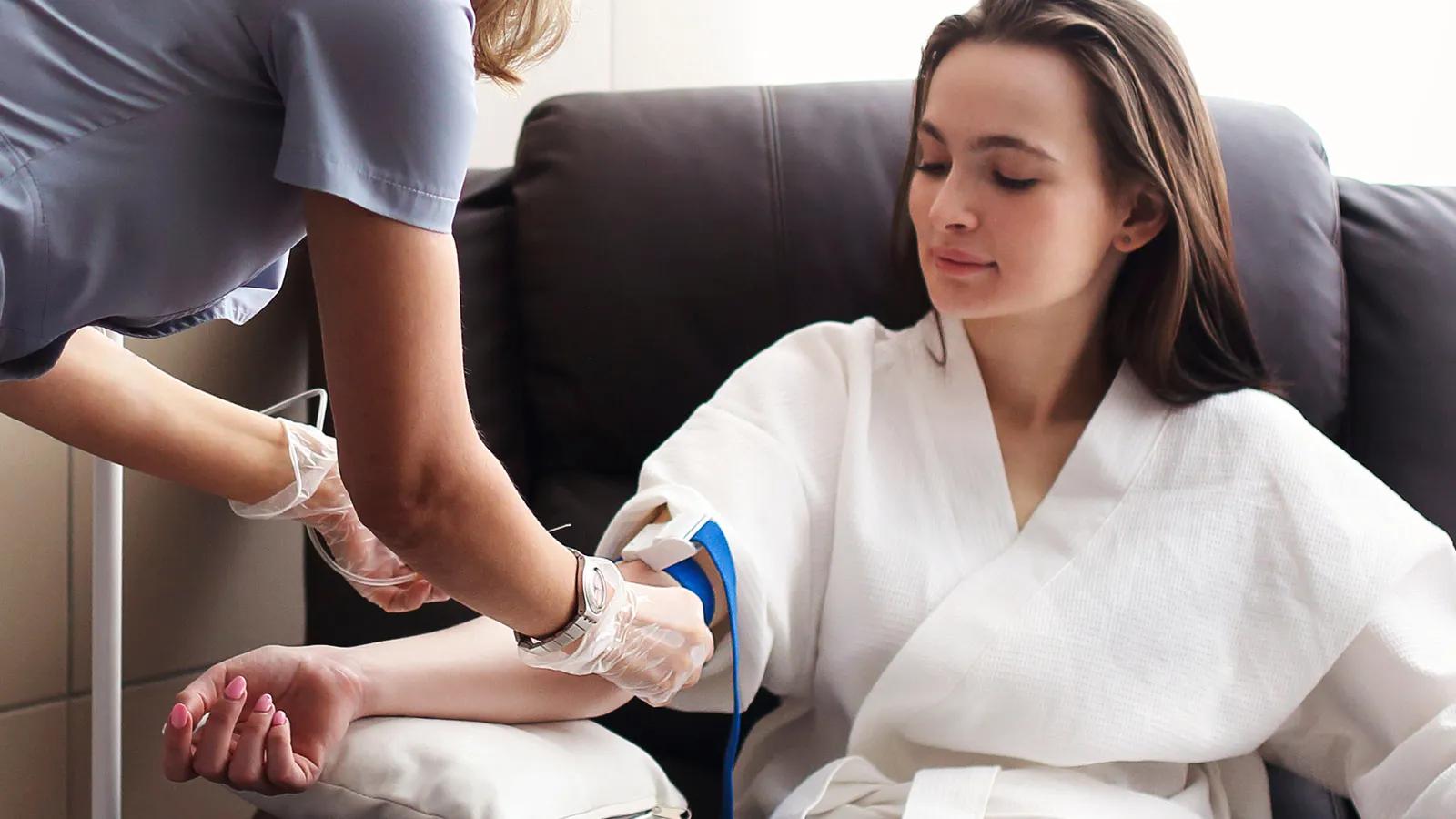
Glucose Drip at Home may be considered when a patient requires intravenous glucose for a specific medical reason and a qualified healthcare professional determines that home treatment is appropriate. Although receiving medical care at home can be convenient, an IV infusion is a medical procedure that requires a proper assessment, a valid treatment plan, and appropriate monitoring. It should never be used simply as a routine energy booster.
For people seeking convenient medical assistance, Doctor At Home In Dubai services can help arrange an assessment and determine the most appropriate care setting. A healthcare professional can review symptoms, medical history, medications, and relevant test results before deciding whether intravenous glucose is necessary. The main objective is to provide suitable treatment while reducing avoidable risks.
Why Medical Supervision Matters for Glucose Drips
Intravenous glucose affects the body's blood sugar levels and may influence fluid balance. Its suitability depends on the patient's health, the reason for treatment, and the prescribed solution. Medical supervision helps ensure that treatment is based on clinical need rather than assumptions about symptoms.
Weakness, dizziness, and fatigue can occur for many reasons, including low blood glucose, inadequate nutrition, infections, and other health conditions. These symptoms do not automatically mean a patient needs a glucose infusion. Without proper assessment, treatment may be unnecessary or may delay the diagnosis of an underlying problem.
A qualified healthcare professional can evaluate the patient's condition and explain whether an IV infusion, another treatment, or further investigation is more appropriate.
What Does a Medical Assessment Involve?
Reviewing Symptoms and Medical History
Before recommending a Glucose Drip at Home, a healthcare professional should ask about the patient's symptoms, when they began, how severe they are, and whether they have occurred before. The assessment should also consider existing medical conditions, allergies, current medicines, and any previous reactions to intravenous treatment.
This information helps the clinician identify potential risks and determine whether a home visit is suitable. Patients should provide accurate information and mention conditions such as diabetes or heart and kidney problems, which may affect treatment decisions.
Checking Blood Glucose When Necessary
Blood glucose testing may be needed when symptoms suggest a problem with blood sugar. The results help guide clinical decisions, but they must be interpreted alongside the patient's symptoms and overall condition.
A glucose infusion should not be prescribed solely because someone feels tired or wants to feel more energetic. If the cause of the symptoms is uncertain, further examination or testing may be necessary.
Determining Whether Home Care Is Appropriate
Not every patient can safely receive IV treatment at home. Some conditions require hospital facilities, repeated laboratory tests, closer observation, or emergency intervention.
A clinician should consider the patient's stability, the complexity of the treatment, and the monitoring available before approving home-based care.
Safe Administration of Glucose Drips at Home
The Role of Qualified Healthcare Professionals
Intravenous glucose should be administered by an appropriately qualified professional under a suitable medical prescription or treatment plan. The professional must use appropriate equipment, follow infection-control procedures, and verify that the solution and infusion instructions match the prescription.
Patients and family members should not attempt to insert IV lines, adjust infusion rates, or administer glucose solutions independently. If anything about the treatment appears unclear, they should ask the healthcare professional before proceeding.
Monitoring During the Infusion
Monitoring is an important part of safe IV care. Depending on the patient's condition, this may include observing symptoms, checking blood glucose, assessing the IV site, and monitoring other relevant clinical measurements.
The professional should watch for pain, swelling, redness, leakage, or other signs of an IV complication. Changes in the patient's condition should be assessed promptly, and the infusion may need to be stopped or adjusted by the treating professional when clinically indicated.
Preventing Complications
Even when performed correctly, IV treatment can involve risks. These may include irritation of the vein, infection, fluid-related complications, and changes in blood glucose. The level of risk depends on the patient, the solution, and the circumstances of treatment.
Appropriate assessment, sterile technique, correct administration, and monitoring can help reduce avoidable risks. However, no provider should guarantee that complications are impossible.
Who May Need Additional Precautions?
People with diabetes may need closer blood glucose monitoring because an infusion containing glucose can raise blood sugar. The treating clinician should consider current glucose levels, prescribed medicines, and the patient's individual treatment plan.
Patients with heart or kidney conditions may also need special consideration because fluid administration can affect fluid balance. Older adults and people with complex medical needs may require an individualized assessment to determine whether home treatment is suitable.
Pregnant patients, children, and people taking medicines that affect blood glucose should receive advice appropriate to their circumstances. The decision to use intravenous glucose should always be based on medical need.
What Should Patients Expect Before and After Treatment?
Before the Home Visit
Patients should prepare a list of current medicines, known allergies, existing medical conditions, and relevant medical records. If available, recent blood glucose readings or other requested test results may help the clinician assess the situation.
Patients should explain their symptoms honestly and ask why the infusion is being recommended. They should also understand the expected benefits, possible risks, and any alternative treatments before consenting to the procedure.
After the Infusion
After treatment, the healthcare professional should provide instructions about the IV site, symptoms to watch for, and any required follow-up. Depending on the clinical reason for treatment, further blood glucose checks or other monitoring may be necessary.
Patients should contact a healthcare professional if symptoms persist or return. Increasing weakness, worsening dizziness, or other new symptoms should not automatically be attributed to dehydration or low blood sugar.
When Is Emergency Care More Appropriate?
A home glucose infusion is not a substitute for emergency medical treatment. Severe confusion, loss of consciousness, seizures, difficulty breathing, chest pain, or a sudden decline in the patient's condition requires urgent medical assistance.
Severe hypoglycaemia can be dangerous. If someone is unconscious, having a seizure, or unable to swallow safely, seek emergency assistance immediately. Never give food, drinks, or sugar by mouth to an unconscious person. Follow the emergency operator's instructions and use prescribed emergency medication only when appropriate.
If the patient is severely unwell, do not delay emergency care while waiting for a home healthcare provider.
How to Choose a Reliable Home Healthcare Provider
Choosing a professional provider involves more than convenience. Ask whether the service arranges an appropriate clinical assessment, uses qualified staff, follows infection-control procedures, and provides monitoring suited to the prescribed treatment.
A trustworthy provider should explain why a glucose drip is needed, what the procedure involves, and what warning signs require further medical attention. The provider should also be willing to recommend hospital care when home treatment is unsuitable.
Avoid services that promote glucose infusions as a universal solution for fatigue, dehydration, or general wellness. Safe healthcare begins with identifying the patient's needs and selecting the correct treatment.
Conclusion
Glucose Drip at Home can be appropriate for certain patients when intravenous glucose is medically indicated and the patient's condition can be managed safely at home. Medical supervision is essential for assessing the need for treatment, administering the prescribed solution correctly, monitoring for complications, and arranging follow-up.
Patients should choose qualified healthcare professionals, ask questions about their treatment, and follow medical advice. When symptoms are severe or suggest an emergency, immediate emergency care should take priority over a home visit.