

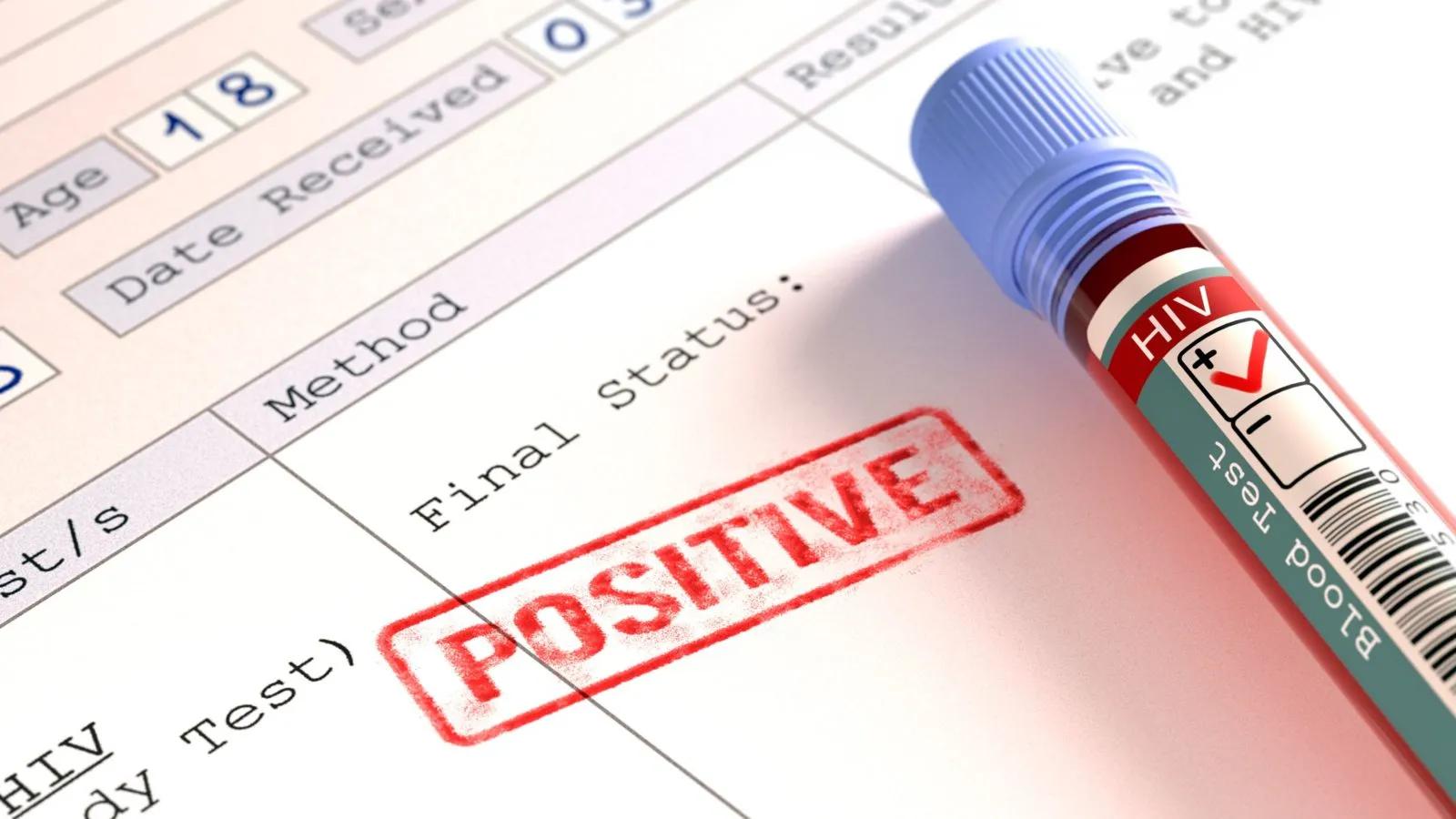
An HIV Test is an important step toward understanding your health and identifying HIV infection early. However, some people delay screening because they worry about privacy, social judgment, or the possibility of their personal information being shared. Confidential testing helps individuals feel more comfortable seeking medical advice and understanding their health status. It also encourages early diagnosis, timely treatment, and responsible healthcare decisions.
An STD Test In Dubai can help individuals screen for different sexually transmitted infections while receiving appropriate medical guidance. Choosing a qualified healthcare provider and understanding how personal information is handled can make the screening experience more comfortable and reassuring.
What Is Confidential HIV Testing?
Confidential HIV testing means that your test information and medical results are handled privately according to applicable healthcare regulations and privacy policies.
Healthcare professionals should protect patient information and share it only when legally permitted or appropriately authorized. The exact confidentiality rules can vary depending on the country, healthcare provider, and testing service.
Before booking a screening appointment, you can ask the provider how your personal details, test samples, and results will be managed.
Why Is Confidentiality Important During HIV Screening?
Privacy plays an important role in encouraging people to seek testing without unnecessary fear or embarrassment.
Encourages Early Testing
Some individuals avoid an HIV screening appointment because they are concerned about other people discovering their medical information.
Confidential healthcare services can reduce these concerns and encourage people to get tested when necessary.
Early diagnosis is important because it allows individuals with HIV to access treatment before serious immune system damage develops.
Reduces Fear of Social Judgment
HIV is a medical condition, but misunderstandings and stigma can make people uncomfortable discussing it.
A respectful and private testing environment helps individuals communicate openly with healthcare professionals. It also encourages better understanding of HIV prevention and treatment.
Supports Informed Healthcare Decisions
When individuals feel comfortable discussing their concerns, they may be more willing to share relevant medical information.
This helps healthcare professionals recommend appropriate testing methods, explain results, and provide suitable follow-up care.
What Happens During a Confidential HIV Test?
The testing process is generally straightforward, although the exact procedure depends on the selected screening method and healthcare facility.
Discussing Your Health Concerns
A healthcare professional may ask about your medical history, possible exposure, and the reason for screening.
This information helps determine which testing method is suitable and when the test should be performed.
Sample Collection
Depending on the method, an HIV screening test may use a blood sample or another approved specimen.
Blood-based tests are commonly performed in healthcare facilities and laboratories. Some rapid tests may use a finger-prick blood sample, while certain approved tests use oral fluid.
Receiving Your Results
Results may be available within minutes for some rapid screening tests or take several days for laboratory testing.
The healthcare provider should explain how results will be communicated and what steps are required if further testing is necessary.
Different Types of HIV Testing Methods
Understanding available testing methods can help you make an informed decision with your healthcare provider.
Rapid HIV Screening
Rapid tests can provide preliminary results during the same appointment, often within approximately 20–30 minutes, depending on the test.
They are convenient for individuals who prefer a shorter waiting period. However, reactive results require confirmatory testing.
Laboratory Antigen/Antibody Testing
Laboratory antigen/antibody tests detect HIV antibodies and the p24 antigen. These tests commonly use blood drawn from a vein.
They can generally detect HIV approximately 18–45 days after exposure.
Nucleic Acid Testing
A nucleic acid test (NAT) detects HIV genetic material in the blood. It may be recommended when early detection is important or when other results require further investigation.
The appropriate method depends on exposure timing and individual circumstances.
How Does Confidential Testing Protect Personal Information?
Healthcare facilities should have procedures for handling patient information securely.
Before testing, consider asking how the provider protects medical records, who can access your results, and how test reports are delivered.
You can also ask whether results are shared electronically, provided directly to you, or communicated through another secure process.
It is important to understand that confidential testing is not necessarily the same as anonymous testing. Anonymous testing may be available through certain services, but availability and eligibility depend on local regulations and providers.
What Happens If Your HIV Test Is Positive?
If an initial screening test produces a reactive result, additional testing is necessary to confirm whether HIV infection is present.
A reactive screening result alone is not a confirmed diagnosis.
If HIV is confirmed, a healthcare professional can recommend antiretroviral therapy (ART). This treatment helps control the virus, protect the immune system, and support long-term health.
People who take effective treatment and maintain an undetectable viral load do not transmit HIV through sexual contact. This is known as Undetectable = Untransmittable (U=U).
When Should You Consider Confidential HIV Screening?
You may consider screening after a possible HIV exposure, such as unprotected sexual contact or sharing needles or injection equipment.
Testing may also be appropriate as part of routine healthcare, when entering a new relationship, or when recommended by a healthcare professional.
If you think you may have been exposed to HIV within the last 72 hours, seek urgent medical attention to discuss post-exposure prophylaxis (PEP). PEP should be started as soon as possible and is generally not recommended after 72 hours. Do not wait for symptoms or test results before seeking medical advice.
Conclusion
Confidential HIV screening helps individuals access healthcare with greater confidence and privacy. It encourages early testing, supports informed decisions, and makes it easier to discuss personal health concerns with qualified professionals.
An HIV Test is an important part of understanding your health status. By choosing a qualified provider, asking about privacy procedures, and following recommended testing timelines, you can take a responsible step toward protecting your health and wellbeing.