

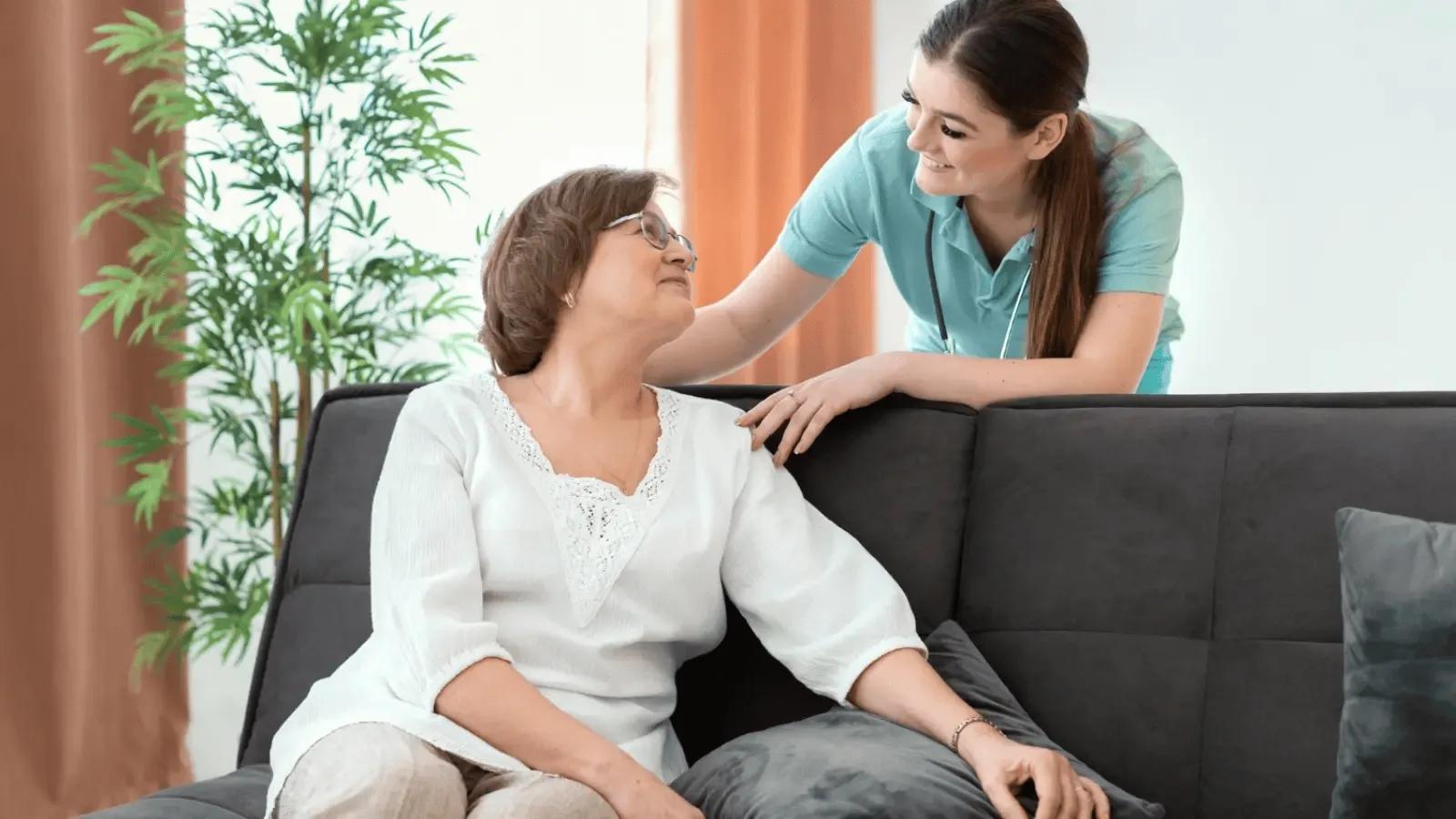
Patients who need ongoing healthcare support may benefit from receiving professional nursing assistance in a familiar home environment. Home Nursing Services can provide skilled care for patients recovering from illness, surgery, injury, or other health conditions that require regular attention. In Dubai, home-based nursing can help patients receive appropriate support while remaining close to their families and daily surroundings.
For patients who need additional medical evaluation during their care journey, Doctor at home in Dubai services may provide professional assessment at home when suitable. Medical and nursing care can be coordinated according to the patient's condition and healthcare plan.
What Is Skilled Nursing Care?
Skilled nursing care refers to professional nursing support provided by qualified healthcare personnel. Unlike general household assistance, skilled nursing involves healthcare-related responsibilities that require appropriate training and professional knowledge.
Depending on the patient's care plan, nursing support may include health monitoring, wound care, assistance with prescribed medication routines, personal care, mobility support, and observation of changes in the patient's condition.
How Home Nursing Services Work
Home Nursing Services are generally organized around the individual needs of the patient. Before care begins, the patient's condition and required support should be considered so that appropriate nursing services can be provided.
The frequency and duration of nursing visits can vary. Some patients may need short-term assistance after a medical procedure, while others may require regular support for long-term health needs.
Skilled Care After Surgery
Recovery after surgery can involve several nursing requirements. Patients may need help with wound care, dressing changes, mobility, personal hygiene, and monitoring for changes that could require medical attention.
A qualified nurse can provide care according to the instructions established by the patient's healthcare team. This can help patients maintain their recommended recovery routine without unnecessarily traveling for every routine nursing need.
Professional Wound Care
Wound management is an important responsibility for some patients receiving nursing care at home. Depending on the wound and medical instructions, patients may require regular dressing changes, cleaning, and observation.
A trained nurse can perform appropriate wound care according to professional instructions. Changes such as increased redness, swelling, pain, discharge, or fever should be communicated to the appropriate healthcare professional because they may require further assessment.
Support for Patients With Limited Mobility
Patients with reduced mobility may need assistance with movement and everyday personal care. This can occur after surgery, injury, illness, or because of age-related limitations.
Nursing professionals can provide appropriate mobility and personal care support according to the patient's condition. Families can also receive guidance on maintaining a safer environment for patients who have difficulty moving independently.
Health Monitoring at Home
Regular health monitoring can be an important part of skilled nursing care. Depending on the patient's requirements, a nurse may monitor measurements such as blood pressure, pulse, temperature, or oxygen levels.
These observations can help the healthcare team understand changes in the patient's condition. However, monitoring at home does not replace medical diagnosis or emergency treatment when a serious problem occurs.
Medication Routine Assistance
Some patients have several prescribed medications that need to be taken according to a specific schedule. Remembering different medications can become difficult, particularly for elderly patients or those recovering from illness.
Nursing professionals may assist with medication routines when this falls within their professional responsibilities and the established care plan. Prescribed medications should not be changed or stopped without appropriate medical guidance.
Skilled Support for Elderly Patients
Older adults may require skilled nursing assistance because of reduced mobility, chronic conditions, recovery needs, or difficulties with daily activities.
Professional nursing support can help elderly patients maintain appropriate care routines at home. Assistance may include personal care, health monitoring, mobility support, wound care, and other services based on the patient's individual requirements.
Long-Term Skilled Nursing Support
Some patients need ongoing care rather than temporary recovery assistance. Long-term nursing support may be appropriate for individuals who require regular monitoring or help with healthcare-related routines.
A personalized care plan can determine the type and frequency of support required. Home Nursing Services can then be adjusted as the patient's needs change over time.
Benefits for Family Caregivers
Providing care for a loved one can be demanding, particularly when the patient requires regular nursing attention. Family members may not always have the professional training or time needed to manage every healthcare responsibility.
Skilled nursing assistance can provide families with additional support. Relatives can remain involved in the patient's daily life while qualified nurses manage appropriate clinical and personal care responsibilities.
Personalized Nursing Care
Patients have different health conditions, recovery periods, and levels of independence. For this reason, skilled home nursing should be personalized rather than treated as a standard service.
The patient's healthcare needs, mobility, personal care requirements, medication routine, wound care needs, and monitoring requirements can all be considered when establishing an appropriate care plan.
Maintaining Comfort at Home
Receiving nursing care at home allows patients to remain in an environment they already know. Familiar surroundings can make daily routines more convenient, particularly for elderly patients and people who have difficulty traveling.
Family involvement can also be easier when care is provided at home. However, the patient's safety and medical requirements should always remain the priority when deciding whether home-based care is appropriate.
When Hospital Care Is Required
Home nursing is suitable only when a patient's condition can safely be managed at home. Some medical situations require hospital treatment or urgent professional evaluation.
Severe breathing problems, loss of consciousness, uncontrolled bleeding, severe chest pain, or other emergency symptoms require immediate medical attention. Routine home nursing should never delay emergency care.
Choosing Professional Home Nursing Care
When arranging skilled nursing support, families should consider the qualifications of the nursing professional, the patient's healthcare needs, the services required, and the expected duration of care.
It is also important to communicate clearly with the healthcare team. Providing nurses with relevant care instructions can help ensure that support remains consistent with the patient's overall treatment plan.
Final Thoughts
Skilled nursing care can provide valuable assistance for patients who need professional support while recovering or managing ongoing healthcare needs at home. From wound care and health monitoring to elderly assistance and mobility support, Home Nursing Services can be tailored to the patient's individual care requirements. With qualified nursing professionals and proper coordination with the healthcare team, patients can receive appropriate support while continuing their care in a familiar home environment.