

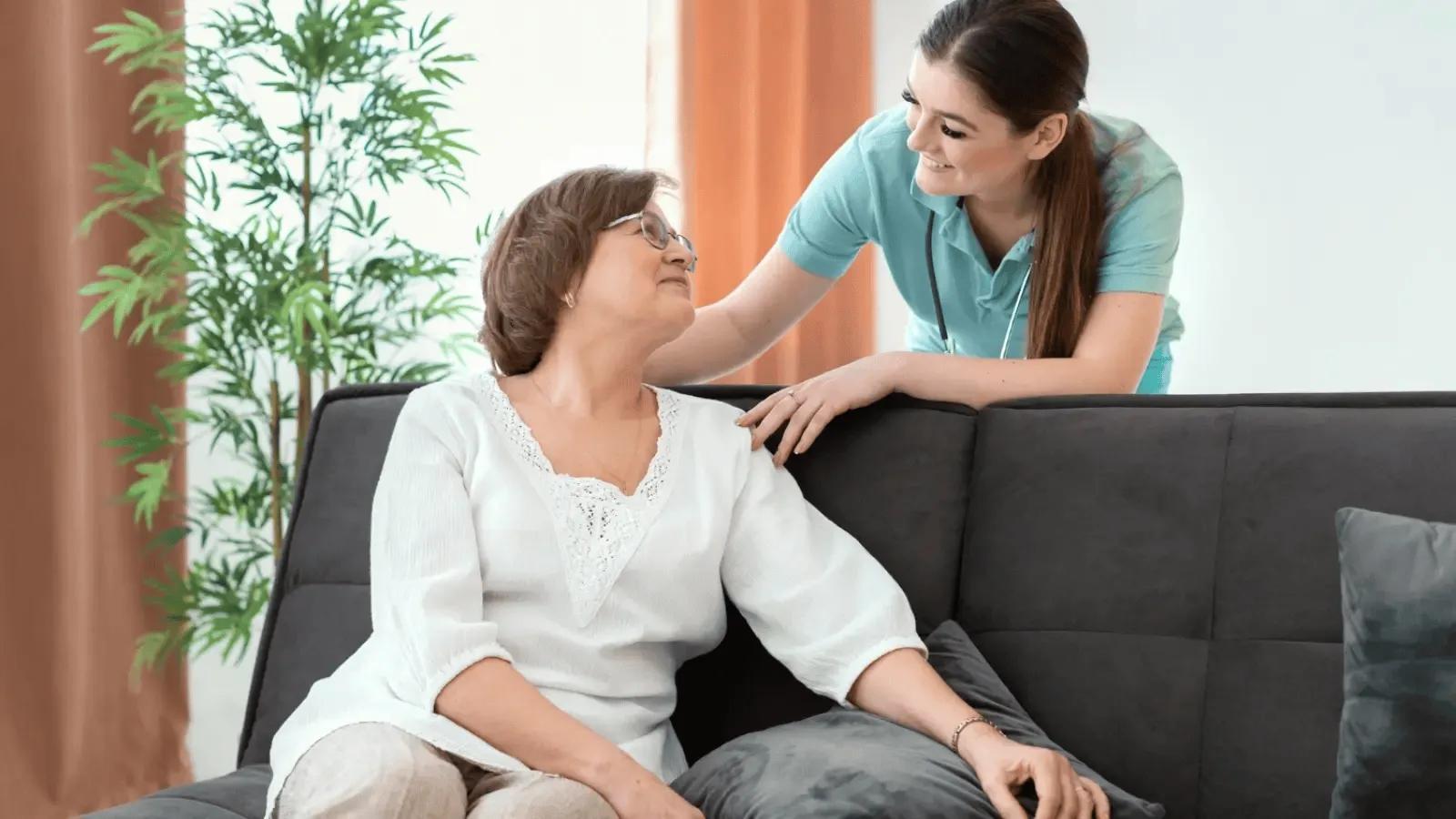
As people grow older, they may need additional support to manage medical conditions, maintain mobility, and complete everyday activities. Home Nursing Services provide professional nursing assistance for seniors who need care at home, helping them follow their prescribed treatment plans while maintaining comfort, dignity, and independence wherever possible. With the right support, older adults can receive appropriate healthcare without unnecessarily disrupting their familiar routines.
Doctor At Home In Dubai is another convenient healthcare option for seniors who need a medical consultation at home. A doctor can assess symptoms, review existing treatment, and recommend further care when necessary. This can be particularly helpful for older adults who find travelling to a clinic physically challenging.
Why Seniors May Need Home Nursing Services
Ageing affects individuals differently. Some older adults remain independent, while others develop conditions that require regular medical attention or assistance with daily living.
Mobility limitations, chronic illnesses, recovery after surgery, and difficulties managing multiple medications can make everyday healthcare more complicated. Family members may also struggle to provide all the required assistance while managing their own responsibilities.
Home Nursing Services can help address these challenges by providing care tailored to an older person's health condition and personal needs. Depending on the care plan, support may include prescribed nursing procedures, health monitoring, medication assistance, and recovery care.
The appropriate level of support should be determined according to the senior's medical needs and guidance from their healthcare professional.
Benefits of Home Nursing Services for Seniors
Comfort in Familiar Surroundings
Many older adults prefer remaining in their own homes because they are familiar with their surroundings, belongings, and daily routines. Receiving suitable nursing care at home can help them maintain these routines while receiving necessary assistance.
A familiar environment may also make it easier for family members to participate in care and provide companionship. However, the home must be suitable for the patient's condition and safety requirements.
Personalised Nursing Attention
Every senior has different healthcare needs. One person may need assistance with prescribed medication, while another may require wound care or monitoring during recovery.
Professional nursing care can be arranged according to the patient's medical instructions, mobility, and daily routine. This helps families understand what support is needed and how it should be delivered.
Support for Independent Living
Needing assistance does not mean an older adult must lose all independence. Appropriate nursing and personal care can help seniors continue performing activities they can safely manage themselves.
A nurse can support the patient's care plan while respecting personal preferences and encouraging participation in everyday activities. Any mobility or exercise recommendations should follow professional guidance.
Medical Support Available Through Home Nursing Services
Medication Assistance and Monitoring
Older adults may take several prescribed medicines to manage different conditions. Keeping track of schedules and instructions can become difficult, particularly when prescriptions change.
A qualified nurse may assist with or administer prescribed medicines when authorised and within the applicable professional scope. The nurse can also report concerns about side effects, missed doses, or difficulties following the medication plan.
Families should maintain an updated medication list and inform the healthcare team about allergies or recent treatment changes. Medication doses should never be adjusted without appropriate medical advice.
Wound Care and Postoperative Support
Some seniors need nursing care after surgery, an injury, or a hospital admission. Depending on their needs, this may include prescribed dressing changes, wound observation, and assistance following discharge instructions.
Home Nursing Services can provide wound care when it is included in the service and performed by an appropriately qualified nurse. Increasing redness, swelling, unusual discharge, fever, or worsening pain should be reported promptly to a healthcare professional.
Monitoring Chronic Health Conditions
Conditions such as diabetes, hypertension, heart disease, and respiratory illnesses may require ongoing monitoring and medical follow-up.
Depending on the care plan, a nurse may record blood pressure, pulse, blood glucose, or other relevant measurements. Changes can be communicated to the treating clinician for further assessment.
Home monitoring supports ongoing care but does not replace regular medical appointments, diagnostic tests, or emergency treatment.
Assistance With Daily Activities
Some seniors need help with bathing, dressing, personal hygiene, or moving safely around the home. The type of support required depends on the person's physical abilities and medical condition.
A nurse or appropriately trained caregiver can provide assistance within their role. Families should confirm whether personal care is included in the nursing service or requires a separate arrangement.
Maintaining a safe home environment is also important. Clear walkways, adequate lighting, accessible bathroom facilities, and suitable mobility aids can help reduce everyday difficulties. Equipment should be selected with appropriate professional advice, particularly for seniors with a history of falls.
Emotional Well-Being and Companionship
Older adults may experience loneliness or frustration when health problems affect their independence. Regular contact with family members and respectful communication from caregivers can help support their emotional well-being.
Professional nursing care should consider the patient's preferences, concerns, and need for privacy. Nurses can explain procedures clearly and encourage seniors to participate in decisions about their care.
Although nursing support can provide reassurance, persistent emotional distress should be discussed with an appropriate healthcare professional.
How Families Can Choose the Right Home Nursing Services
Selecting a suitable provider requires careful consideration of qualifications, patient safety, and the type of care required.
Verify Professional Qualifications
Ask about the nurse's qualifications, relevant experience, and applicable professional licence. Seniors with complex medical conditions may need a nurse who has experience with their specific care requirements.
Confirm that the provider complies with relevant healthcare regulations and that clinical procedures are performed by appropriately qualified professionals.
Discuss the Senior's Needs
Before care begins, share the patient's medical history, current medicines, allergies, mobility limitations, and instructions from the treating doctor.
The provider should explain the proposed care plan, visit schedule, nursing duties, and process for communicating health concerns. This helps families understand what to expect and whether additional support may be necessary.
Review Availability and Costs
Ask about visit frequency, service hours, included procedures, and additional charges. Families should also understand how the provider handles schedule changes or staff availability.
A clear agreement can help avoid misunderstandings and ensure that the chosen service fits the senior's needs and the family's budget.
When Should Families Arrange Home Nursing Services?
Home Nursing Services may be appropriate for seniors who need regular nursing procedures, assistance after hospital discharge, medication support, or monitoring for long-term medical conditions.
Some older adults need occasional visits, while others require more frequent assistance. A healthcare professional can help determine the appropriate arrangement based on the patient's condition and safety requirements.
If a senior experiences severe breathing difficulty, chest pain, sudden confusion, uncontrolled bleeding, or another potentially life-threatening symptom, seek emergency medical assistance immediately rather than waiting for a home visit.
Conclusion
Providing appropriate care for older adults involves understanding their medical needs, respecting their preferences, and maintaining a safe environment. Home Nursing Services can help seniors receive professional nursing support for medication routines, wound care, chronic conditions, and recovery while remaining at home when suitable.
Families can make better-informed decisions by checking professional qualifications, establishing a clear care plan, and maintaining communication with the treating healthcare team. The goal is to support seniors with safe, respectful, and personalised care that promotes comfort and independence.