

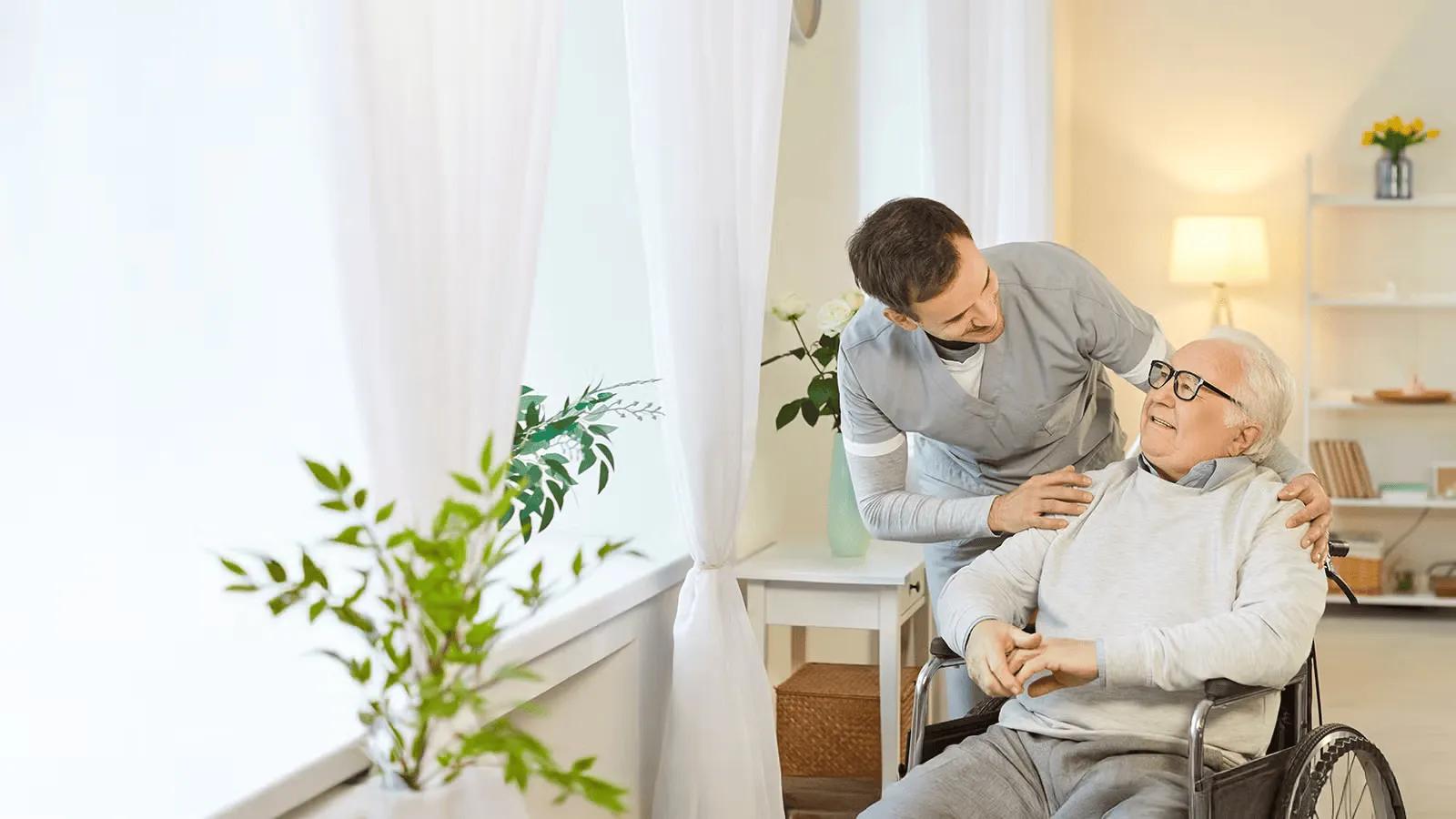
Receiving medical support at home can be convenient for patients who need ongoing care, assistance during recovery, or help managing a long-term condition. However, safety must remain a priority throughout the process. Home Nursing Services provide professional nursing assistance based on a patient's medical needs, helping support prescribed care routines, monitor relevant health changes, and maintain appropriate hygiene practices.
When a patient needs a medical assessment at home, Doctor At Home In Dubai may also be an option to consider. A qualified doctor can evaluate symptoms, review the patient's condition, and recommend suitable treatment or further medical attention when necessary.
Why Safety Matters in Home Nursing Services
Home healthcare takes place outside a hospital environment, so the care provider must consider the patient's medical needs as well as the safety of the home. Factors such as medication management, infection prevention, mobility, equipment use, and communication can influence the quality of care.
A personalized care plan helps identify potential risks and explains how nursing tasks should be performed. It should be based on a professional assessment and reviewed when the patient's condition or treatment changes.
Home nursing is appropriate only when the patient's needs can be managed safely at home. Some conditions require hospital treatment or continuous specialist supervision.
Infection Prevention During Home Nursing
Maintaining Proper Hand Hygiene
Hand hygiene is an essential part of safe nursing care. Nurses should clean their hands at appropriate times before and after patient contact and when handling medical equipment or performing nursing procedures.
Patients and family caregivers should also understand basic hand hygiene practices, particularly when assisting with wound care, personal hygiene, or other activities involving direct contact.
Using Appropriate Protective Equipment
Depending on the procedure and the risk of exposure, a nurse may need gloves, masks, or other protective equipment. These items should be selected and used according to professional guidance and infection-prevention requirements.
Protective equipment does not replace proper hand hygiene or safe handling of medical supplies.
Keeping the Care Area Clean
The area used for nursing procedures should be clean, well-lit, and organized. Supplies should be stored appropriately, and used dressings or other waste should be handled according to applicable safety requirements.
Patients with wounds or weakened immune systems may need additional precautions based on advice from their healthcare team.
Safe Medication Management
Following Prescribed Instructions
Medication errors can occur when patients have multiple prescriptions or when treatment instructions change. Home Nursing Services may include support with prescribed medication routines within the nurse's professional scope.
The nurse should follow the current instructions from the responsible prescriber and clarify any uncertainty before proceeding. Patients should never change a medication dose or stop a prescribed medicine without appropriate medical guidance.
Checking for Possible Side Effects
Patients may experience side effects or unexpected reactions to medication. A nurse can observe relevant symptoms, document concerns, and communicate them to the treating healthcare professional.
Severe allergic reactions, difficulty breathing, collapse, or other potentially life-threatening symptoms require immediate emergency assistance.
Keeping Medicines Organized
Medicines should be stored according to their labels and specific storage instructions. Keep them away from children and people who may accidentally take them.
Maintain an updated medication list that includes prescribed medicines, relevant allergies, and any recent changes communicated by the healthcare team.
Preventing Falls and Other Home Accidents
Keeping Walkways Clear
Patients recovering from illness or surgery may experience weakness, dizziness, or reduced mobility. Loose rugs, trailing cables, clutter, and poor lighting can increase the risk of falls.
Keep frequently used items within reach and ensure that the route between the bed, bathroom, and other commonly used areas is as safe as possible.
Using Mobility Aids Correctly
Some patients need walkers, wheelchairs, transfer aids, or other equipment. The suitability of these devices should be assessed according to the patient's abilities and medical condition.
Patients and family members should receive appropriate instructions before attempting transfers or mobility tasks that could cause injury.
Supporting Safe Positioning
Patients who spend extended periods in bed may need assistance with positioning and pressure injury prevention. A nurse can recommend suitable positioning techniques and support surfaces based on the patient's condition.
The schedule and method of repositioning should reflect individual clinical needs rather than follow the same routine for every patient.
Monitoring Health Changes
Regular monitoring may be part of a patient's care plan. Depending on the condition, a nurse may measure blood pressure, temperature, pulse, blood glucose, oxygen saturation, or other relevant indicators.
The nurse may also observe changes in breathing, alertness, pain, appetite, or mobility. These observations can help identify concerns that need further assessment.
However, monitoring cannot detect every complication or guarantee that deterioration will be prevented. New or worsening symptoms should be communicated to the appropriate healthcare professional even when measurements appear normal.
Protecting Patient Privacy and Dignity
Safety also includes protecting the patient's privacy and treating them respectfully. Nurses should explain procedures, obtain appropriate consent, and handle personal and medical information responsibly.
Patients should be involved in decisions about their care whenever possible. Their preferences regarding personal routines, communication, and family involvement should be considered within the requirements of safe clinical practice.
Families should feel comfortable asking questions about the care plan, the procedures being performed, and the qualifications of the professionals providing support.
Choosing a Safe and Reliable Home Nursing Provider
Selecting a qualified provider is an important step in preventing avoidable risks. Confirm that the provider is appropriately licensed to deliver the intended services in Dubai and that the assigned nurse has the necessary qualifications.
Ask how the provider assesses patients, documents nursing visits, handles medication-related concerns, and coordinates with treating doctors. Clarify which procedures are available, what equipment may be needed, and how urgent concerns are managed outside scheduled visits.
A responsible provider should explain the limitations of home nursing and advise when a patient needs a different level of medical care.
Preparing for the First Home Nursing Visit
Before the first visit, organize the patient's medical reports, current prescriptions, allergy information, and relevant test results. Make sure the nurse has a clean, well-lit space for the planned procedures.
Inform the provider about mobility limitations, medical equipment, recent symptoms, and any specific care instructions from the treating doctor. Family members should also know whom to contact if questions arise between visits.
Clear preparation helps the nurse understand the patient's circumstances and follow the agreed care plan more effectively.
When Is Emergency Medical Care Necessary?
Home nursing supports patients whose needs can be managed appropriately at home, but it cannot replace emergency treatment.
Severe breathing difficulty, chest pain, loss of consciousness, heavy bleeding, or sudden weakness may indicate a medical emergency. Contact local emergency services immediately rather than waiting for a nurse or routine appointment.
For other symptoms that are worsening, contact the treating healthcare professional promptly and follow the advice provided.
Conclusion
Patient safety is central to effective Home Nursing Services. Proper hygiene, medication management, fall prevention, appropriate monitoring, and respectful communication all contribute to safer care at home.
Before arranging nursing support, confirm the provider's credentials and discuss the patient's needs with a qualified healthcare professional. A personalized care plan, clear responsibilities, and suitable follow-up arrangements can help patients and families manage home healthcare more confidently.