

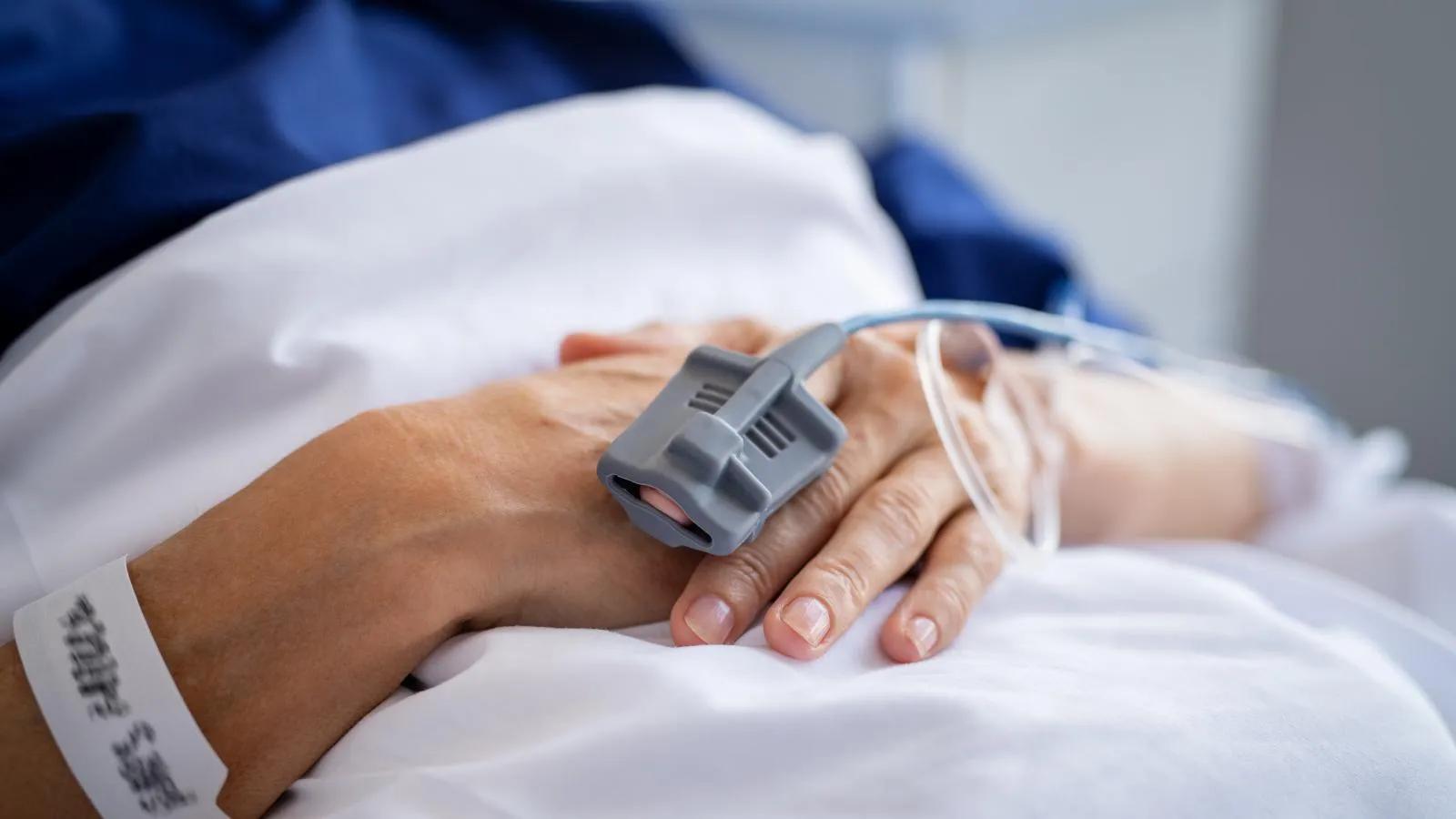
Preparing for medical treatment at home can help patients feel more comfortable and understand what to expect. An IV Drip at Home involves administering prescribed fluids or medications directly into a vein through a small catheter. When a qualified doctor determines that intravenous treatment is necessary, receiving it at home may offer convenience for patients whose condition is suitable for home-based care.
Patients who need professional medical assessment can also explore Doctor At Home In Dubai services for healthcare guidance. A qualified doctor can review symptoms, medical history, and current medications before deciding whether an IV drip is appropriate or whether another treatment option is safer.
Understand Why You Need an IV Drip at Home
Before arranging an IV Drip at Home, it is important to understand the medical reason for the treatment. IV fluids may be recommended when a patient cannot drink enough fluids or when oral hydration is not sufficient for their clinical needs.
Dehydration caused by vomiting, diarrhea, fever, or other illnesses may sometimes require intravenous fluid replacement. However, mild dehydration can often be managed by drinking water or an appropriate oral rehydration solution.
A doctor should explain the purpose of the treatment, the type of fluid being prescribed, and the expected benefits. IV therapy should not be arranged simply as a general energy booster or wellness treatment without medical assessment.
Step 1: Schedule a Medical Assessment
The first step is to arrange an assessment with a qualified healthcare professional. This helps determine whether home IV treatment is appropriate for your condition.
During the consultation, the doctor may ask about your symptoms, how long they have been present, and whether you have experienced vomiting, diarrhea, fever, or reduced fluid intake.
Discuss Your Medical History
Share information about existing medical conditions, previous IV treatments, allergies, and current medications. This information is particularly important for people with kidney disease, heart conditions, or disorders affecting fluid balance.
Ask About the Prescribed Treatment
Patients should understand why the doctor recommends intravenous fluids and whether oral hydration could be sufficient. You can also ask about the prescribed solution, infusion rate, possible side effects, and follow-up requirements.
Step 2: Choose a Qualified Home Healthcare Provider
Selecting a professional provider is essential for safe treatment. IV administration requires appropriate training, sterile equipment, and knowledge of possible complications.
Before booking, confirm that the service uses appropriately licensed healthcare professionals and follows applicable local healthcare requirements.
Verify Professional Qualifications
Ask whether the person administering the IV treatment is appropriately trained and licensed. The provider should be able to explain the medical assessment process and how patients are monitored during treatment.
Confirm Safety Procedures
A professional service should use sterile, single-use equipment where appropriate and follow proper infection-control practices. It should also explain what happens if a patient develops an unexpected reaction.
Understand the Appointment Details
Confirm the appointment time, the treatment plan, and any instructions provided by the healthcare professional. Patients should avoid providers that promise guaranteed energy improvements or instant recovery without clinical evidence.
Step 3: Prepare a Comfortable Treatment Area
If your doctor approves home treatment, preparing a suitable area can make the procedure more convenient.
Choose a clean, well-lit space where the healthcare professional can work comfortably. A chair or bed that allows you to remain relaxed during the infusion is generally helpful.
Keep the Area Clean
Remove unnecessary clutter and ensure that the healthcare professional has enough space for the medical equipment. Pets and other distractions should be kept away from the treatment area.
Arrange Comfortable Seating
Choose a position that allows your arm to rest comfortably during IV insertion and treatment. Keeping the arm supported can help reduce unnecessary movement of the catheter.
Step 4: Follow Instructions About Food and Fluids
Patients should follow the specific instructions provided by their healthcare professional before treatment. Most routine IV hydration procedures do not automatically require fasting, but certain treatments or medications may involve different preparation requirements.
If you can drink normally and have not been advised to restrict fluids, maintaining your usual hydration habits may be appropriate. Do not force yourself to drink excessive amounts of water before an infusion.
People with kidney disease, heart conditions, or prescribed fluid restrictions should follow their doctor's instructions carefully.
Step 5: Prepare Your Medical Information
Having relevant health information available can help the healthcare professional make appropriate decisions.
Keep a record of your current medications, allergies, medical conditions, and previous reactions to medical treatments. If you have recent laboratory results or medical reports relevant to the condition, make them available for review.
It is also useful to explain when your symptoms started and whether they have improved or worsened. Accurate information helps the healthcare professional assess your needs more effectively.
Step 6: Know What Happens During the Procedure
Understanding the treatment process can reduce uncertainty before your appointment.
IV Line Insertion
The healthcare professional cleans the selected area and inserts a small catheter into a suitable vein, usually in the hand or arm. The catheter is secured before the prescribed fluid is connected.
Fluid Administration
The IV solution is administered at the rate specified by the doctor. The duration depends on the fluid prescribed and the patient's medical requirements.
Patient Monitoring
The healthcare professional monitors the patient and checks the IV insertion site for swelling, redness, discomfort, or other unexpected reactions.
Patients should immediately report burning, unusual pain, dizziness, or swelling during the infusion.
Important Safety Precautions Before Treatment
An IV Drip at Home is not suitable for everyone. Patients with severe dehydration, unstable vital signs, or serious medical conditions may need hospital-based care instead.
Potential IV complications include bruising, infection, vein irritation, allergic reactions, fluid overload, and electrolyte disturbances. A proper medical assessment helps identify risks before treatment begins.
Confusion, fainting, chest pain, severe breathing difficulty, or signs of severe dehydration require urgent medical attention. Do not wait for a scheduled home appointment if these symptoms occur.
Aftercare Tips Following an IV Drip at Home
After treatment, follow the healthcare professional's instructions about hydration, medication, and further medical care.
Keep the IV insertion area clean and observe it for increasing redness, swelling, warmth, or pain. A small amount of tenderness or bruising may occur, but worsening symptoms should be medically assessed.
Continue drinking fluids according to your doctor's recommendations. Remember that an IV infusion does not remove the need for normal daily hydration or treatment of the underlying illness.
Conclusion
Preparing properly for an IV Drip at Home involves more than arranging an appointment. Patients should receive a medical assessment, choose a qualified provider, prepare a clean treatment area, and understand the procedure and its possible risks.
Professional supervision and individualized treatment are essential for safe intravenous hydration. By following medical advice and understanding important precautions, patients can make informed decisions about whether home-based IV treatment is appropriate for their needs.