

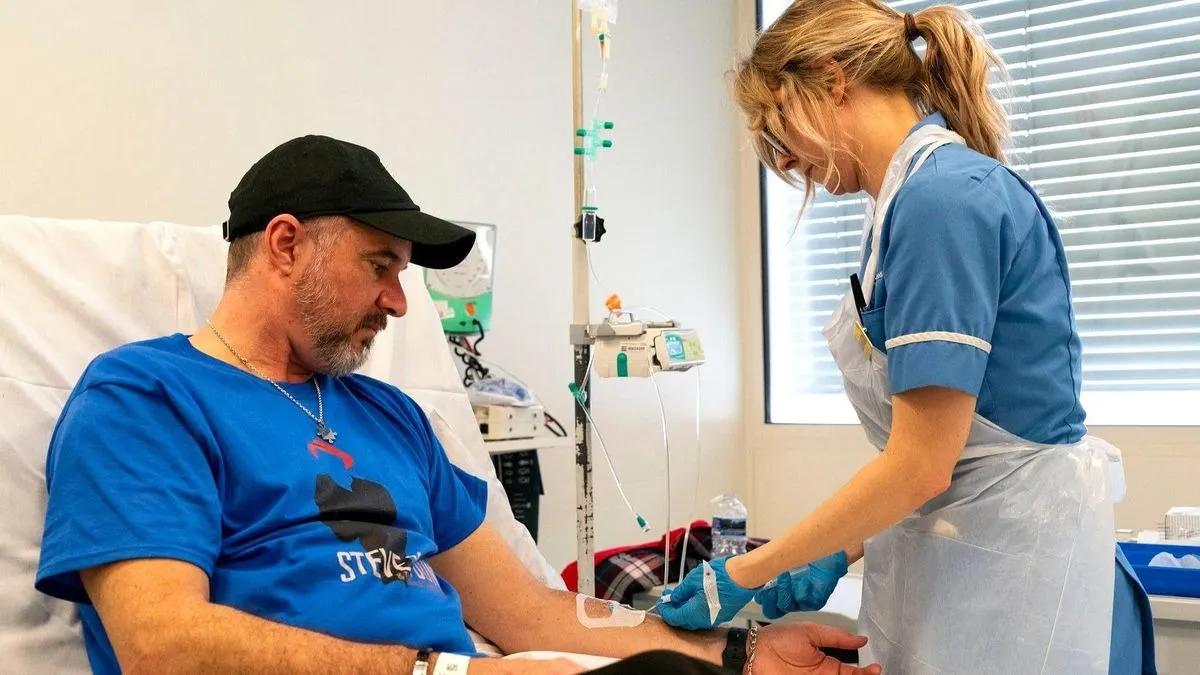
Preparing properly for a Blood Test At Home can help make the collection process smoother and reduce the risk of avoidable testing errors. Home blood collection allows patients to complete recommended laboratory investigations without travelling to a diagnostic centre. A qualified healthcare professional visits the patient's home, collects the sample, and arranges its transportation to a laboratory for analysis.
Before the appointment, patients should understand which tests have been requested and whether any preparation is necessary. Some blood tests require fasting, while others can be performed without it. Following the correct instructions is important because preparation requirements vary depending on the investigation.
Doctor At Home In Dubai services can also help patients understand their testing requirements. A doctor can review medical history, assess symptoms, and explain which investigations may be appropriate before arranging blood collection.
Confirm Which Blood Tests You Need
The first step is to confirm the exact blood tests requested by your healthcare professional. Different investigations measure different health indicators, so their preparation requirements may also differ.
For example, a complete blood count generally does not require fasting, while certain glucose or metabolic tests may require specific preparation. A lipid profile may also have particular instructions depending on the clinical purpose and laboratory guidance.
Patients should avoid ordering tests without understanding why they are needed. A healthcare professional can help select appropriate investigations based on symptoms, medical history, age, and risk factors.
Check Whether Fasting Is Required
Fasting is one of the most common questions patients have before a blood test. However, not every investigation requires an empty stomach.
If your doctor or laboratory requests a fasting test, follow the instructions carefully. You may be asked to avoid food and certain drinks for a specified period. Plain water is often permitted, but you should confirm this with the laboratory.
Do not fast unnecessarily. Unneeded fasting can cause discomfort and may be unsuitable for some people, particularly those with certain medical conditions or medicines that affect blood sugar.
If you are unsure whether your test requires fasting, contact the healthcare provider before the collection appointment.
Discuss Your Medicines With Your Doctor
Patients should inform their healthcare professional about all prescribed medicines, over-the-counter products, vitamins, and supplements they use. Some medicines can influence particular laboratory measurements.
However, patients should never stop prescribed medication or change a dose simply because they are having a blood test. Any adjustment should be made only when specifically advised by the treating clinician.
If you take blood-thinning medication, mention this before collection because it may affect the precautions needed after the blood sample is taken.
Stay Hydrated Before Your Appointment
Drinking enough water can help you remain comfortable before blood collection. Unless your doctor or laboratory provides different instructions, plain water is generally allowed during fasting for many common blood tests.
Being adequately hydrated may also make it easier for the healthcare professional to locate a suitable vein. However, patients should not drink excessive amounts of water immediately before testing.
Avoid assuming that all beverages are acceptable during fasting. Tea, coffee, juice, and other drinks may affect certain test results or break the fasting period.
Choose a Suitable Time for Home Blood Collection
Scheduling your Blood Test At Home appointment at a convenient time can help you prepare without unnecessary stress. If fasting is required, a morning appointment may be easier for some patients because much of the fasting period can take place overnight.
However, the correct appointment time depends on the test instructions and your daily routine. Some investigations have specific timing requirements, so always follow the guidance provided by your doctor or laboratory.
When booking, provide accurate contact information and explain any special requirements, such as mobility difficulties or previous problems during blood collection.
Prepare Your Home for the Collection Visit
A clean, comfortable space can help the healthcare professional complete the procedure efficiently. Choose an area with adequate lighting and enough room for the collection equipment.
Keep your test request, identification, and relevant medical information nearby. If you have a history of fainting, difficult blood collection, or bleeding problems, inform the professional before the procedure begins.
It may also be helpful to wear clothing that allows easy access to your upper arm. Loose sleeves can make the process more comfortable.
What Happens During Blood Test At Home?
A professional home blood collection appointment usually begins with confirmation of the patient's identity and requested investigations. The healthcare worker then prepares the equipment and follows appropriate hygiene procedures.
The collection site is cleaned, and a suitable vein is selected. A sterile, single-use needle is used to collect the required amount of blood into the appropriate tubes.
After the sample is collected, pressure is applied to the puncture site to reduce bleeding. The sample containers are labelled correctly and prepared for transportation to the laboratory.
Patients may experience mild pain, temporary bruising, or dizziness. If you feel faint or uncomfortable, tell the healthcare professional immediately.
Important Safety Tips Before and After Collection
Professional blood collection should follow standard infection-prevention and safety procedures. The healthcare worker should perform hand hygiene, use appropriate protective equipment, and use sterile, single-use needles.
After collection, keep pressure on the puncture site as instructed. Avoid rubbing the area, and follow the collector's advice if you experience minor bruising or discomfort.
Patients who take blood thinners or have bleeding disorders should discuss these circumstances before the appointment. If bleeding continues despite applying firm pressure, seek medical advice.
Needles and other sharps must be placed in an appropriate sharps container by the healthcare professional. They should never be left in ordinary household waste.
What to Do After Your Blood Test
Once the collection is complete, ask when and how the laboratory report will be delivered. Processing times vary depending on the tests requested and laboratory arrangements.
You can usually return to your normal eating routine after a fasting test, unless your healthcare professional gives different instructions. If you experience mild dizziness, sit or lie down until you feel better.
When your report arrives, discuss the findings with your doctor. Laboratory reference ranges are not a complete diagnosis, and results must be interpreted in the context of your overall health.
Common Mistakes to Avoid Before a Blood Test
One common mistake is assuming that every blood test requires fasting. Another is changing prescribed medication without medical advice. Both can create unnecessary problems.
Patients should also avoid ignoring laboratory preparation instructions, providing incomplete medication information, or failing to mention previous fainting episodes.
Booking a collection without confirming the requested tests can also cause delays. Checking the test requirements in advance helps ensure that the correct equipment and preparation arrangements are available.
Conclusion
Preparing for a Blood Test At Home is straightforward when patients follow the instructions provided by their doctor or laboratory. Confirming the requested tests, checking fasting requirements, discussing medicines, and preparing a comfortable collection area can make the appointment easier.
Professional home collection offers convenience, but correct sample handling and laboratory processing remain essential. Always discuss your results with a qualified healthcare professional to understand what they mean for your health.