

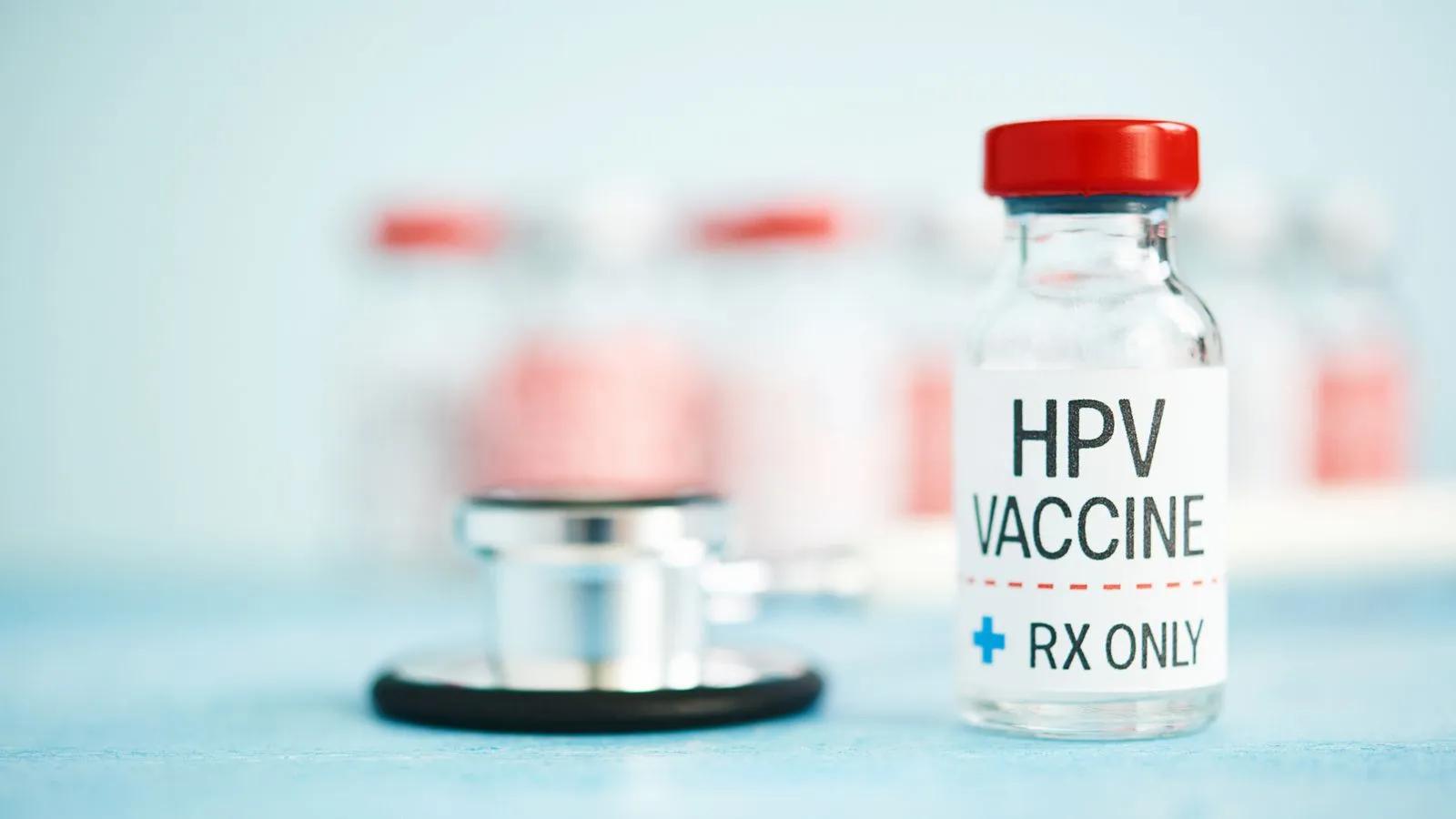
HPV Vaccine at Home offers a convenient way for eligible individuals to receive protection against certain types of human papillomavirus (HPV). HPV is a common virus that can cause genital warts and several types of cancer, including cervical cancer. Vaccination helps the immune system recognize specific HPV types and reduces the risk of developing diseases associated with them.
HPV vaccination is an important part of preventive healthcare, especially when administered at the recommended age and completed according to the appropriate schedule. Doctor At Home In Dubai may be a relevant option for individuals exploring home-based medical consultations and vaccination guidance. A qualified healthcare professional can review medical history, explain the recommended doses, and help determine whether vaccination is appropriate.
What Is HPV and Why Does Prevention Matter?
Human papillomavirus includes many different virus types. Some types can cause genital warts, while others are associated with cancers of the cervix, anus, penis, vulva, vagina, and parts of the throat. Many HPV infections clear naturally, but persistent infection with certain high-risk types can lead to cellular changes and eventually cancer.
Because HPV infections may not cause noticeable symptoms, people can carry and transmit the virus without knowing it. Preventive measures, including vaccination and recommended cancer screening, play an important role in reducing the health risks associated with HPV.
The HPV vaccine does not treat an existing infection. Instead, it helps prevent new infections from the HPV types covered by the vaccine.
Major Benefits of HPV Vaccine at Home
Protection Against Certain HPV-Related Cancers
One of the most important benefits of HPV vaccination is the reduced risk of developing several cancers linked to the virus. The vaccine protects against high-risk HPV types responsible for many cases of cervical cancer and contributes to preventing other HPV-related cancers.
Vaccination before exposure to HPV provides the greatest benefit. This is why routine vaccination is commonly recommended for preteens and catch-up vaccination is available for eligible older individuals.
Prevention of Genital Warts
Depending on the vaccine used, HPV vaccination can also protect against HPV types that cause most cases of genital warts. Preventing these infections can reduce the likelihood of developing uncomfortable symptoms and needing related medical treatment.
The level of protection depends on the vaccine received and the HPV types it covers. A healthcare professional can explain the benefits of the vaccine available in the relevant location.
Convenient Access to Preventive Healthcare
Receiving vaccination at home may reduce the need to travel to a clinic, making appointments more manageable for families and individuals with busy schedules. Home-based services may be particularly convenient for people who prefer receiving routine care in a familiar environment.
However, convenience should not replace medical screening or safe vaccine handling. Vaccines must be stored and administered according to the manufacturer's instructions and applicable healthcare standards.
Who Can Benefit From HPV Vaccination?
HPV vaccination is routinely recommended for preteens, often around ages 11–12, and can commonly begin at age nine. Individuals who missed vaccination at the recommended age may be eligible for catch-up vaccination during adolescence and young adulthood.
In many guidelines, catch-up vaccination is recommended through age 26 for people who have not been adequately vaccinated. Adults aged 27–45 may discuss possible benefits with a healthcare professional because vaccination is not routinely recommended for everyone in this age group.
Eligibility also depends on previous doses, medical history, immune status, and local recommendations. A professional assessment helps determine whether vaccination is appropriate.
Understanding the HPV Vaccine Schedule
The number of doses required depends mainly on the age when vaccination begins and whether the individual has certain immune-compromising conditions.
People who begin vaccination before their 15th birthday generally receive two doses, with an interval of six to twelve months. If the two doses are administered less than five months apart, an additional dose may be required under commonly used guidelines.
Individuals who begin vaccination on or after their 15th birthday generally need three doses over approximately six months. People with certain immune-compromising conditions may also require three doses, even if they begin at a younger age.
Following the recommended schedule is important for obtaining the intended protection. If a dose is delayed, the individual should contact a healthcare professional to determine how to complete the series.
Is HPV Vaccine at Home Safe?
HPV Vaccine at Home can be a suitable option when administered by a qualified healthcare professional following appropriate medical procedures. Before vaccination, the provider should review allergies, medical history, previous vaccine reactions, and existing vaccination records.
Common side effects include pain, redness, or swelling at the injection site. Some people may experience headache, tiredness, dizziness, or mild fever. These effects are generally temporary.
Fainting can occur after injections, so patients are generally advised to remain seated or lying down and be observed for around 15 minutes after vaccination. Anyone with a history of a severe allergic reaction to a previous dose or vaccine ingredient should inform the provider before vaccination.
HPV vaccination is generally postponed during pregnancy as a precaution. Remaining doses can usually be completed after pregnancy following professional guidance.
Why Early Vaccination Is Important
HPV vaccination provides the greatest benefit when given before exposure to the virus. Vaccinating during the recommended age range allows the immune system to develop protection before potential exposure and helps reduce future risks associated with HPV.
Parents and caregivers can discuss vaccination with a qualified healthcare professional and keep records of each dose. Early planning also helps families complete the recommended schedule without unnecessary delays.
Although vaccination provides important protection, it does not eliminate every risk associated with HPV. Individuals who are eligible for cervical cancer screening should continue following the recommended screening schedule.
How to Prepare for a Home Vaccination Appointment
Before the appointment, gather previous vaccination records and prepare details about allergies, medicines, and relevant medical conditions. Wear clothing that allows easy access to the upper arm, where the vaccine is commonly administered.
Confirm that the provider is qualified, the vaccine is available, and suitable arrangements are in place for safe storage and administration. Ask for written vaccination documentation after the appointment and keep it available for future medical visits.
Conclusion
HPV Vaccine at Home can make preventive vaccination more convenient while helping eligible individuals protect themselves against certain HPV-related cancers and genital warts. The vaccine offers the greatest benefit when administered at the recommended age and completed according to the appropriate schedule.
Consult a qualified healthcare professional to confirm eligibility, understand the required doses, and discuss potential side effects. Combining HPV vaccination with recommended screening and regular preventive healthcare can support better long-term health.