

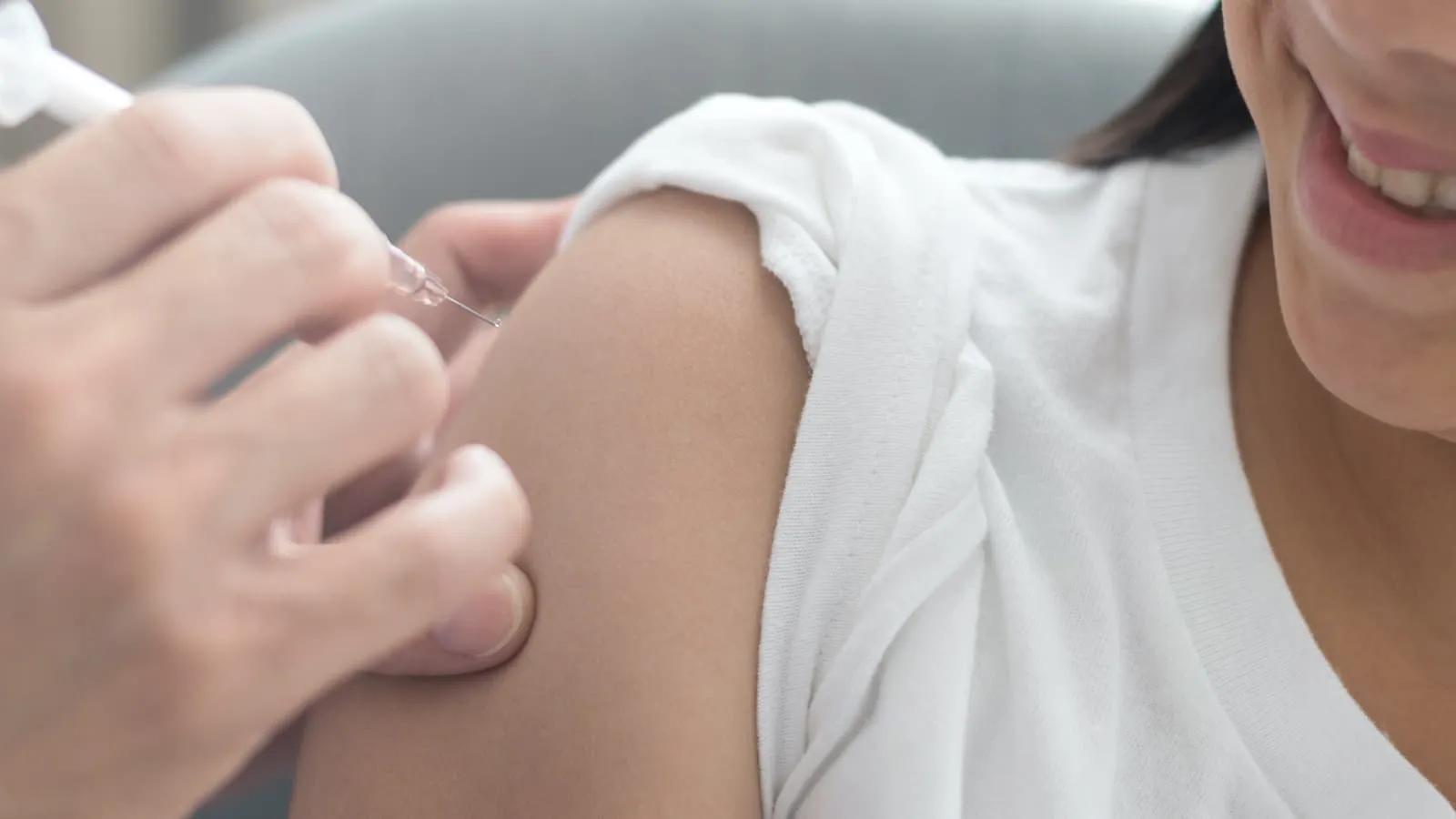
HPV Vaccine at Home offers eligible adolescents a convenient way to receive protection against certain types of human papillomavirus (HPV). Vaccination during the recommended age range helps build protection before exposure to the virus, which can cause cervical cancer, certain other cancers, and genital warts. By arranging vaccination through an authorised home healthcare provider, families may be able to access professional preventive care in a comfortable and familiar setting.
Doctor At Home In Dubai services may help eligible families arrange professional healthcare appointments at home, depending on local regulations and availability. A qualified healthcare professional can review an adolescent's vaccination history, assess eligibility, explain the procedure, and provide guidance about follow-up doses.
Why Is HPV Vaccination Important for Adolescents?
Adolescence is an important stage for preventive healthcare. Recommended vaccinations help protect young people from infections that may cause health problems later in life. HPV vaccination is particularly valuable because persistent infection with certain HPV types can lead to cancer years after the initial infection.
The HPV vaccine helps prevent new infections from the HPV types it targets. It is most effective when given before exposure to the virus, which is why many immunisation programmes recommend vaccination during early adolescence.
Supporting Long-Term Health
HPV vaccination can reduce the risk of cervical cancer and certain other HPV-related cancers. Depending on the vaccine, it can also protect against HPV types responsible for most genital warts.
The vaccine does not treat an existing HPV infection or guarantee protection against every HPV type. Nevertheless, receiving it at the recommended age is an important step in long-term disease prevention.
Helping Parents Make Informed Decisions
Parents and guardians may have questions about vaccine safety, the recommended age, or the number of doses required. A qualified healthcare professional can explain the benefits and limitations of vaccination and help families understand local immunisation recommendations.
Providing age-appropriate information can also help adolescents feel more comfortable and understand why the vaccine is recommended.
Benefits of HPV Vaccine at Home for Adolescents
Convenient Access to Preventive Care
One benefit of HPV Vaccine at Home is that eligible adolescents may receive vaccination without travelling to a clinic. This can make appointment planning easier for families balancing school, work, and other commitments.
Home vaccination is not available everywhere, so families should confirm that the provider is authorised to administer vaccines and follows applicable regulations.
Professional Assessment and Guidance
Before administering the vaccine, the healthcare professional should review medical history, vaccination records, allergies, and previous vaccine reactions. This assessment helps determine eligibility and identify any precautions.
The provider should also explain possible side effects, document the vaccine dose, and advise when any remaining doses are due.
A Familiar Environment
Some adolescents feel anxious about injections or unfamiliar healthcare settings. Receiving vaccination at home may help them feel more comfortable, provided the appointment is managed by a qualified professional.
Adolescents should be seated or lying down during vaccination because fainting can occur around injections. The provider should recommend an appropriate observation period afterward.
Who Should Receive the HPV Vaccine?
HPV vaccination is routinely recommended for preteens and adolescents in many countries. The specific recommended age and schedule depend on local immunisation guidelines.
Eligible older teenagers who have not received the vaccine may also benefit from catch-up vaccination. A healthcare professional can review age, previous doses, immune status, and other relevant factors before making a recommendation.
Individuals with a history of a severe allergic reaction to an HPV vaccine or its ingredients should discuss this with their healthcare professional before vaccination.
Understanding the HPV Vaccine Schedule
The number of doses depends on the age at which vaccination begins, immune status, and the applicable guidelines.
In many vaccination programmes, adolescents who begin the series before age 15 receive two doses. Those who start at age 15 or older and certain immunocompromised individuals generally require three doses.
The healthcare professional should confirm the correct interval between doses and provide a clear vaccination record. If an appointment is missed, the series generally does not need to be restarted. The provider can explain how to continue the schedule.
Is HPV Vaccine at Home Safe for Teenagers?
HPV vaccines have been extensively studied and are considered safe and effective for eligible individuals. Most side effects are mild and temporary.
Common reactions include pain, redness, or swelling at the injection site. Headache, fatigue, mild fever, and dizziness can also occur. These symptoms generally improve without specific treatment.
Important Safety Precautions
Fainting can occur around vaccination, particularly among adolescents. Remaining seated or lying down during the injection and following the recommended observation period can help reduce the risk of injury.
Severe allergic reactions are rare but require emergency medical attention. Difficulty breathing or swelling of the face or throat should never be ignored. The provider should have appropriate arrangements for responding to serious reactions.
How Parents Can Prepare for an Adolescent's Appointment
Before an HPV Vaccine at Home appointment, parents should locate the adolescent's vaccination records and share relevant medical information with the provider. Known allergies, previous vaccine reactions, immune system conditions, and current health concerns should be disclosed.
Parents should ensure that any required consent is completed according to local regulations. Adolescents should have the opportunity to ask questions and understand the procedure.
The healthcare professional should confirm eligibility, administer the vaccine according to approved instructions, record the dose, and explain aftercare and follow-up requirements.
Does HPV Vaccination Replace Cervical Cancer Screening?
No. HPV vaccination helps prevent infections caused by selected HPV types, but it does not prevent every infection that may lead to cervical cancer.
When adolescents grow into adulthood, those with a cervix should follow recommended cervical cancer screening guidelines according to their age, medical history, and local recommendations. Vaccination and screening are complementary measures that help reduce the risk of cervical cancer.
Choosing a Qualified Home Vaccination Provider
When arranging HPV Vaccine at Home, families should choose an authorised provider who uses approved vaccines and follows proper storage, transport, and administration procedures. The provider should assess medical history, explain possible side effects, maintain accurate vaccination records, and provide clear aftercare instructions.
Families should also ask about the observation period and emergency arrangements. A trustworthy provider will explain the vaccine's benefits and limitations without claiming it treats an existing HPV infection or provides complete protection against all HPV types.
Conclusion
HPV Vaccine at Home for adolescent health can provide a convenient way for eligible teenagers to receive preventive vaccination with professional guidance. Understanding the recommended age, dose schedule, safety precautions, and follow-up requirements helps families make informed decisions about long-term health.
HPV vaccination can substantially reduce the risk of certain HPV-related diseases, including cervical cancer, but it does not replace recommended cervical cancer screening later in life. Consult a qualified healthcare professional to confirm eligibility and determine the appropriate vaccination schedule.