

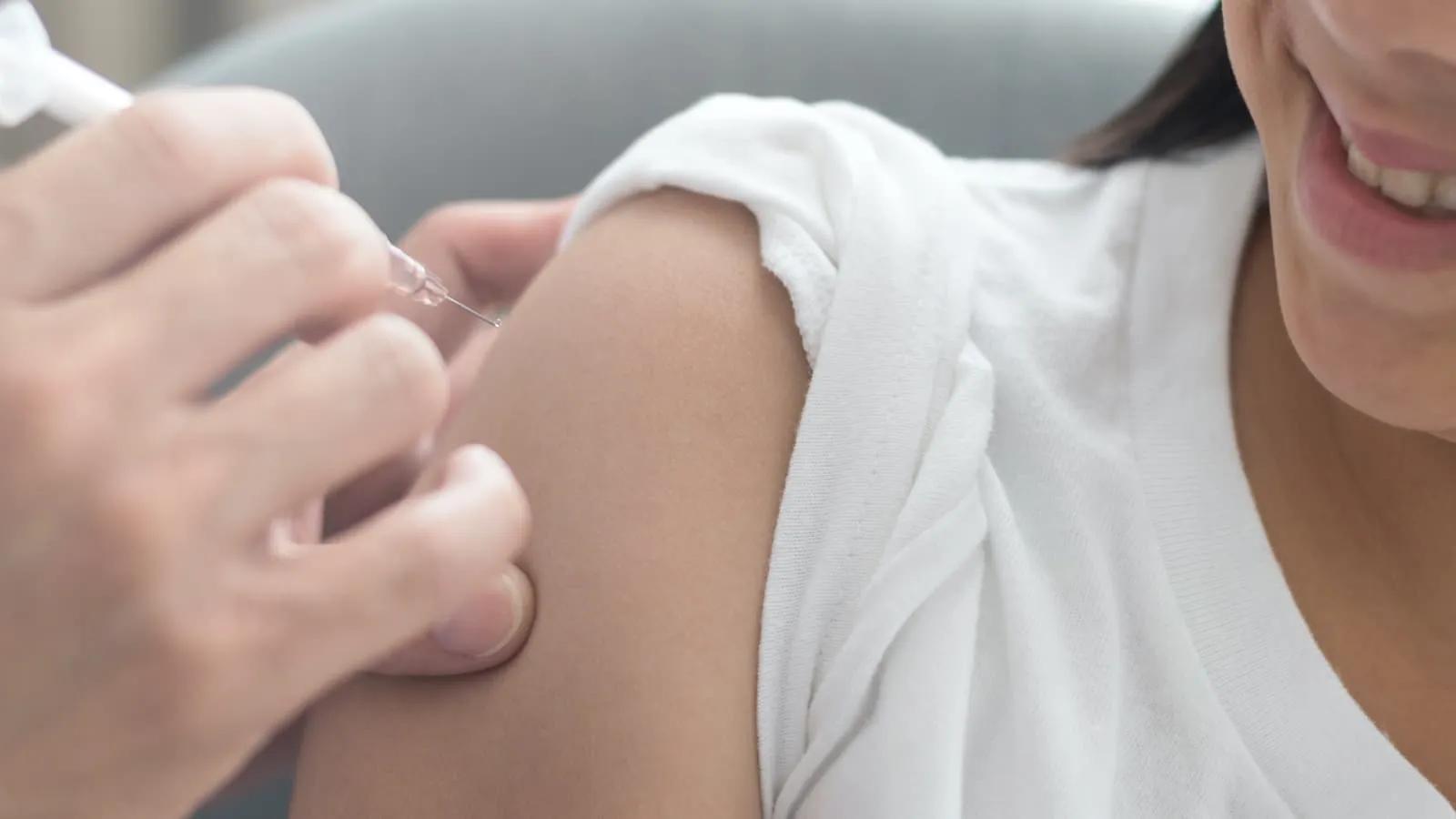
HPV Vaccine at Home provides a convenient option for eligible individuals who want to receive human papillomavirus vaccination without travelling to a healthcare facility. HPV is a common virus associated with several health conditions, including genital warts and certain types of cancer. Vaccination can help prevent infections caused by important HPV types, making it an essential part of preventive healthcare for eligible age groups.
Doctor At Home In Dubai services may help patients access selected healthcare services in a familiar environment. Depending on the provider, this may include a medical assessment and vaccination by a qualified healthcare professional. Before arranging an appointment, patients should confirm their eligibility, vaccine availability, and the provider's authorisation to administer vaccines at home.
Understanding HPV and Its Health Risks
Human papillomavirus is a group of viruses that can affect the skin and mucous membranes. Many HPV infections cause no symptoms and clear naturally. However, some infections can persist and contribute to health problems over time.
Certain HPV types are associated with cervical cancer and cancers of the anus, penis, vulva, vagina, and oropharynx. Other types can cause genital warts. Because an HPV infection may remain unnoticed for years, prevention through vaccination is particularly valuable.
The HPV vaccine helps protect against the virus types included in the vaccine. It works best when given before exposure to HPV, which is why routine vaccination is commonly recommended during early adolescence. Although vaccination significantly reduces the risk of HPV-related disease, it does not prevent every HPV infection or eliminate the need for recommended cervical screening.
Who Is Eligible for HPV Vaccine at Home?
Adolescents and Young People
Adolescents are a key group for HPV vaccination because protection is most beneficial before exposure to the virus. Many national immunisation programmes recommend routine vaccination around ages 11–12, although the recommended starting age can vary by country.
Parents and guardians can discuss the appropriate schedule with a qualified healthcare professional. If a young person has missed a recommended dose, a healthcare professional can explain how to catch up according to the applicable guidelines.
Adults Who Missed Earlier Vaccination
Adults who did not receive HPV vaccination during adolescence may still be eligible. However, the potential benefit depends on factors such as age, previous vaccination, likely prior exposure, and local recommendations.
Eligibility should not be determined by age alone without considering the applicable guidance. A healthcare professional can review the patient's circumstances and explain whether vaccination is recommended or likely to provide a benefit.
People With Weakened Immune Systems
People with certain immune-system conditions may need additional consideration when planning HPV vaccination. Depending on their circumstances and the applicable guidelines, they may require a three-dose schedule.
Patients should tell the healthcare professional about immune-system disorders, immune-suppressing medicines, or other significant medical conditions before vaccination. This information helps the provider determine the appropriate approach.
When Might HPV Vaccination Need to Be Postponed?
Pregnancy
HPV vaccination is generally postponed until after pregnancy. If someone discovers they are pregnant after receiving a dose, they should discuss the situation with their healthcare professional. An inadvertently administered dose is not, by itself, generally considered a reason for alarm.
Previous Severe Allergic Reactions
Anyone who has experienced a severe allergic reaction to a previous HPV vaccine dose or a relevant vaccine component needs medical assessment before another dose is considered. The healthcare professional should review the history and determine whether vaccination is appropriate.
Moderate or Severe Acute Illness
A moderate or severe illness may be a reason to delay vaccination until the patient has recovered. A mild illness does not always require postponement, but the decision should be made according to clinical guidance.
Patients should describe their symptoms honestly before the appointment so the healthcare professional can determine the safest timing.
How HPV Vaccine at Home Appointments Work
Initial Booking and Assessment
The process begins by contacting a provider that offers home vaccination. Patients should ask about the vaccine, appointment availability, total charges, and eligibility requirements.
When booking HPV Vaccine at Home, provide accurate information about the patient's age, previous doses, medical history, and allergies. This helps the healthcare professional prepare for the assessment and identify any issues that need further review.
Reviewing Vaccination Records
Before administering the vaccine, the healthcare professional should review available vaccination records. Previous doses matter because they influence the schedule and help prevent unnecessary repeat vaccinations.
If records are unavailable, explain this to the provider rather than guessing about the number or dates of previous doses. The healthcare professional can advise how to proceed.
Vaccine Administration
The HPV vaccine is generally administered as an injection into a muscle, usually in the upper arm. A qualified healthcare professional should use sterile, single-use equipment and follow appropriate infection-control procedures.
The vaccine must be stored and transported according to its approved temperature requirements. Patients arranging home vaccination should confirm that the provider has appropriate procedures for maintaining vaccine quality throughout the process.
Observation and Documentation
After the injection, patients are commonly advised to remain seated and be observed for around 15 minutes, following the healthcare professional's instructions. This helps manage dizziness or fainting and allows the provider to respond if an immediate reaction occurs.
The provider should document the vaccine details, administration date, and any required follow-up doses. Keeping this record helps patients maintain an accurate vaccination history.
Understanding the HPV Vaccine Schedule
The number of doses required depends on the patient's age when vaccination begins, immune status, and the applicable national guidelines.
Many vaccination programmes recommend two doses for people who begin the series before age 15. Those starting at an older age and some individuals with weakened immune systems may require three doses. Exact timing and eligibility rules can vary, so patients should follow the schedule confirmed by their healthcare professional.
If a dose is delayed, the series generally does not need to be restarted automatically. A healthcare professional can determine the appropriate next step based on the doses already received and the relevant recommendations.
Possible Side Effects and Aftercare
Most HPV vaccine side effects are mild and temporary. They may include pain, redness, or swelling at the injection site, headache, tiredness, mild fever, or muscle discomfort.
Rest and fluids may help if the patient feels tired or mildly unwell. Follow the healthcare professional's advice about symptom management, particularly for children and teenagers.
Fainting can occur after injections, so remaining seated during vaccination and observing the recommended waiting period afterward are important precautions. Severe allergic reactions are rare but require emergency medical attention. Difficulty breathing, swelling of the face or throat, or collapse should be treated as an emergency.
Choosing a Reliable Home Vaccination Provider
A home vaccination service should provide more than convenience. It should use appropriately qualified healthcare professionals, maintain correct vaccine storage conditions, follow infection-control standards, and provide complete vaccination documentation.
Before booking, ask whether the vaccine is included in the quoted price, whether a consultation fee applies, and how follow-up doses will be arranged. Patients should also know whom to contact if they have questions after vaccination.
For patients in Dubai, checking that the provider is authorised to offer the service under local healthcare requirements is an important step. The provider should clearly explain the vaccination process and answer questions about eligibility and safety.
Conclusion
HPV Vaccine at Home can make preventive vaccination more accessible for eligible individuals while maintaining the need for professional assessment, safe administration, and appropriate follow-up. Adolescents are a key group for routine vaccination, while some unvaccinated adults may also benefit depending on their age and individual circumstances.
Before booking, discuss eligibility, previous vaccination records, possible contraindications, and the recommended dose schedule with a qualified healthcare professional. Completing the recommended vaccine series and following applicable screening guidance can help reduce the risk of HPV-related disease.