

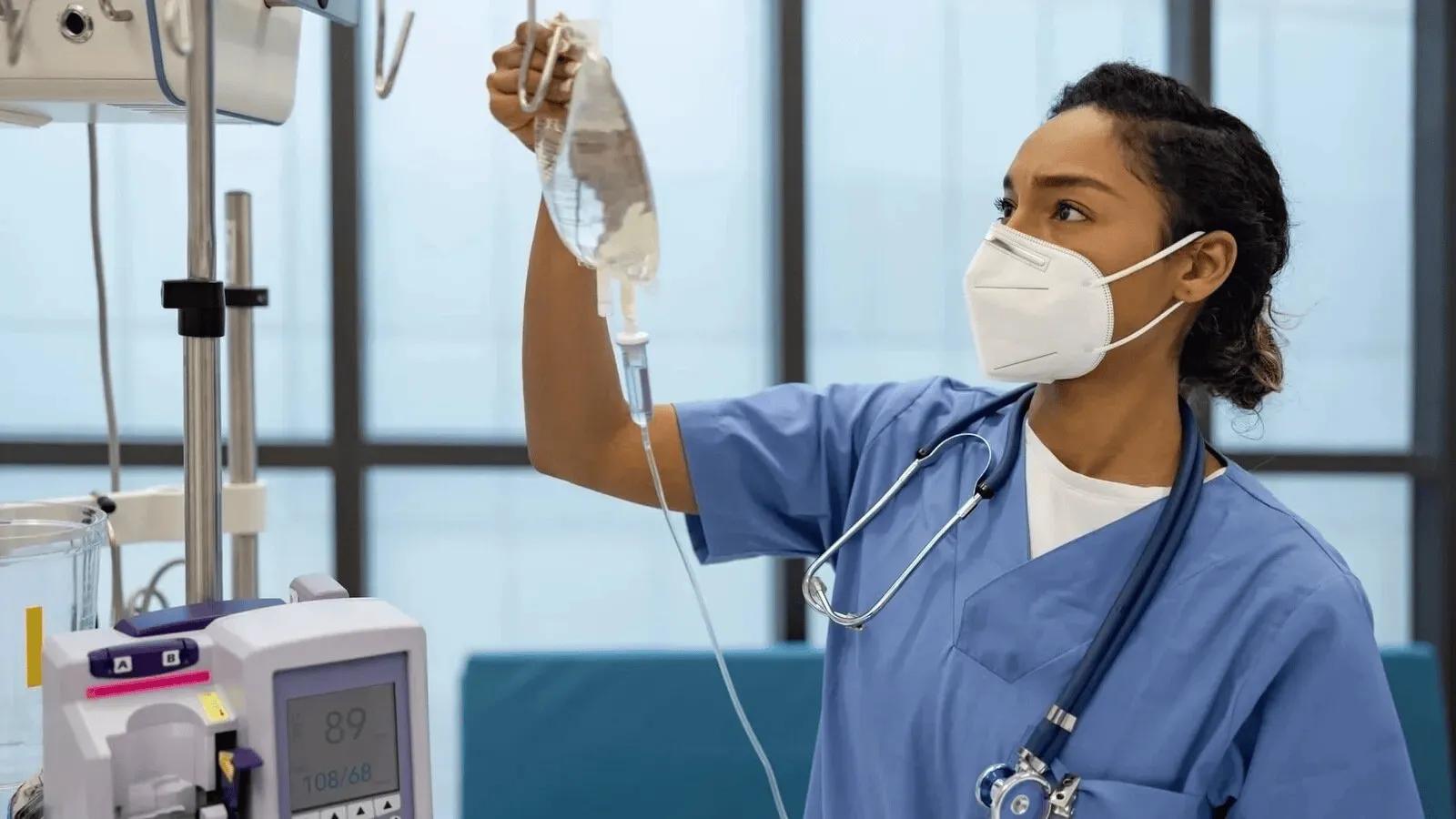
IV Drip at Home may be recommended for patients experiencing significant dehydration who need intravenous fluid replacement after a medical assessment. This treatment delivers prescribed fluids directly into the bloodstream and can be provided at home when the patient is medically stable and suitable for home-based care.
Doctor At Home In Dubai services can help patients receive professional medical assessments and guidance without travelling to a clinic. A doctor can evaluate dehydration symptoms, identify possible causes, and determine whether oral rehydration, IV fluids, or hospital treatment is necessary.
What Is Dehydration?
Dehydration occurs when the body loses more fluids than it takes in. Water is essential for maintaining circulation, regulating body temperature, supporting digestion, and helping organs function normally.
The body loses fluids through sweating, urination, breathing, and bowel movements. However, fluid loss can increase during fever, vomiting, diarrhoea, and prolonged physical activity.
If lost fluids are not replaced adequately, dehydration can develop and affect overall health.
Common Causes of Dehydration
Vomiting and Diarrhoea
Vomiting and diarrhoea can cause the body to lose significant amounts of water and electrolytes. Oral rehydration solutions are often helpful when patients can drink and retain fluids.
Persistent vomiting or severe diarrhoea requires medical evaluation because dehydration can become serious.
Fever and Illness
Fever can increase fluid loss through sweating. Patients may also consume less water when they feel unwell, increasing their risk of dehydration.
Maintaining appropriate fluid intake is important during illness. A healthcare professional can recommend treatment based on the severity of symptoms.
Excessive Sweating
Hot weather, strenuous exercise, and physically demanding work can increase fluid loss. Drinking enough water and replacing electrolytes when appropriate can help maintain hydration.
IV therapy is not normally required for routine sweating or ordinary exercise-related fluid loss.
Insufficient Fluid Intake
Busy schedules, reduced appetite, and limited access to drinking water can contribute to inadequate fluid intake.
Older adults and people with certain medical conditions may have additional difficulty recognising or responding to thirst.
How IV Drip at Home May Help With Dehydration
Replacing Lost Fluids
An IV drip delivers prescribed fluids directly into a vein. It may be recommended when dehydration is significant or when the patient cannot maintain adequate hydration orally.
The doctor determines the type and amount of fluid according to the patient's condition.
Supporting Patients Unable to Drink Enough
Some patients experience nausea, vomiting, or other problems that prevent them from drinking sufficient fluids.
In selected cases, intravenous hydration may be part of their treatment plan. The underlying cause must also be investigated and treated.
Providing Professional Medical Supervision
With IV Drip at Home, eligible patients can receive prescribed treatment from qualified healthcare professionals in a familiar environment.
Professional monitoring helps identify complications and ensures that the infusion follows the prescribed treatment plan.
Signs and Symptoms of Dehydration
Recognising dehydration early can help prevent complications.
Mild to Moderate Symptoms
Common symptoms include increased thirst, dry mouth, dark-coloured urine, reduced urination, dizziness, and tiredness.
Mild dehydration can often be managed with water or an appropriate oral rehydration solution.
Severe Symptoms
Severe dehydration may cause confusion, fainting, rapid heartbeat, extreme weakness, and very little urine.
These symptoms require urgent medical assessment. Do not wait for a home appointment if someone is showing signs of severe dehydration.
What Happens During an IV Drip Appointment?
Initial Medical Assessment
Before treatment, the healthcare professional reviews symptoms, medical history, allergies, and current medications. Vital signs may also be checked.
Additional investigations may be required to evaluate electrolyte levels or kidney function, depending on the patient's condition.
Preparing the Equipment
If home treatment is appropriate, the professional prepares sterile equipment and cleans the selected insertion area.
Administering IV Fluids
A small catheter is inserted into a suitable vein, usually in the hand or arm. The prescribed fluid is administered at the rate determined by the doctor.
Monitoring and Aftercare
The healthcare professional monitors the patient during the infusion and checks the insertion site for swelling, pain, or other complications.
After the procedure, the catheter is removed safely and the patient receives appropriate aftercare instructions.
Safety Precautions for IV Hydration
Although IV Drip at Home can be useful when medically necessary, it carries potential risks. These include bruising, bleeding, infection, irritation, and swelling around the catheter.
Incorrect fluid administration can also cause electrolyte disturbances or fluid overload.
Patients with kidney disease, heart failure, or other conditions affecting fluid balance require particular caution. Treatment should always be prescribed and administered by qualified healthcare professionals.
How to Prevent Dehydration
Maintaining regular fluid intake is one of the simplest ways to reduce dehydration risk. Drink water throughout the day according to thirst, activity level, weather conditions, and individual medical advice.
During vomiting or diarrhoea, an appropriate oral rehydration solution may help replace lost fluids and electrolytes.
People who work outdoors or exercise in hot conditions should take regular breaks and follow suitable hydration practices.
Patients with fluid restrictions should follow their doctor's recommendations rather than increasing their intake independently.
When Should You Seek Hospital Treatment?
Some cases of dehydration require more than home-based care. Severe weakness, confusion, fainting, difficulty breathing, chest pain, or an inability to keep fluids down may indicate a serious medical problem.
Hospital treatment may be necessary when patients require laboratory investigations, continuous monitoring, or urgent management of the underlying illness.
Never delay emergency medical care while waiting for a home IV appointment.
Conclusion
IV Drip at Home may help selected patients receive prescribed intravenous fluids when dehydration requires medical treatment and home care is considered safe. However, mild dehydration often responds to oral fluids or an appropriate rehydration solution.
Professional assessment, correct fluid selection, sterile equipment, and careful monitoring are essential. Always consult a qualified healthcare professional to determine the safest treatment for your condition.