

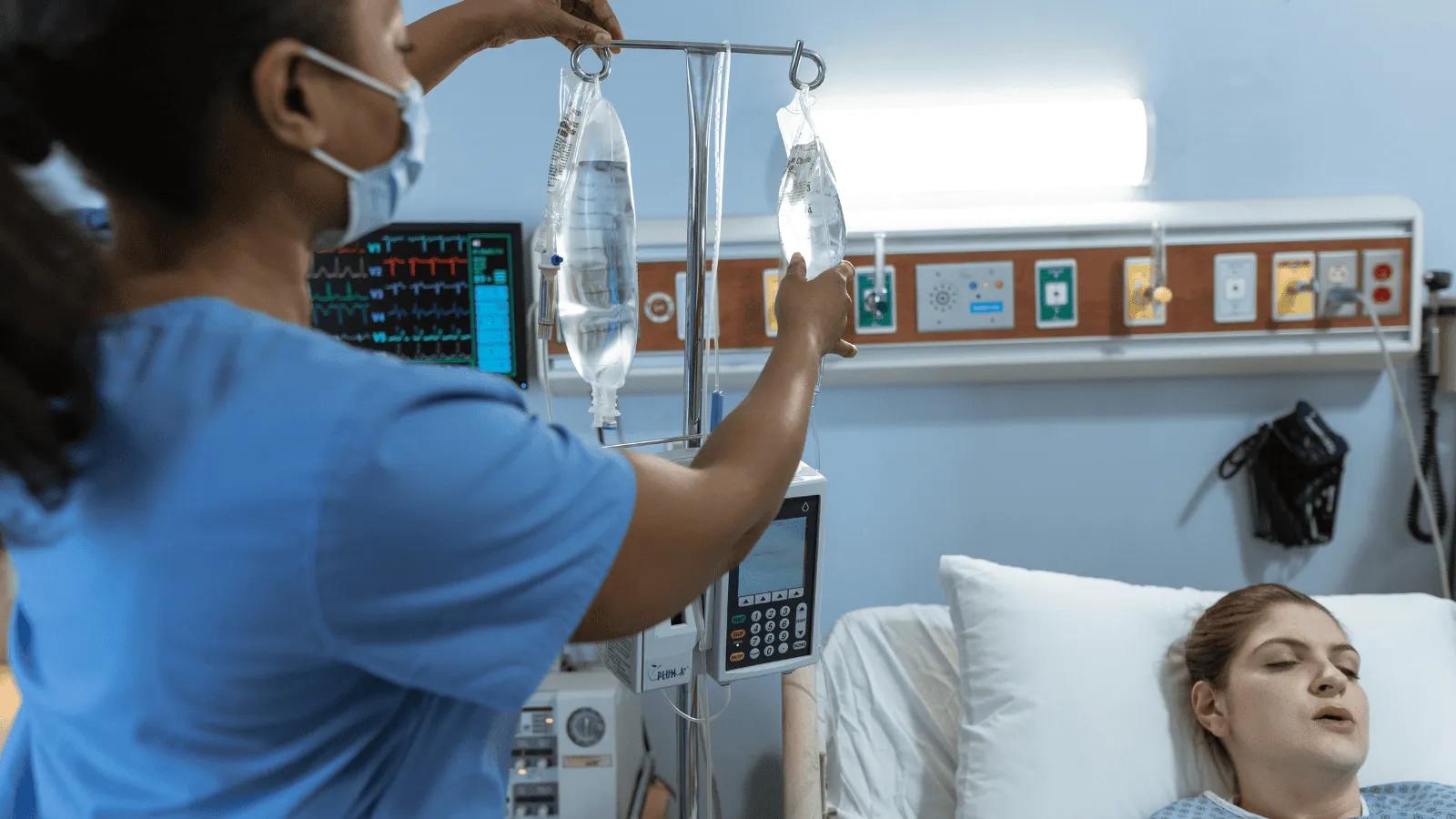
Maintaining everyday wellness involves staying hydrated, eating a balanced diet, getting enough sleep, and following healthy lifestyle habits. For people who need medically supervised fluid treatment, IV Drip at Home may provide a convenient option when a qualified healthcare professional determines that intravenous fluids are appropriate. This service allows eligible patients to receive prescribed treatment in a familiar environment while maintaining professional medical supervision.
Access to healthcare services at home can also make certain medical consultations more convenient. Doctor At Home In Dubai services may help patients receive professional medical assessment without travelling to a clinic. A doctor can evaluate symptoms, review medical history, and determine whether home-based treatment or another level of care is suitable.
Understanding IV Drip at Home for Everyday Wellness
An IV drip delivers fluids or prescribed substances directly into a vein through a small catheter. Healthcare professionals may recommend intravenous fluids when a patient cannot maintain adequate hydration through drinking or when a medical condition requires a specific treatment.
Although IV therapy is sometimes promoted as a general wellness service, it is not necessary for everyone. Healthy individuals who can drink normally usually maintain hydration through water and other suitable fluids. An IV drip should not replace a balanced diet, regular exercise, or healthy daily routines.
The decision to receive IV treatment should always depend on individual health needs and professional medical advice.
How IV Therapy May Support Hydration
Hydration plays an important role in normal body functions. The body needs sufficient fluids to regulate temperature, support circulation, and maintain normal organ function.
When someone experiences dehydration because of illness, vomiting, diarrhoea, or difficulty drinking, a healthcare professional may assess whether intravenous fluids are necessary. In certain situations, IV fluids can help restore fluid levels when oral hydration is not suitable or sufficient.
However, mild dehydration can often be managed by drinking water or using oral rehydration solutions when appropriate. IV treatment is not automatically faster, better, or more beneficial for every person.
Potential Benefits of Receiving Medical Care at Home
Convenience and Comfort
Receiving an appropriate medical service at home can reduce the need to travel to a healthcare facility. This may be helpful for patients who have mobility difficulties or prefer receiving care in a familiar environment.
A home-based appointment can also allow patients to discuss their concerns more comfortably with a healthcare professional.
Individual Medical Assessment
Every patient has different hydration needs and medical circumstances. A qualified professional should review the patient's symptoms, medical history, current medications, and relevant health conditions before recommending IV fluids.
This assessment helps determine whether treatment is necessary and what type of care is appropriate.
Professional Monitoring
During an IV procedure, trained healthcare staff should monitor the patient and check for possible complications. Professional supervision is important because intravenous treatment involves accessing a vein and introducing fluids directly into the bloodstream.
Is IV Drip at Home Suitable for Everyone?
IV therapy is not appropriate for every person. Someone who is generally healthy and drinks enough fluids may not receive any additional benefit from routine IV treatment.
Patients with certain medical conditions require particular attention. For example, people with heart problems, kidney disease, or conditions affecting fluid balance may be at greater risk of complications from receiving unnecessary or excessive fluids.
Pregnant individuals, older adults, and people taking regular medication should also receive appropriate medical advice before considering IV treatment.
A professional assessment is the best way to determine whether home-based IV therapy is suitable.
Important Safety Measures for Home IV Treatment
Safety should always be a priority when arranging an intravenous procedure. The service should be provided by qualified healthcare professionals who are authorized to perform the treatment in the relevant location.
Use of Sterile Equipment
Sterile, single-use equipment should be used to reduce the risk of infection. Healthcare professionals should follow proper hand hygiene and maintain a clean environment during the procedure.
Correct Fluid Selection
The type and amount of IV fluid should be selected according to the patient's medical needs. Vitamins, electrolytes, and other substances should not be added without an appropriate clinical reason and professional authorization.
Monitoring for Side Effects
IV treatment can cause complications, including bruising, bleeding, vein irritation, infection, and allergic reactions. Excessive fluid administration can also cause fluid overload, particularly in people with certain heart or kidney conditions.
If a patient experiences breathing difficulties, chest pain, fainting, or severe confusion, urgent medical attention is necessary rather than waiting for a home appointment.
Everyday Habits That Support Better Wellness
IV therapy is only relevant in specific medical circumstances. Most people can support everyday wellness through consistent healthy habits.
Maintain Regular Hydration
Drinking enough water throughout the day supports normal body functions. Fluid requirements vary depending on activity levels, climate, age, and health conditions.
People experiencing fluid loss from vomiting or diarrhoea may need an oral rehydration solution, depending on their circumstances and medical advice.
Follow a Balanced Diet
A balanced diet provides essential nutrients that support normal energy production and overall health. Including fruits, vegetables, whole grains, protein sources, and suitable healthy fats can help maintain nutritional balance.
Intravenous vitamin treatments should not be considered a substitute for healthy eating or prescribed nutritional care.
Prioritize Sleep and Physical Activity
Good-quality sleep supports physical and mental functioning. Regular physical activity can also contribute to general health, provided it is appropriate for the individual's fitness level and medical condition.
Small, consistent lifestyle improvements are generally more useful for everyday wellness than relying on unnecessary medical procedures.
What to Expect During an IV Drip at Home Appointment
Before treatment begins, a healthcare professional should discuss the patient's symptoms and medical history. They may check relevant observations, review medications, and assess whether intravenous fluids are clinically appropriate.
If treatment is recommended, the professional should explain the procedure, expected benefits, possible risks, and alternatives. The IV line should be inserted using appropriate sterile techniques, and the patient should be monitored during treatment.
After the procedure, the healthcare professional should provide suitable aftercare instructions and explain which symptoms require further medical attention.
The treatment should never be started simply because someone wants an energy boost or a general wellness improvement without a proper assessment.
Choosing a Professional Home Healthcare Provider
Selecting a suitable provider is an important part of receiving safe medical care. Patients should check that the service uses qualified professionals, follows applicable healthcare regulations, and provides clear information about its procedures.
A reliable provider should explain how patient assessments are conducted, how treatment decisions are made, and what safety measures are followed. Patients should also be able to ask questions about possible side effects and alternative treatment options.
Professional communication and appropriate follow-up care can help patients make informed healthcare decisions.
Conclusion
Everyday wellness depends on healthy lifestyle choices, appropriate hydration, balanced nutrition, and access to suitable medical care. IV Drip at Home may be useful for selected patients when intravenous fluids are medically indicated and administered under professional supervision. However, it is not a routine requirement for healthy individuals and should never replace ordinary hydration or medical evaluation.
Before choosing home IV treatment, consult a qualified healthcare professional to understand your needs, possible risks, and appropriate alternatives. Safe, individualized care should always come before convenience.