

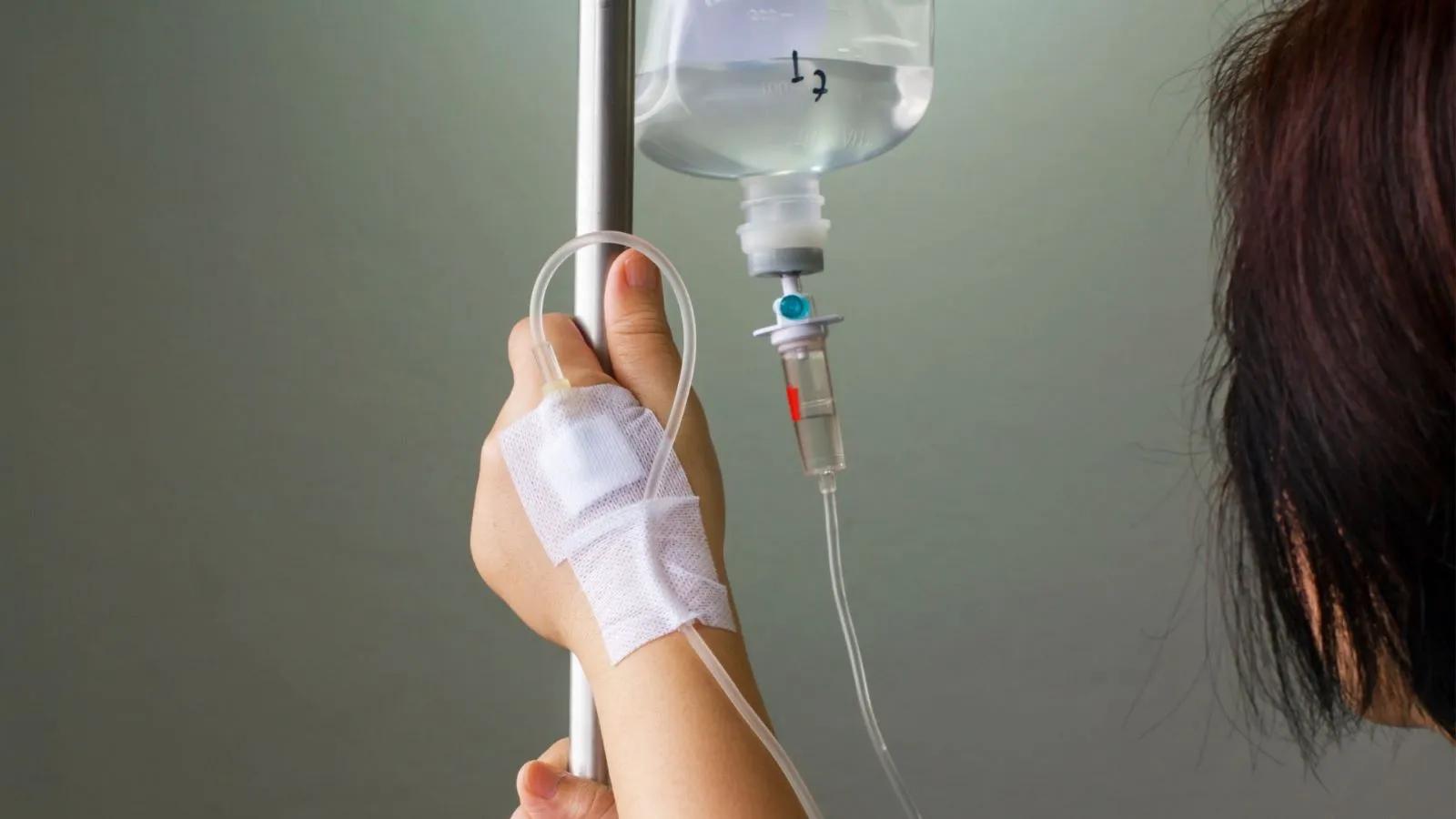
IV Drip at Home allows eligible patients to receive intravenous fluids or prescribed treatments in a familiar environment without necessarily travelling to a medical facility. When clinically appropriate, this service may help patients receive necessary fluid replacement or certain prescribed medicines under professional supervision.
Doctor At Home In Dubai services can make medical assessment and home-based treatment more convenient for people who prefer care at home. However, intravenous therapy is a medical procedure, so a qualified healthcare professional should assess the patient's condition before recommending an infusion. Understanding both the potential benefits and risks helps patients make informed decisions about their healthcare.
What Is IV Drip at Home?
An intravenous drip delivers fluids or prescribed medications directly into a vein through a small catheter. This method may be used when a patient needs a treatment that is best administered intravenously or when oral fluid intake is insufficient for a particular medical situation.
The contents of an infusion depend on the patient's needs and the clinician's prescription. Some infusions contain fluids and electrolytes, while others may contain specific medicines or nutrients for a diagnosed medical reason.
IV Drip at Home should not be considered a routine wellness treatment for everyone. Many people can maintain hydration through drinking water and other appropriate fluids, while nutritional deficiencies often require investigation and targeted treatment rather than an unnecessary infusion.
Potential Benefits of IV Drip at Home
Convenient Access to Medical Care
One potential advantage of home-based IV treatment is convenience. Eligible patients may receive certain prescribed infusions without travelling to a clinic or hospital. This can be particularly helpful for people with limited mobility or those following an established home treatment plan.
However, home treatment is appropriate only when the patient's condition and the required level of monitoring make it safe.
Fluid Replacement When Medically Needed
Intravenous fluids can help replace fluid losses in patients who need this treatment. A clinician may consider IV hydration when a patient cannot maintain adequate hydration orally or when the medical situation requires intravenous fluid administration.
The choice between oral rehydration and IV fluids depends on the severity and cause of dehydration, the patient's ability to drink, and other health considerations. Mild dehydration can often be treated with oral fluids, while severe dehydration may require urgent medical care.
Administration of Prescribed Medication
Certain medications need to be given directly into a vein. For patients who qualify for home treatment, a healthcare professional may administer prescribed medication according to a documented treatment plan.
The medicine, dose, administration rate, and monitoring requirements must be determined by an appropriately qualified clinician. Patients should never add medication or supplements to an IV infusion without professional authorization.
Care in a Familiar Environment
Receiving appropriate treatment at home may help some patients feel more comfortable and reduce the practical difficulties associated with travelling for care. It can also support continuity of treatment when home healthcare forms part of a wider medical plan.
Nevertheless, comfort and convenience do not guarantee better medical outcomes. The treatment must remain appropriate for the patient's condition.
Understanding the Risks of IV Drip at Home
Infection at the IV Site
An IV catheter creates an opening through the skin, which can allow germs to enter if sterile procedures are not followed. Infection may cause redness, warmth, swelling, tenderness, or discharge around the insertion site.
Qualified healthcare professionals should use sterile equipment, follow proper hand hygiene, and assess the IV site when necessary. Patients should report signs of infection promptly.
Bruising, Vein Irritation, and Fluid Leakage
Some patients experience bruising, discomfort, or inflammation around the vein after catheter insertion. Fluid may also leak into the surrounding tissue if the catheter moves out of position or the vein is damaged.
Increasing pain, swelling, tightness, or burning around the infusion site should be reported immediately so the healthcare professional can assess the problem.
Allergic Reactions
An infused medicine, vitamin, or other ingredient may cause an allergic reaction in susceptible patients. The severity can range from a mild rash to a life-threatening reaction.
Patients should disclose known allergies and previous infusion reactions before treatment. Difficulty breathing, swelling of the face or throat, or collapse requires emergency medical assistance.
Fluid Overload and Electrolyte Problems
IV fluids are not harmless simply because they contain water and salts. Too much fluid or an inappropriate fluid composition can cause complications, particularly in people with kidney disease, heart failure, or certain electrolyte disorders.
A clinician should determine the appropriate fluid type and volume based on the patient's medical condition. Patients should not arrange repeated IV hydration without an appropriate assessment.
Who May Be Suitable for IV Drip at Home?
Suitability depends on the reason for treatment, the patient's medical history, and the level of care required. Some clinically stable patients may qualify for home-based infusions when a healthcare professional has assessed their condition and confirmed that home administration is appropriate.
Patients who cannot keep fluids down, have persistent vomiting or diarrhoea, or show signs of significant dehydration should seek medical assessment. Depending on their condition, they may need oral rehydration, IV treatment, further investigations, or hospital care.
People with heart or kidney problems, a history of fluid overload, significant allergies, or complex medical conditions may need additional precautions. Their treatment should be planned by a clinician familiar with their health history.
IV Drip at Home is not a substitute for emergency treatment. Severe weakness, confusion, fainting, chest pain, difficulty breathing, or rapidly worsening symptoms require urgent medical evaluation.
How to Make IV Drip at Home Safer
Arrange a Medical Assessment
Before treatment, a healthcare professional should review the patient's symptoms, relevant medical history, current medicines, and allergies. The assessment should establish whether an IV infusion is necessary and whether a home setting is suitable.
Patients should ask about alternative treatments, including oral fluids or medication, when appropriate.
Choose a Qualified Healthcare Provider
Select a legitimate provider that is appropriately licensed to deliver the proposed service. Confirm that the person administering the infusion has suitable qualifications and follows established clinical and infection-control procedures.
A responsible provider should explain the treatment's purpose, potential risks, expected duration, and monitoring requirements before beginning.
Follow Professional Instructions
Patients should follow the prescribed treatment plan and avoid changing the infusion rate, adding ingredients, or attempting to insert or adjust an IV catheter themselves.
After treatment, follow the clinician's instructions and report unexpected symptoms. If a serious reaction occurs, seek emergency help rather than waiting for a routine follow-up appointment.
IV Drip at Home for Wellness: What Patients Should Know
IV infusions are sometimes promoted as a way to improve energy, strengthen immunity, support skin health, or remove toxins. However, these claims should be evaluated carefully.
For people without a diagnosed deficiency or a specific medical indication, there is limited evidence that vitamin infusions provide broad wellness benefits beyond what can be achieved through appropriate nutrition and standard healthcare. Some ingredients can also cause side effects or interact with medical conditions and medicines.
If you regularly experience tiredness, dizziness, headaches, or low energy, consult a healthcare professional to investigate the underlying cause. Sleep problems, nutritional deficiencies, anaemia, infections, and other conditions may produce similar symptoms but require different treatments.
The safest approach is to use IV therapy for a clear medical purpose rather than treating it as a replacement for healthy habits or necessary medical investigations.
Questions to Ask Before Your IV Appointment
Before arranging IV Drip at Home, ask the provider why the infusion is recommended and what medical benefit is expected in your particular situation. Find out which fluids or medicines will be administered, who will supervise the procedure, and what potential complications you should understand.
It is also important to ask whether your existing conditions or medications create additional risks and what support is available if you experience a reaction. Clear answers can help you assess whether the service meets your healthcare needs.
Conclusion
IV Drip at Home can provide convenient access to certain prescribed treatments and fluid replacement when a healthcare professional determines that intravenous therapy is medically appropriate. Its potential benefits must be weighed against risks such as infection, vein irritation, allergic reactions, and fluid-related complications.
Choosing a qualified provider, receiving a proper medical assessment, and following professional instructions are essential steps toward safer treatment. Remember that IV therapy is not necessary for everyone and should not be promoted as a guaranteed solution for general wellness.
Before choosing an infusion, discuss your symptoms and available treatment options with a qualified healthcare professional so that your care is based on your individual medical needs.