

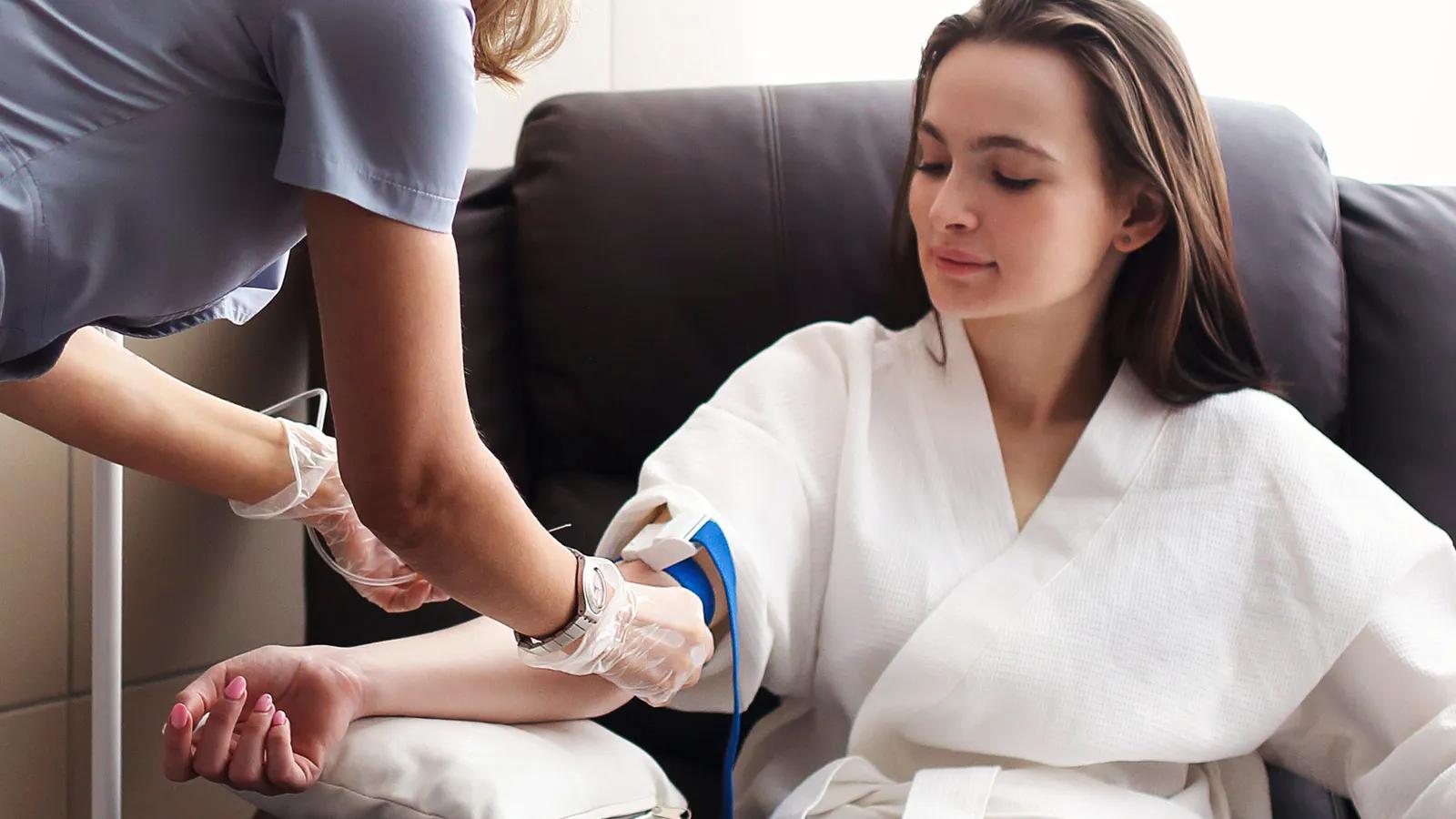
IV Drip at Home can be a convenient treatment option for patients who need prescribed intravenous fluids or medication and are medically suitable for home-based care. Because an IV drip delivers substances directly into the bloodstream, it requires appropriate clinical assessment, sterile equipment, and professional administration. Understanding basic safety precautions can help patients make informed decisions and recognize potential complications early.
Patients looking for Doctor At Home In Dubai services should prioritize providers who assess their medical needs before recommending treatment. A qualified healthcare professional can review symptoms, medical history, allergies, and existing medications to determine whether an IV drip is necessary. Professional guidance helps ensure that convenience does not come at the expense of patient safety.
Why Safety Matters During IV Drip at Home
Intravenous therapy is a medical procedure, not simply a hydration service. The type of fluid, amount administered, infusion rate, and monitoring requirements must be appropriate for the individual patient.
Although IV therapy can be beneficial in specific clinical situations, unnecessary treatment may expose patients to avoidable risks. Possible complications include infection, vein irritation, fluid leakage into surrounding tissue, allergic reactions, and fluid overload.
A careful approach begins with confirming that the treatment is medically appropriate and that the person administering it has the necessary qualifications.
Choose a Qualified Healthcare Professional
One of the most important safety measures is selecting a properly qualified and authorized healthcare provider. IV cannulation and infusion require training, appropriate equipment, and knowledge of how to respond to complications.
Verify Professional Credentials
Before booking an IV Drip at Home appointment, ask about the healthcare professional's qualifications, licensing, and experience with intravenous treatment. Confirm that the service is authorized to provide the proposed care in your location.
A responsible provider should explain the purpose of the treatment, the expected duration, possible side effects, and any monitoring that may be required. Patients should not feel pressured to agree to a procedure they do not understand.
Require a Medical Assessment
A healthcare professional should assess the patient's condition before treatment. This may involve discussing symptoms, reviewing medical history, checking vital signs, and determining whether additional tests are needed.
An IV drip should not be recommended solely because someone feels tired, wants an energy boost, or believes they need extra hydration. The provider should establish a clear clinical reason for intravenous treatment.
Ensure Proper Hygiene and Sterile Equipment
Cleanliness is essential because an IV cannula creates an entry point through the skin. Poor infection-control practices can introduce harmful microorganisms into the body.
Check Infection-Control Practices
The healthcare professional should perform appropriate hand hygiene, prepare the insertion site using a suitable antiseptic, and use sterile equipment. Single-use supplies should not be reused, and contaminated materials must be disposed of safely.
Patients should never attempt to insert an IV cannula themselves or allow an untrained person to administer intravenous fluids.
Keep the Insertion Site Clean
Once the cannula is in place, avoid touching, pulling, or adjusting it unnecessarily. The insertion site and dressing should be kept clean and managed according to the healthcare professional's instructions.
Increasing redness, warmth, swelling, discharge, or pain around the site may indicate a complication. Inform the healthcare provider promptly if any of these symptoms occur.
Share Your Complete Medical History
Before starting an infusion, provide accurate information about your health. Medical conditions and medications can influence how the body responds to intravenous fluids and prescribed treatments.
Tell Your Provider About Existing Conditions
People with kidney disease or heart failure may be at increased risk of fluid overload. Certain liver conditions, electrolyte imbalances, and other chronic illnesses can also affect treatment decisions.
Pregnancy, previous allergic reactions, and a history of complications from IV treatment should be discussed before an appointment. These details help the clinician determine whether home treatment is suitable or whether a different setting is needed.
Disclose All Medications and Allergies
Tell the provider about prescription medicines, over-the-counter products, and known allergies. Some medications can affect fluid balance or interact with prescribed treatments.
Never add vitamins, medications, or other substances to an IV solution yourself. Only treatments prescribed and administered under appropriate professional guidance should be used.
Follow the Prescribed Treatment Plan
The fluid type, volume, and administration rate should be selected according to the patient's clinical needs. A qualified professional should verify the prescribed treatment before beginning the infusion.
Patients should not increase the infusion rate, request extra fluids without assessment, or reuse IV equipment to save time or money. More fluid is not necessarily better, and excessive administration can be dangerous for some people.
If the patient feels uncomfortable or develops unusual symptoms during the procedure, they should tell the healthcare professional immediately. The provider can assess the situation and determine whether the infusion should be adjusted or stopped.
Monitor for Possible Side Effects
Professional monitoring is an important part of safe intravenous therapy. The level of monitoring depends on the treatment, the patient's medical history, and any identified risks.
Watch for Problems at the IV Site
Pain, burning, swelling, leakage, or changes in skin colour around the cannula may indicate that the IV is not functioning properly. Report these signs immediately rather than trying to correct the problem yourself.
Recognize Possible Allergic Reactions
A rash, itching, or sudden swelling may indicate an allergic reaction. Stop the infusion and seek immediate medical assistance if a concerning reaction develops.
Severe breathing difficulties, swelling of the tongue or throat, chest pain, fainting, or sudden confusion are emergencies. Contact local emergency services immediately rather than waiting for a routine follow-up.
Understand the Risk of Fluid Overload
Receiving too much fluid can cause problems, especially in people with heart or kidney conditions. New or worsening shortness of breath, significant swelling, or difficulty breathing after an infusion requires urgent medical assessment.
Patients should follow the clinician's advice about additional fluid intake and report any unexpected changes in their condition.
Prepare Your Home for a Safe Appointment
A clean, well-lit space can help the healthcare professional work safely. Choose a comfortable area where the patient can remain seated or lying down during treatment, with enough room for the necessary equipment.
Keep pets away from the treatment area if they may interfere with equipment or cleanliness. Follow the provider's instructions regarding preparation, and keep relevant medical information available.
After treatment, follow the professional's instructions for caring for the insertion site and disposing of any materials. Do not attempt to remove or reinsert a cannula unless specifically instructed by an appropriately qualified professional working within their scope of practice.
Is IV Drip at Home Suitable for Everyone?
No. Home IV therapy is appropriate only for selected patients whose medical needs can be managed safely outside a hospital or clinic.
Mild dehydration may often be treated with oral fluids or an oral rehydration solution. An IV drip may be considered when a clinician determines that intravenous treatment is necessary. Patients with serious symptoms, complex medical conditions, or a need for close observation may require hospital-based care.
A home appointment should never delay evaluation of severe dehydration, persistent vomiting, confusion, fainting, chest pain, or difficulty breathing.
Conclusion
IV Drip at Home can provide useful medical support when intravenous treatment is clinically indicated and administered by qualified healthcare professionals. Safe treatment depends on proper assessment, sterile equipment, an individualized treatment plan, and appropriate monitoring.
Before booking an appointment, verify the provider's qualifications, disclose your medical history, and understand the potential risks. Report unusual symptoms immediately and seek emergency care for severe warning signs. Taking these precautions helps patients make informed decisions and prioritize their health when receiving treatment at home.