

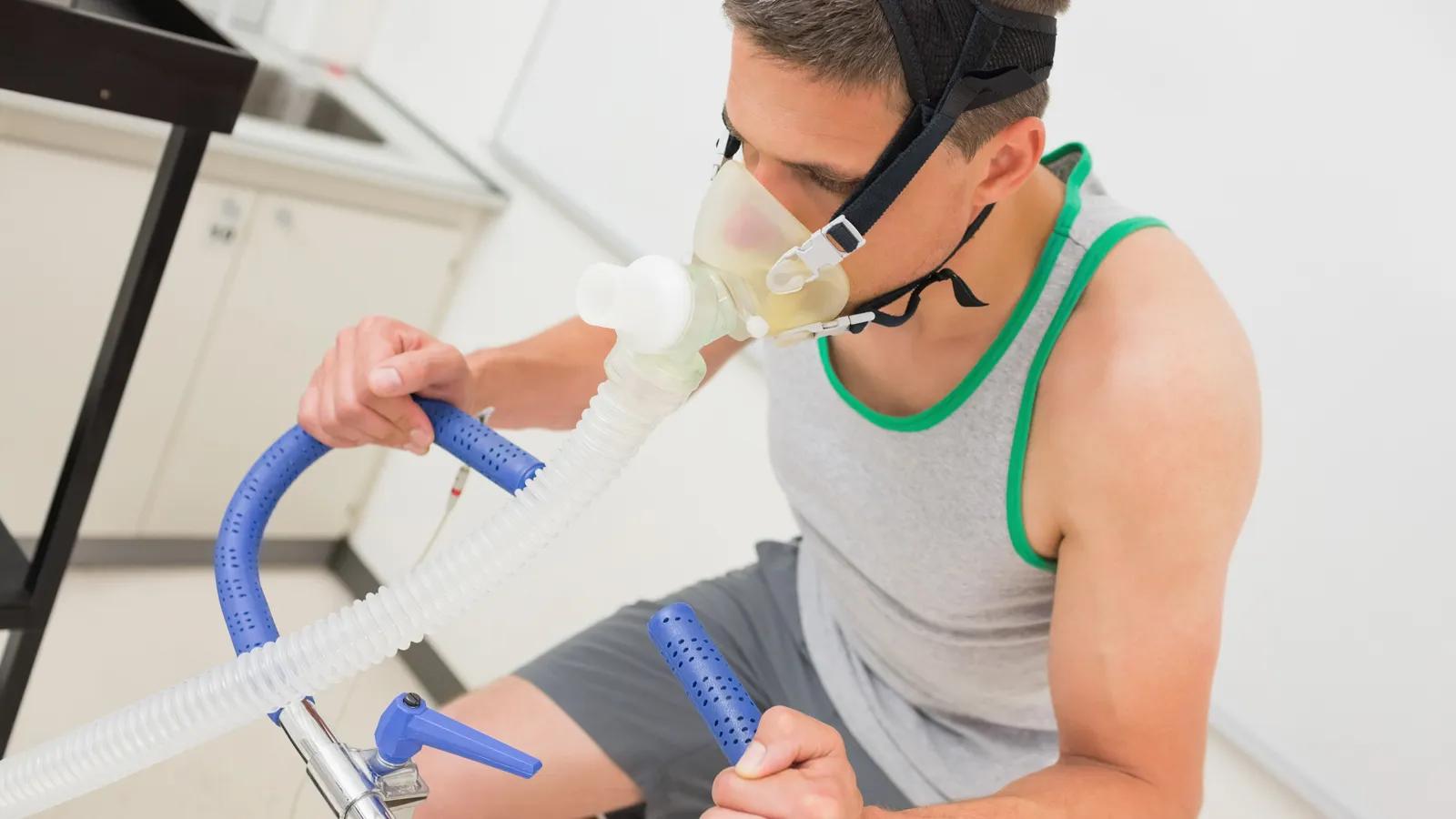
Patients experiencing medically confirmed low blood oxygen levels may require additional oxygen as part of their healthcare plan. Oxygen Therapy At Home provides an option for eligible patients to receive prescribed oxygen support in a familiar environment. With appropriate medical supervision, suitable equipment, and proper safety measures, home oxygen treatment can become easier to manage as part of daily healthcare.
People looking for Doctor At Home In Dubai services may also benefit from professional medical assessments and guidance for respiratory concerns. A qualified doctor can review symptoms, evaluate the patient's condition, and recommend suitable treatment based on individual medical requirements.
Understanding Oxygen Therapy and Patient Comfort
Oxygen therapy is a medical treatment that supplies additional oxygen to patients who have lower-than-appropriate blood oxygen levels. It may be prescribed for certain respiratory conditions and other medical problems that affect oxygen delivery.
The main purpose of treatment is to address low blood oxygen levels, not simply to make everyone feel more energetic or comfortable. Patients must undergo an appropriate medical assessment before starting oxygen therapy.
A healthcare professional may use pulse oximetry or arterial blood gas testing to determine whether additional oxygen is needed. The treatment plan is then adjusted according to the patient's medical condition.
How Home Oxygen Treatment Can Improve Daily Care
Receiving prescribed oxygen at home can make treatment more convenient for patients who qualify for home-based care. It allows them to use approved equipment in a familiar setting while continuing to follow their medical plan.
Family members can also participate in daily care by helping organize equipment, maintaining a safe environment, and understanding the treatment instructions. This can be particularly useful for patients who have limited mobility or need assistance with medical devices.
However, home oxygen treatment does not replace regular medical appointments. Patients should continue attending recommended follow-up assessments.
Choosing Comfortable Oxygen Equipment
The equipment selected for home oxygen treatment should match the patient's prescription, medical requirements, and living environment.
Oxygen Concentrators
Oxygen concentrators draw in surrounding air and deliver concentrated oxygen to the patient. They are commonly used for prescribed oxygen support at home.
Patients should understand how the device operates, where it should be placed, and how it should be maintained. Since concentrators require electricity, backup arrangements should be discussed with the healthcare provider.
Oxygen Cylinders
Oxygen cylinders store oxygen under pressure and may be recommended for specific medical needs. They require careful handling and secure storage.
Patients and caregivers should receive instructions about checking the oxygen supply and following the supplier's safety recommendations.
Nasal Cannulas and Oxygen Masks
Nasal cannulas deliver oxygen through small tubes placed inside the nostrils. Oxygen masks cover the nose and mouth and may be suitable for certain patients.
A healthcare professional should recommend the appropriate delivery method. Patients should report irritation or discomfort instead of changing their equipment or oxygen settings independently.
The Importance of Medical Assessment
Before starting Oxygen Therapy At Home, patients need an appropriate medical evaluation. Breathlessness alone does not confirm that someone requires oxygen because breathing difficulties can have several causes.
Healthcare professionals may review medical history, symptoms, oxygen saturation, and other relevant test results.
Pulse oximetry provides an estimate of blood oxygen saturation, while an arterial blood gas test can provide more detailed information when necessary. These assessments help determine whether oxygen therapy is appropriate and establish the correct prescription.
Creating a Comfortable Home Environment
A well-organized home environment can make oxygen equipment easier to manage. Patients should have enough space around their equipment and follow the supplier's instructions for placement and ventilation.
Oxygen tubing should be arranged carefully to prevent tripping, particularly for older adults and people with mobility difficulties. Walkways should remain clear, and equipment should not obstruct doors or frequently used areas.
Caregivers can also help by keeping necessary accessories organized and ensuring that patients understand the basic operating instructions.
Professional Monitoring and Ongoing Support
Regular medical monitoring is important because oxygen requirements may change over time. A healthcare professional can review symptoms, oxygen measurements, treatment response, and equipment use.
Patients should never adjust their prescribed oxygen flow rate without professional guidance. Some people with COPD may be at risk from excessive oxygen, making individualized treatment particularly important.
Equipment maintenance is another essential part of ongoing support. Patients should know how to report technical problems and what backup arrangements are available if their equipment stops working.
Oxygen Safety Precautions at Home
Oxygen supports combustion, which means fires can start more easily and burn more intensely in oxygen-enriched environments. Patients and caregivers must follow strict safety instructions.
Smoking, candles, and open flames should never be allowed near oxygen equipment. Cylinders must be secured properly, and equipment should be kept away from ignition sources.
Patients should follow all instructions provided by their healthcare professional and equipment supplier. Caregivers should also understand how to respond if a device develops a fault.
Supporting Elderly Patients With Home Oxygen Care
Older adults may need additional assistance when using oxygen equipment. Limited mobility, balance difficulties, or difficulty handling accessories can make treatment management more challenging.
Family members can help maintain clear walkways, organize oxygen tubing, and check that equipment is being used according to instructions.
However, age alone is not a reason to prescribe oxygen therapy. Older patients should receive treatment only when their medical assessment confirms that it is necessary.
When Immediate Medical Attention Is Required
Home oxygen treatment is not an alternative to emergency healthcare. Patients experiencing sudden or severe breathlessness, chest pain, fainting, blue or grey lips, or sudden confusion should seek emergency medical assistance immediately.
These symptoms may indicate a serious medical problem that requires urgent assessment. Patients should not attempt to manage an emergency by independently increasing their oxygen flow rate.
Conclusion
Oxygen Therapy At Home can provide prescribed respiratory support for patients with medically confirmed low blood oxygen levels. Suitable equipment, professional medical guidance, regular monitoring, and a safe home environment are essential for managing treatment properly.
By following their individualized treatment plans and understanding important safety precautions, patients and caregivers can make home oxygen care more manageable while staying connected with qualified healthcare professionals.