

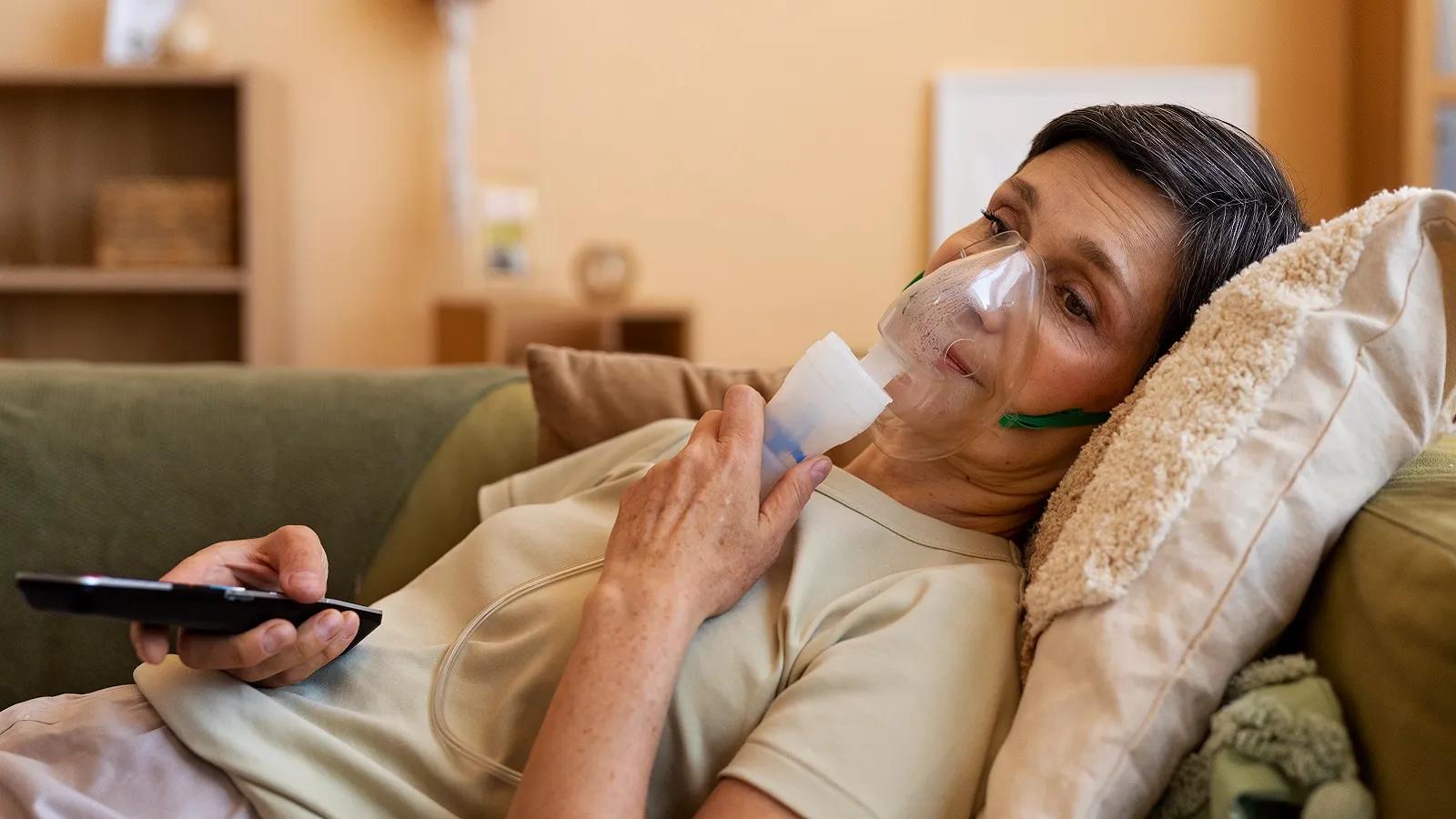
Oxygen Therapy At Home is a medical treatment that provides additional oxygen to people whose blood oxygen levels are lower than normal. It may be recommended for individuals with certain lung conditions, chronic respiratory illnesses, or other medical problems that affect the body's ability to receive enough oxygen. When prescribed by a qualified healthcare professional, oxygen therapy can support breathing and help patients manage their conditions in a familiar environment.
Doctor At Home In Dubai may be a relevant option for individuals seeking convenient medical consultations and respiratory assessments at home. A qualified healthcare professional can review symptoms, assess medical history, and determine whether oxygen-level testing or further evaluation is appropriate. Oxygen therapy should only be used when medically indicated and according to the prescribed treatment plan.
What Is Oxygen Therapy?
Oxygen therapy involves delivering supplemental oxygen through equipment such as a nasal cannula or an oxygen mask. The purpose is to increase the amount of oxygen available to the body when a person's natural breathing process cannot maintain an adequate oxygen level.
The treatment may be prescribed for people with chronic obstructive pulmonary disease (COPD), certain interstitial lung diseases, or other conditions associated with low blood oxygen. Some patients require oxygen continuously, while others may need it only during sleep, exercise, or particular activities. The duration and oxygen flow rate depend on individual medical needs.
Home oxygen treatment is not necessary for everyone who experiences shortness of breath. Breathlessness can have many causes, including asthma, infections, heart problems, and anxiety. A medical assessment helps identify the underlying issue and determine the appropriate treatment.
Medical Benefits of Oxygen Therapy At Home
Supports Healthy Blood Oxygen Levels
One of the primary medical benefits of Oxygen Therapy At Home is helping eligible patients maintain an appropriate level of oxygen in their blood. Oxygen is essential for normal organ function, including the functioning of the brain, heart, and muscles.
When a person has persistently low blood oxygen levels, prescribed supplemental oxygen can help address the deficiency. However, the correct oxygen flow rate must be determined by a healthcare professional because both insufficient and excessive oxygen can create problems in certain patients.
May Improve Breathing Comfort
People with low oxygen levels may experience breathlessness, fatigue, or difficulty completing everyday activities. When oxygen therapy is medically appropriate, it may reduce symptoms associated with low blood oxygen and help some patients feel more comfortable.
The effect varies according to the underlying condition. Oxygen does not treat every cause of breathlessness, and patients should not increase their oxygen supply independently when symptoms continue or become worse.
Supports Daily Activities
Some patients with chronic respiratory conditions find ordinary activities such as walking, dressing, or preparing meals challenging. If prescribed for activity-related oxygen needs, supplemental oxygen may help certain individuals perform these tasks more comfortably.
A healthcare professional can advise whether oxygen is needed during physical activity and how to use the equipment safely. Patients should follow their prescribed treatment plan rather than adjusting the flow rate according to how they feel.
Can Support Long-Term Respiratory Management
For selected patients with chronic lung disease and confirmed low oxygen levels, long-term oxygen therapy may be an important part of ongoing medical care. Depending on the condition and clinical circumstances, it can support daily functioning and may improve survival in people with severe chronic resting hypoxemia.
Oxygen therapy is generally one component of a broader care plan. Medication, pulmonary rehabilitation, follow-up appointments, smoking cessation where relevant, and other recommended treatments may also be important.
Who May Benefit From Home Oxygen Treatment?
Home oxygen therapy may be appropriate for people with certain chronic lung diseases, persistent low blood oxygen levels, or specific medical conditions that interfere with oxygen delivery. A clinician may recommend oxygen testing using a pulse oximeter or a blood test to evaluate the patient's oxygen status.
Older adults may also require assessment when they have respiratory illnesses or other conditions that affect breathing. However, age alone does not mean someone needs oxygen therapy. The decision should be based on clinical findings, symptoms, and the person's overall medical condition.
Patients recovering from an illness should also receive individualized advice. Temporary oxygen needs may change as the underlying condition improves, so follow-up assessments are important.
Essential Equipment for Oxygen Therapy At Home
The equipment used depends on the patient's prescribed oxygen requirements. An oxygen concentrator takes oxygen from the surrounding air and concentrates it for delivery. Portable oxygen systems may be suitable for some people who need mobility outside the home, while oxygen cylinders may be used in particular circumstances.
A nasal cannula consists of small tubes positioned at the entrance of the nostrils. An oxygen mask is another delivery method that may be recommended depending on the patient's needs. Tubing, connectors, and other accessories should be compatible with the prescribed system.
Patients and caregivers should receive instructions on equipment operation, cleaning, maintenance, and what to do during a power failure or equipment malfunction. The equipment should be supplied and managed according to professional guidance.
Safety Precautions for Home Oxygen Therapy
Although oxygen is used for medical treatment, it increases the intensity with which materials can burn. Patients must keep oxygen equipment away from cigarettes, candles, open flames, gas stoves, and other ignition sources. Smoking should never be permitted near oxygen equipment.
The equipment should be used according to the manufacturer's instructions and the prescribed treatment plan. Patients should not change the oxygen flow rate without medical advice, and tubing should be arranged carefully to reduce the risk of tripping.
Regular follow-up is also important because oxygen requirements can change over time. If a patient develops worsening breathlessness, chest pain, confusion, or bluish lips, urgent medical evaluation may be necessary. Severe or sudden symptoms require emergency assistance rather than relying on home oxygen alone.
The Role of Professional Monitoring
Professional monitoring helps ensure that Oxygen Therapy At Home remains suitable for the patient's condition. A healthcare professional can review symptoms, assess oxygen measurements, evaluate equipment use, and determine whether the treatment plan needs adjustment.
Caregivers can help by observing changes in breathing, checking that equipment is working as instructed, and keeping follow-up appointments. They should also understand the warning signs that require urgent medical attention.
Patients should tell their healthcare provider about new symptoms, changes in activity tolerance, or difficulties using their oxygen equipment. Regular communication supports safer and more effective respiratory care.
Conclusion
Oxygen Therapy At Home can provide important medical support for people who have low blood oxygen levels and meet the clinical criteria for treatment. Its potential benefits include maintaining oxygen levels, supporting respiratory management, and helping some patients carry out daily activities more comfortably.
The most suitable treatment depends on the individual's diagnosis, oxygen measurements, and overall health. Professional assessment, correct equipment use, regular monitoring, and fire safety precautions are essential. Patients should use supplemental oxygen only when prescribed and should seek urgent care if breathing problems become severe or suddenly worsen.