

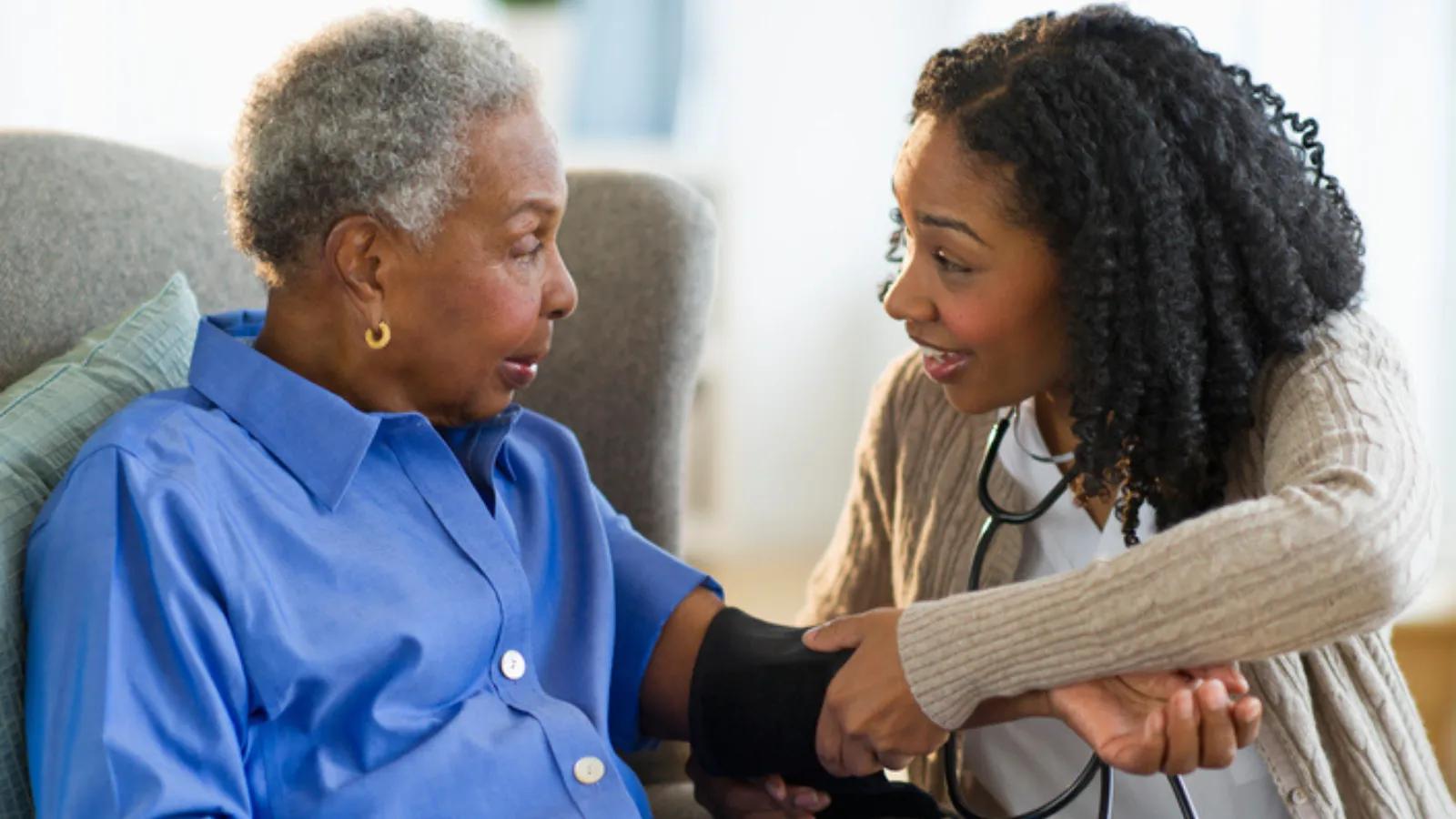
A Private Nurse at Home can provide ongoing nursing assistance for people who need regular support because of chronic illnesses, disabilities, age-related changes, or long-term recovery needs. Receiving professional care at home allows patients to remain in familiar surroundings while getting help with prescribed treatments, personal care, and daily health management. A suitable care plan can also help families organize responsibilities and better understand their loved one's needs.
For patients who need medical guidance alongside regular nursing support, Doctor At Home In Dubai services can offer a convenient way to arrange an assessment at home. A doctor can review ongoing symptoms, evaluate changes in health, and recommend appropriate treatment or follow-up care. Coordinating medical consultations with home nursing can help ensure that long-term care remains aligned with the patient's clinical needs.
What Is Long-Term Nursing Care at Home?
Long-term nursing care provides ongoing assistance to people whose medical or personal care needs continue over an extended period. The duration and type of support vary depending on the patient's condition, level of independence, and treatment requirements.
Some patients need help with medication routines and regular health monitoring, while others require wound care, mobility assistance, or support with daily activities. A qualified nurse provides appropriate services according to an individualized care plan and professional scope of practice.
Personalized Care for Individual Needs
Long-term care should reflect the patient's medical history, daily routine, personal preferences, and changing abilities. A nurse can follow the agreed plan and communicate relevant observations to the treating healthcare professional.
Regular reviews help families identify when the patient's needs change and whether the existing level of care remains appropriate.
Maintaining Consistency in Care
Patients with ongoing health conditions may benefit from a predictable routine. Consistent nursing support can help organize prescribed treatments, personal care, and monitoring activities.
Clear documentation and communication among nurses, family members, and clinicians are particularly important when several people contribute to the patient's care.
Who Can Benefit From a Private Nurse at Home?
A Private Nurse at Home may be suitable for people whose health conditions require ongoing nursing assistance.
Older Adults With Continuing Care Needs
Some older adults experience reduced mobility, balance difficulties, or challenges with everyday tasks. A nurse can assist with personal hygiene, safe movement, and prescribed care while encouraging independence wherever possible.
The goal is to support the person's abilities without unnecessarily limiting their choices or daily activities.
Patients With Chronic Illnesses
People living with diabetes, cardiovascular disease, respiratory conditions, or other chronic illnesses may need regular monitoring and assistance with prescribed treatments.
Depending on the care plan, a nurse may check relevant health measurements, observe symptoms, and communicate changes to the treating clinician. Nursing care complements medical management rather than replacing regular consultations.
Patients With Disabilities or Limited Mobility
Some individuals need ongoing support with transfers, positioning, personal hygiene, or skin care. Appropriate assistance can help maintain comfort and reduce avoidable risks associated with immobility.
The care plan should account for the patient's physical abilities, equipment needs, and any restrictions recommended by their healthcare team.
Essential Services in Long-Term Home Nursing
Medication Assistance
Managing multiple prescriptions over time can be challenging. A qualified nurse may support medication administration when authorized, follow the prescribed schedule, and document relevant observations.
Patients and families should maintain an updated medication list and report suspected side effects to the healthcare professional. Changes to medication should only be made with appropriate medical guidance.
Health Monitoring
Depending on clinical needs, nursing care may include monitoring vital signs, blood glucose, oxygen saturation, or other relevant measurements. The frequency of monitoring should follow the patient's care plan.
Unexpected changes should be communicated promptly. Severe breathing difficulties, chest pain, sudden weakness, or loss of consciousness require immediate emergency assistance.
Wound and Skin Care
Patients with limited mobility or certain medical conditions may need ongoing wound care and skin observation. A nurse can provide prescribed dressing changes, monitor the wound, and follow guidance for pressure injury prevention.
New wounds, worsening redness, swelling, unusual discharge, or increasing pain should receive appropriate medical assessment, particularly in patients with diabetes or poor circulation.
Personal Care and Daily Assistance
Some patients need help bathing, dressing, eating, or moving safely around the home. A nurse can assist with these activities while respecting privacy and supporting independence.
Daily care should be delivered in a way that reflects the patient's preferences and promotes dignity.
Benefits of Long-Term Nursing Care at Home
Familiar Surroundings
Remaining at home can allow patients to maintain familiar routines and stay close to family members. Home nursing can make ongoing assistance more convenient for people who find frequent travel difficult.
However, certain procedures and assessments still require a clinic or hospital, depending on the patient's condition.
Support for Family Caregivers
Long-term caregiving can be physically and emotionally demanding. Professional nursing assistance can help families manage clinical responsibilities and understand the care their loved one requires.
Clear communication also helps relatives know which tasks they can safely perform and when professional assistance is necessary.
Flexible Care Arrangements
The required level of support can range from scheduled visits to extended or overnight nursing shifts. The appropriate arrangement depends on clinical needs, safety considerations, and the availability of other caregivers.
Care schedules should be reviewed when the patient's condition or independence changes.
How to Choose the Right Long-Term Nursing Provider
Check Qualifications and Licensing
Confirm that the nurse has the required qualifications and professional licensing for the services being provided. If specialized procedures are needed, ask about relevant training and experience.
Develop a Clear Care Plan
Share the patient's medical history, allergies, medications, mobility needs, and treatment instructions. The plan should explain the expected services, monitoring requirements, documentation, and process for reporting concerns.
Review Care Quality Regularly
Long-term care needs can change over time. Families should communicate regularly with the nurse and treating clinician to discuss progress, difficulties, and any adjustments required.
It is also helpful to clarify staff handovers, backup arrangements, and emergency procedures before care begins.
Creating a Supportive Home Environment
A safe home environment can make ongoing nursing care easier. Keep frequently used items accessible, remove trip hazards, and ensure adequate lighting in hallways and bathrooms.
Depending on the patient's needs, suitable mobility aids, grab bars, or pressure-relieving equipment may be recommended by a healthcare professional. Keep medical documents, medication lists, and emergency contact information organized for authorized caregivers.
Patients should remain involved in decisions about their routines and preferences whenever possible. Respecting these choices helps maintain dignity throughout long-term care.
Conclusion
A Private Nurse at Home can provide ongoing support for patients who need regular medical assistance, personal care, or monitoring over an extended period. With an individualized care plan, qualified nursing professionals, and communication with the healthcare team, long-term home nursing can help patients manage daily needs in familiar surroundings.
Choosing a provider based on the patient's actual requirements helps families establish a practical care arrangement that prioritizes safety, comfort, dignity, and continuity of care.