

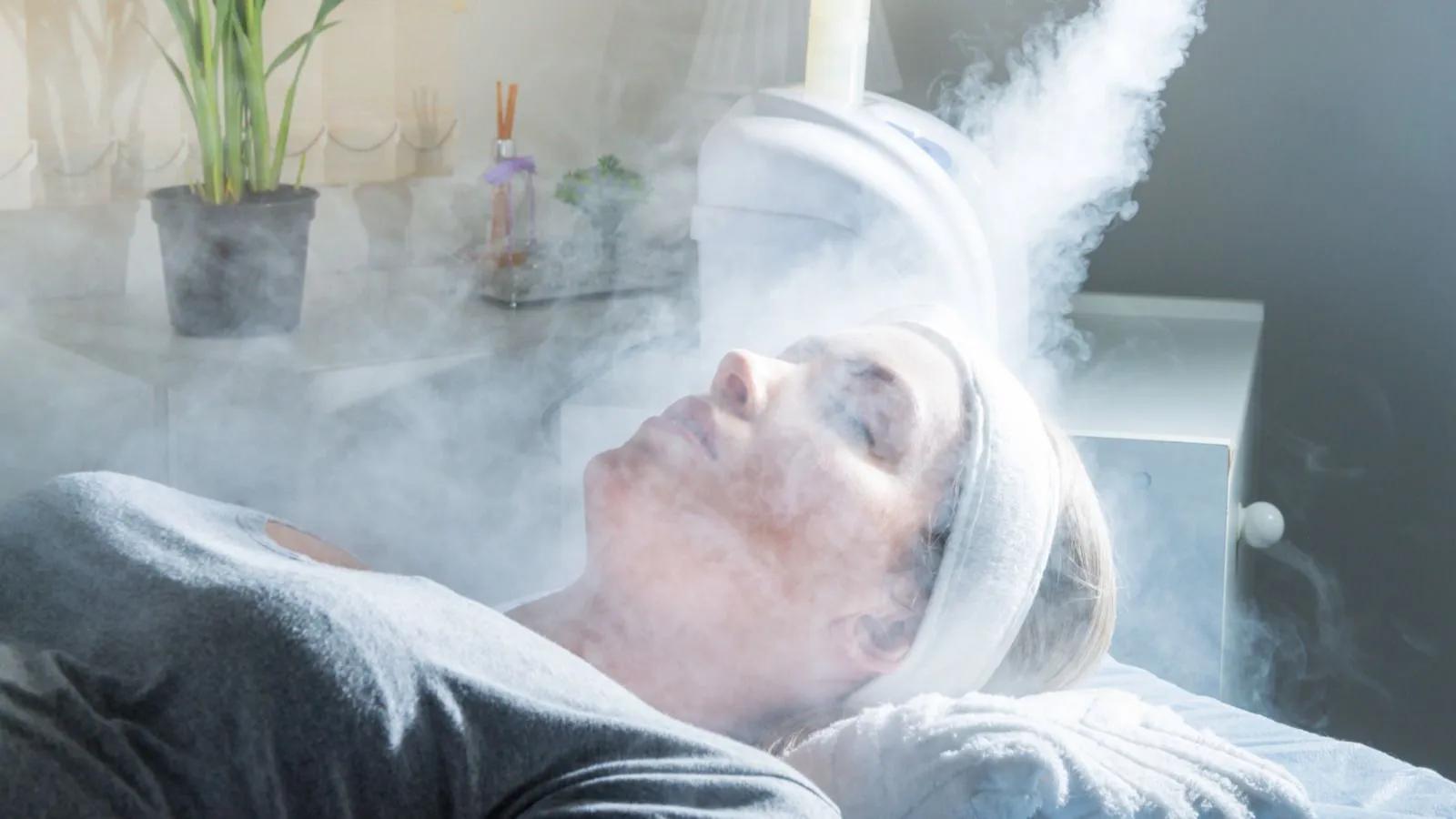
Oxygen Therapy At Home can provide essential respiratory support for patients who have been medically advised to receive supplemental oxygen. Professional home-based care can make it easier for patients to follow their prescribed treatment while remaining in a familiar environment. With appropriate equipment, medical guidance, and safety measures, oxygen therapy can become a manageable part of an individual's ongoing healthcare routine.
Patients who require additional medical supervision can also access Doctor at home in Dubai services for assessment, follow-up, and professional healthcare guidance in their own surroundings. Home-based medical support can be particularly convenient for patients who find traveling to healthcare facilities challenging.
What Is Oxygen Therapy At Home?
Oxygen therapy is a medical treatment that supplies additional oxygen to patients who require respiratory support. A qualified healthcare professional may recommend supplemental oxygen after evaluating a patient's oxygen levels, symptoms, medical history, and overall condition.
Oxygen Therapy At Home allows patients to receive prescribed oxygen outside a hospital or clinic. Oxygen can be delivered through equipment such as a nasal cannula, oxygen mask, concentrator, or oxygen cylinder, depending on the patient's individual requirements.
The prescribed oxygen flow rate and duration of use should always come from a healthcare professional. Patients should not independently change their treatment settings.
Why Professional Support Matters
Managing oxygen equipment may seem straightforward, but professional guidance can help patients understand how their treatment should be used. Healthcare professionals can explain the prescribed oxygen schedule, equipment requirements, safety precautions, and situations that may require further medical attention.
Professional support can also help patients and caregivers feel more confident when beginning home oxygen care. Clear instructions can reduce confusion and help establish a consistent routine.
Because every patient has different respiratory needs, professional assessment is an important part of responsible oxygen therapy.
How Home Oxygen Supports Patients
Home-based oxygen therapy can make prescribed respiratory care more convenient. Patients can follow their treatment plan in a familiar setting without necessarily needing to travel for every period of oxygen use.
This can be especially useful for individuals with limited mobility, fatigue, or ongoing respiratory requirements. Staying at home may also allow family members or caregivers to remain nearby and provide practical assistance.
However, home oxygen therapy should remain part of a broader medical care plan. Patients should continue recommended follow-up and communicate any significant changes in their condition.
Types of Oxygen Equipment
Different oxygen systems may be used according to individual medical needs. Oxygen concentrators can extract oxygen from surrounding air and deliver it to the patient through appropriate tubing. Oxygen cylinders store oxygen and can provide a supply according to the prescribed treatment plan.
Portable oxygen systems may be suitable for some patients who have been medically advised to remain mobile while using supplemental oxygen.
The appropriate equipment depends on the patient's oxygen requirements, treatment schedule, mobility, and professional recommendations. Patients and caregivers should receive proper instructions before operating any oxygen device.
Creating a Professional Home Care Setup
A well-organized environment can make Oxygen Therapy At Home easier to manage. Equipment should be placed in an appropriate location according to manufacturer instructions and professional guidance.
The area around the equipment should remain clear, while oxygen tubing should be positioned carefully to minimize the risk of tripping. Patients should also keep oxygen equipment away from excessive heat and ignition sources.
Having a designated area for respiratory equipment can help patients and caregivers keep necessary supplies organized and accessible.
Oxygen Safety at Home
Safety is one of the most important aspects of home oxygen care. Oxygen supports combustion, which means fires can burn more intensely when oxygen is present.
Patients should keep oxygen equipment away from cigarettes, candles, fireplaces, gas flames, and other sources of ignition. Smoking near oxygen equipment can create a serious fire hazard.
Household members and visitors should understand the safety precautions as well. Everyone involved in the patient's care should know that oxygen equipment requires careful handling.
Following the Prescribed Oxygen Flow
Patients should use oxygen at the flow rate and for the duration recommended by their healthcare professional. Increasing the flow rate independently does not necessarily provide better results and may create unnecessary risks.
If a patient feels that the oxygen supply is insufficient or experiences continued breathing difficulties, they should contact their healthcare provider rather than changing the settings themselves.
Similarly, prescribed oxygen should not be discontinued without professional advice, even if the patient begins to feel better.
Comfort During Home Oxygen Therapy
Comfort can be an important part of maintaining a regular oxygen routine. Patients should use their nasal cannula, mask, or other delivery equipment according to professional instructions.
If the equipment causes persistent irritation or discomfort, the patient should discuss the problem with a healthcare professional. Proper positioning or an alternative solution may be available depending on the circumstances.
A comfortable resting area can also make it easier for patients to follow their treatment schedule and get appropriate rest.
Supporting Patients and Caregivers
Professional home oxygen care can involve both patients and caregivers. Family members may assist with equipment organization, safety precautions, and maintaining the prescribed treatment routine.
Caregivers should understand the basic operation of the equipment and know when to contact a healthcare professional. They can also help patients communicate changes in symptoms during follow-up appointments.
Good communication between patients, caregivers, and healthcare professionals can make home respiratory care more organized and reliable.
Importance of Regular Monitoring
Professional monitoring remains important even when oxygen therapy is provided at home. Healthcare professionals may review oxygen levels, symptoms, treatment response, and changes in the patient's overall condition.
A patient's oxygen requirements can change over time. Regular assessments can help determine whether the existing treatment plan continues to meet the patient's needs.
Patients should follow recommended appointments and avoid making changes to oxygen therapy without professional guidance.
Recognizing When Medical Attention Is Needed
Home oxygen equipment provides prescribed respiratory support, but it is not a replacement for emergency medical care. Patients experiencing severe breathing difficulty, chest pain, fainting, confusion, or bluish discoloration of the lips or skin may require urgent medical attention.
If serious symptoms occur, appropriate emergency medical assistance should be sought promptly. Patients should not rely on changing their oxygen settings as an alternative to professional evaluation.
Making Home Oxygen Care More Manageable
A consistent routine can make Oxygen Therapy At Home easier for patients and caregivers. Keeping equipment organized, following prescribed instructions, maintaining safety precautions, and attending regular medical follow-ups can support responsible home care.
Professional guidance can also help patients understand their treatment and use their equipment correctly. When questions or concerns arise, speaking with a qualified healthcare professional is preferable to making independent changes.
Conclusion
Oxygen Therapy At Home can provide convenient respiratory support for patients who require prescribed supplemental oxygen. Professional guidance can help patients understand their treatment, operate equipment correctly, maintain safety, and recognize when further medical attention is needed. A suitable home environment, caregiver assistance, regular monitoring, and adherence to the prescribed oxygen plan are important components of responsible home oxygen care. With appropriate professional support, patients can incorporate prescribed oxygen therapy into their daily routines while maintaining comfort and safety.