

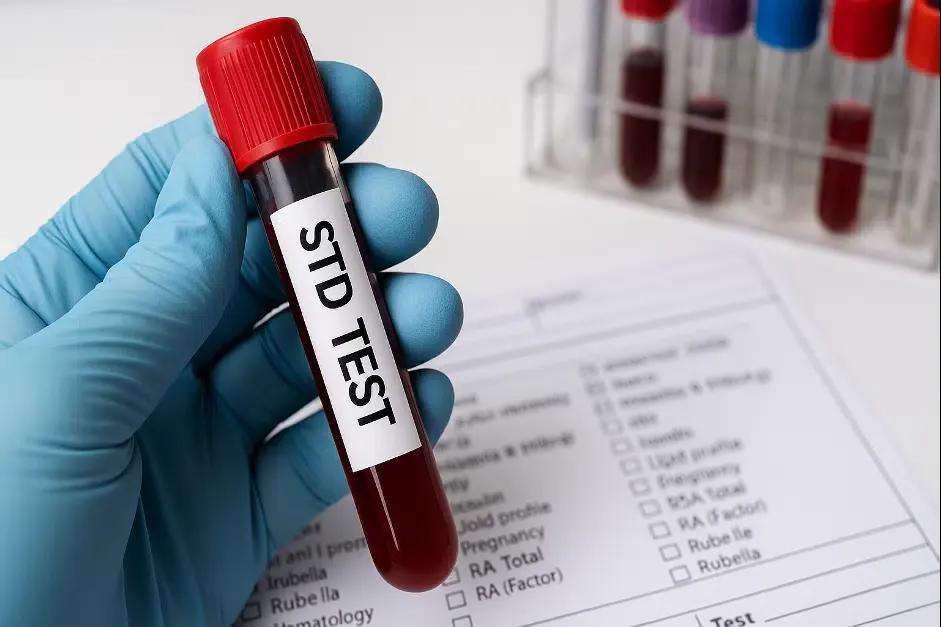
Preparing for a sexual health screening can help make the process easier and more comfortable. Getting an STD Test In Dubai is an important step toward understanding your sexual health, identifying possible infections, and receiving appropriate medical advice. Whether you need a blood test, urine test, or swab, knowing what to expect before your appointment can help you feel more confident. Preparation requirements may vary depending on the infection being investigated, so following professional instructions is essential for obtaining useful and reliable results.
If you prefer convenient healthcare arrangements, Doctor At Home In Dubai services may offer professional consultations and sample collection at your residence, depending on the provider's available testing facilities. This option can make healthcare more accessible for individuals who prefer privacy and flexibility.
Why Is Preparation Important Before an STD Test?
Preparing before screening helps ensure that the correct samples are collected and that the laboratory receives suitable material for analysis.
Different sexually transmitted infections require different testing methods. For example, HIV and syphilis are commonly investigated through blood tests, while chlamydia and gonorrhea may be detected through urine samples or swabs.
Some tests also have specific preparation requirements. Following these instructions can help prevent avoidable sample collection problems.
An STD Test should always be performed according to the recommendations of a qualified healthcare professional.
1. Understand Which STD Tests You Need
Before your appointment, understand which infections your healthcare provider recommends screening for.
A general sexual health screening may include different tests depending on your medical history and possible exposure.
Blood Tests
Blood samples are commonly used to screen for HIV and syphilis. Specific blood tests may also be recommended for hepatitis B and hepatitis C.
Most routine STI blood tests do not require fasting. However, if your appointment includes other laboratory investigations, ask whether preparation is necessary.
Urine Tests
Urine testing is frequently used to identify bacterial infections such as chlamydia and gonorrhea.
For some tests, a first-catch urine sample is preferred. Your laboratory may also ask you not to urinate for a specified period before sample collection.
Swab Tests
Swab testing may involve collecting samples from the genital area, throat, rectum, or an active sore.
The correct sample location depends on your symptoms and possible exposure. Follow the healthcare professional's instructions before collection.
2. Share Your Medical and Sexual Health History
Providing accurate information during your consultation helps the healthcare professional recommend appropriate screening.
You may be asked about:
Any recent unprotected sexual contact.
New or multiple sexual partners.
Previous sexually transmitted infections.
Current symptoms or unusual physical changes.
Previous STD screening results.
Medication or recent antibiotic treatment.
These questions are part of routine medical assessment. Their purpose is to understand your circumstances and select suitable tests.
You should also mention if a partner has recently received a positive STI diagnosis.
3. Understand the Testing Window Period
One of the most important things to understand before an STD Test In Dubai is the testing window period.
The window period refers to the time between possible exposure and when a particular test can reliably detect an infection.
Testing immediately after exposure may produce a negative result even when an infection is developing.
For example, different HIV tests have different detection windows. Laboratory antigen/antibody tests and antibody-only tests do not detect infection at exactly the same time.
Your healthcare professional can recommend the appropriate testing schedule and whether repeat screening is necessary.
If you may have been exposed to HIV within the last 72 hours, seek urgent medical attention to discuss post-exposure prophylaxis (PEP). Do not wait for a routine screening appointment.
4. Follow Sample Collection Instructions
Different sample types have different preparation requirements. Following the instructions carefully can help ensure proper collection.
Before a Blood Sample
Most routine STI blood tests do not require fasting. However, ask your healthcare provider if other tests are included in your appointment.
Wear comfortable clothing that allows easy access to your arm for sample collection.
Before a Urine Sample
Your healthcare provider may recommend avoiding urination for a certain period before collection.
You may also be asked to provide the first portion of your urine stream rather than a midstream sample.
Do not assume that every urine test has identical requirements. Follow the laboratory's instructions.
Before a Swab Sample
Tell your healthcare professional about any creams, medication, or recent treatment used around the affected area.
If you have sores, blisters, or unusual discharge, mention these symptoms before sample collection. A swab from an active lesion may be useful for investigating certain infections.
5. Avoid Self-Medicating Before Testing
Taking antibiotics or other medication without medical advice is not recommended when you suspect an STI.
Incorrect medication may fail to treat the infection, cause side effects, and contribute to antibiotic resistance.
If you are already taking prescribed medication, inform your healthcare professional before testing. Do not stop an existing treatment without medical guidance.
The healthcare provider can decide whether your medication affects the testing plan or interpretation of results.
6. Prepare Questions for Your Healthcare Provider
Your appointment is a good opportunity to understand your sexual health and ask questions.
Consider discussing:
Which infections are included in the screening?
Do I need blood, urine, or swab testing?
Is the testing time appropriate after possible exposure?
When will the results be available?
Will repeat testing be necessary?
What happens if a result is positive?
How is my medical information protected?
Asking questions can help you understand the process and make informed decisions.
What Happens During an STD Testing Appointment?
Most screening appointments follow a straightforward process.
Initial Consultation
The healthcare professional reviews your medical history, symptoms, and possible exposure. They then recommend suitable tests.
Sample Collection
Depending on the screening plan, a blood sample, urine sample, or swab may be collected.
Laboratory Analysis
The samples are sent to an appropriate laboratory for examination. Testing methods vary depending on the suspected infection.
Receiving Your Results
Results may be available within a few days or longer, depending on the laboratory and test type.
A healthcare professional should explain the findings and recommend further testing or treatment if required.
Is Home Sample Collection Available for STD Testing?
Some healthcare providers offer home sample collection for selected sexual health tests.
This option may be useful for individuals who prefer a convenient appointment without travelling to a clinic. However, not every infection or sample type can necessarily be assessed through every home collection service.
Before booking, confirm that qualified professionals collect the samples, an appropriate laboratory processes them, and secure procedures are used to communicate results.
If you are considering Doctor At Home In Dubai, ask whether the provider offers the specific screening tests you need and whether a follow-up consultation is available.
What Should You Do After Completing the Test?
After sample collection, follow any instructions provided by your healthcare professional.
Avoid assuming that a negative result always rules out infection, particularly if testing occurred during the window period.
If your result is positive, arrange a consultation to discuss treatment and partner testing where appropriate.
Continue following recommended screening schedules, even if you feel healthy and do not notice symptoms.
Make Your STD Screening Experience Easier
Preparing for sexual health screening does not need to be complicated. Understanding the required tests, sharing accurate medical information, following sample collection instructions, and choosing the correct testing time can make the process more effective.
A professional STD Test helps identify certain infections and supports informed healthcare decisions. If you are planning to get tested, consult a qualified healthcare professional about the most suitable screening options.
Taking a proactive approach to sexual health can help you identify concerns early, receive appropriate care, and protect your long-term well-being.