

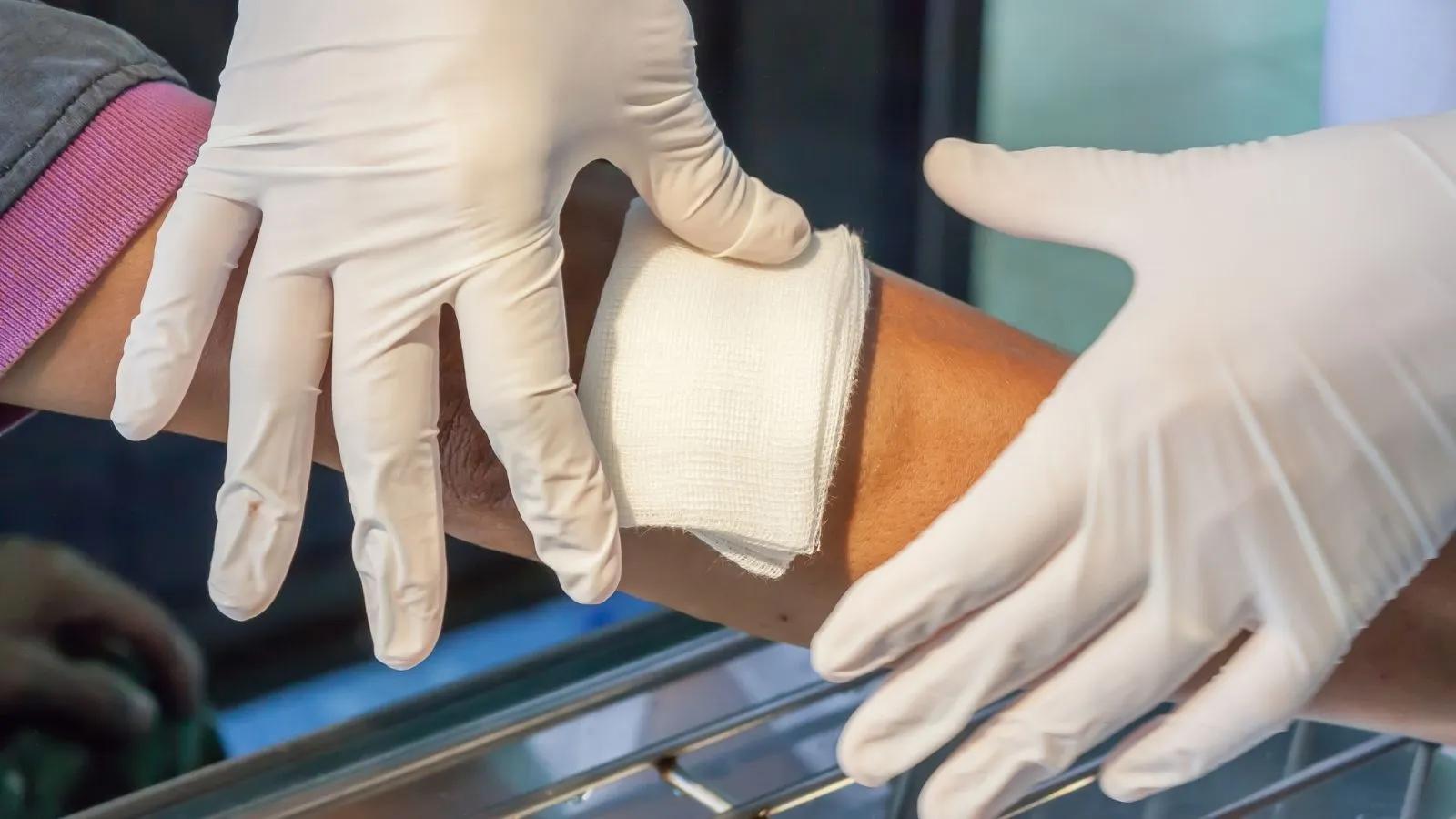
Wound Dressing at Home can help patients care for surgical incisions after an operation while recovering in a familiar and comfortable environment. Proper wound care protects the incision, manages drainage when necessary, and helps patients recognize changes that may require medical attention. Following the surgeon's instructions is essential because dressing requirements vary depending on the procedure, incision location, and individual healing process.
Doctor At Home In Dubai services can provide convenient medical support for patients who have difficulty travelling after surgery. Depending on the patient's needs, a qualified healthcare professional can assess the incision, assist with dressing changes, explain hygiene practices, and advise when further medical review is necessary.
Why Wound Dressing at Home Matters After Surgery
After an operation, the skin and underlying tissues need time to heal. During this period, the incision may be sensitive and require protection from friction, contamination, and excessive moisture. A suitable dressing can help protect the surgical site and manage drainage according to the treatment plan.
Professional wound dressing at home can also help patients follow the correct dressing schedule and avoid unnecessary handling of the incision. This is particularly useful for older adults, patients with limited mobility, and people recovering from procedures that make travelling uncomfortable.
However, not every surgical incision requires ongoing dressing. Some wounds can be left uncovered after the initial dressing is removed, depending on the surgeon's instructions. Patients should not change their care routine without appropriate guidance.
Preparing for Surgical Dressing Changes
Follow the Surgeon's Instructions
Before changing a surgical dressing, patients and caregivers should understand when the dressing should be removed, whether the incision needs cleaning, and which replacement materials are appropriate.
Some surgical dressings are designed to remain in place for a specific period. Removing them too early may interfere with the recommended care plan. If the instructions are unclear, contact the surgical team rather than guessing.
Maintain Proper Hand Hygiene
Clean hands are essential when handling surgical dressings. Wash hands thoroughly before and after wound care, and use gloves when indicated by the healthcare professional.
Prepare the necessary supplies on a clean surface before beginning. Avoid touching the part of the dressing that will contact the incision, and dispose of used materials safely after the procedure.
Gather Suitable Dressing Supplies
The supplies required depend on the incision and the treatment plan. Some wounds need a sterile gauze dressing, while others may benefit from a specialized postoperative dressing. Adhesive products should be selected carefully when the surrounding skin is fragile or sensitive.
Avoid applying creams, powders, alcohol, hydrogen peroxide, or other cleaning products unless the treating professional specifically recommends them. Certain products can irritate healing tissue or interfere with recovery.
How Professional Wound Dressing at Home Works
Examination of the Surgical Incision
A qualified healthcare professional examines the incision before carrying out a dressing change. This may include checking the skin edges, surrounding redness, swelling, drainage, discomfort, and any visible changes.
The professional may also ask about fever, increasing pain, medication use, and the patient's general recovery. These details help determine whether routine wound care is appropriate or whether further medical assessment is needed.
Cleaning and Replacing the Dressing
When a dressing change is required, the professional removes the existing dressing carefully and follows the recommended cleaning procedure. A suitable replacement is then applied according to the incision's condition and the surgeon's instructions.
Not every incision needs the same cleaning method or dressing material. The goal is to protect the surgical site without causing unnecessary irritation or disturbing healing tissue.
Monitoring Recovery
During follow-up visits, the professional checks whether the incision appears to be healing as expected. Changes in drainage, pain, swelling, or wound edges may indicate that the treatment plan needs review.
Professional monitoring can be especially valuable for patients recovering at home without easy access to routine clinic visits. However, concerning symptoms should never be left until the next scheduled appointment.
Common Mistakes to Avoid After Surgery
One common mistake is removing a dressing too soon or changing it more frequently than instructed. Unnecessary handling can irritate the surrounding skin and interfere with the prescribed care routine.
Another mistake is touching the incision with unwashed hands or using unclean materials. Patients should also avoid scrubbing the wound, picking at scabs, or pulling at surgical glue or adhesive strips.
Keeping the incision excessively wet can cause problems, but patients should not assume that every surgical wound must remain completely dry indefinitely. Showering and bathing instructions vary by procedure and dressing type, so the surgeon's advice should take priority.
Patients should not remove stitches, staples, or other wound-closure materials themselves unless specifically instructed by an appropriately qualified professional. Any unexpected separation of the incision should be assessed promptly.
Signs of Surgical Wound Infection
Recognizing possible complications early is an important part of postoperative care. Warning signs may include increasing redness, warmth, swelling, worsening pain, pus-like drainage, or an unpleasant new smell from the wound.
A fever, chills, or an incision that begins opening may also require prompt medical assessment. If redness spreads rapidly, pain becomes severe, or the patient feels seriously unwell, seek urgent medical care.
A small amount of drainage may occur with some surgical wounds, depending on the procedure. However, new, increasing, or unusual drainage should be discussed with the treating healthcare professional rather than assumed to be normal.
Supporting Surgical Wound Healing at Home
Maintain a Clean Recovery Environment
Keep the patient's bedding and clothing clean, and avoid unnecessary friction against the incision. Caregivers should help the patient move safely without pulling or straining the affected area.
The amount of movement that is appropriate depends on the surgery. Following activity restrictions and attending recommended follow-up appointments can help identify problems during recovery.
Support Nutrition and Hydration
Adequate nutrition provides the body with energy and nutrients needed for tissue repair. Patients should aim to follow a balanced diet that meets their medical needs and maintain appropriate hydration unless they have been given fluid restrictions.
People with diabetes should follow their treatment plan because blood glucose management can influence wound healing. Patients with poor appetite, significant weight loss, or other concerns should ask their healthcare professional for advice.
Take Prescribed Medicines Correctly
Patients should use prescribed medicines according to their instructions and avoid starting antibiotics or applying topical treatments without medical guidance. Antibiotics are not routinely needed for every surgical incision, and inappropriate use can cause harm.
If pain increases despite the prescribed treatment, or the incision changes unexpectedly, contact the treating clinician for assessment.
Who Can Benefit From Home Surgical Wound Care?
Home wound care may be useful for patients recovering from abdominal surgery, orthopedic procedures, minor operations, or other interventions that require dressing changes. It can also support people who have difficulty travelling because of pain, weakness, age, or limited mobility.
The appropriate level of care depends on the procedure and the patient's condition. Some incisions require only basic instructions, while others need regular professional assessment or specialist follow-up.
A home visit should not replace emergency treatment when serious complications are suspected.
Choosing a Reliable Home Wound Dressing Service
When selecting a provider, check that the professional has appropriate qualifications and experience with postoperative wound care. Ask how the incision will be assessed, which supplies may be needed, and how follow-up visits are arranged.
The provider should explain the dressing procedure clearly, follow appropriate infection-control practices, and communicate when the surgical team needs to be involved. Patients should also receive clear instructions about warning signs and whom to contact if their condition changes.
Conclusion
Wound Dressing at Home for Surgical Incisions can make postoperative care more convenient while helping patients follow the recommended treatment plan. Proper hygiene, appropriate dressing changes, careful monitoring, and adherence to the surgeon's instructions all contribute to safer recovery.
Every surgical wound heals differently, so care should be tailored to the procedure and the patient's medical needs. With qualified professional support and timely attention to warning signs, patients can manage their recovery at home while knowing when further medical care is necessary.